• Published on: Aug 02, 2024
  • 3 minute read
  • By: SecondMedic Expert

Type 1 Diabetes: A Comprehensive Guide For Patients And Caregivers

  • WhatsApp share link icon
  • copy & share link icon
  • twitter share link icon
  • facebook share link icon

Type 1 diabetes is a chronic condition where the pancreas produces little or no insulin. Insulin is a hormone that allows sugar (glucose) to enter cells to produce energy. This guide aims to provide a comprehensive understanding of Type 1 diabetes for patients and caregivers, covering causes, symptoms, management, and lifestyle tips.

Understanding Type 1 Diabetes

What is Type 1 Diabetes?

Type 1 diabetes, also known as juvenile diabetes or insulin-dependent diabetes, is a condition in which the immune system mistakenly attacks and destroys the insulin-producing beta cells in the pancreas. Without insulin, blood sugar levels rise, leading to hyperglycemia. This condition is usually diagnosed in children and young adults, though it can develop at any age.

Causes of Type 1 Diabetes

The exact cause of Type 1 diabetes is unknown, but it is believed to involve a combination of genetic and environmental factors. Here are some key factors:

1. Genetics: A family history of Type 1 diabetes increases the risk.

2. Autoimmune Response: The immune system mistakenly attacks the pancreatic beta cells.

3. Environmental Factors: Certain viruses or other environmental triggers may contribute to the development of Type 1 diabetes.

Symptoms of Type 1 Diabetes

Symptoms can develop quickly, often over a few weeks. Common symptoms include:

Increased Thirst and Frequent Urination: High blood sugar levels cause excess glucose in the urine, pulling more water out of the body.

Extreme Hunger: Without enough insulin, muscles and organs become energy-deprived.

Weight Loss: Despite eating more, the body loses muscle mass and fat due to the inability to absorb glucose.

Fatigue: Lack of glucose in cells can make you feel tired and weak.

Blurred Vision: High blood sugar levels can cause fluid to be pulled from the lenses of the eyes.

Slow-Healing Sores: Poor blood circulation and immune function can slow the healing process.

Managing Type 1 Diabetes

Effective management of Type 1 diabetes involves monitoring blood sugar levels, taking insulin, and making lifestyle adjustments. Here are the essential components:

Blood Sugar Monitoring

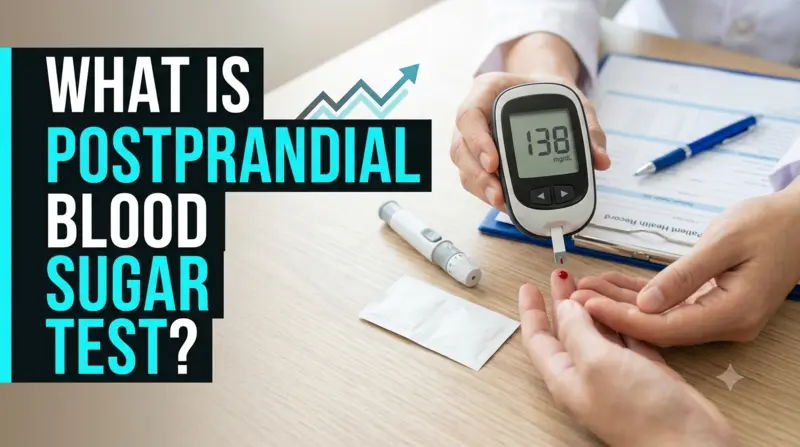
Regular monitoring of blood sugar levels is crucial. Patients should check their blood sugar several times a day using a glucose meter or continuous glucose monitor (CGM). Keeping a log of these readings helps in adjusting insulin doses and managing diet and exercise.

Insulin Therapy

Since the body cannot produce insulin, patients need to take insulin to manage their blood sugar levels. There are several types of insulin:

Rapid-Acting Insulin: Works quickly and is taken before meals.

Short-Acting Insulin: Taken before meals but works more slowly than rapid-acting insulin.

Intermediate-Acting Insulin: Taken twice a day and covers insulin needs for about half a day.

Long-Acting Insulin: Provides a steady amount of insulin for the entire day.

Insulin can be administered through injections or an insulin pump. The method and type of insulin used depend on individual needs and lifestyle.

Diet and Nutrition

A healthy diet is vital for managing Type 1 diabetes. Here are some tips:

Balanced Meals: Include a mix of carbohydrates, proteins, and fats.

Carbohydrate Counting: Helps in determining the amount of insulin needed for meals.

Regular Eating Schedule: Helps in maintaining stable blood sugar levels.

Healthy Snacks: Prevents blood sugar dips between meals.

Exercise

Regular physical activity helps in managing blood sugar levels and overall health. It is essential to monitor blood sugar levels before, during, and after exercise to avoid hypoglycemia (low blood sugar). Patients should carry a source of fast-acting carbohydrate, like glucose tablets, to treat low blood sugar.

Managing Stress

Stress can affect blood sugar levels. Techniques such as deep breathing, meditation, yoga, and hobbies can help in managing stress.

Regular Medical Check-ups

Regular visits to a healthcare provider are crucial. These visits help in:

Monitoring Blood Sugar Control: Through HbA1c tests, which provide an average blood sugar level over three months.

Checking for Complications: Such as eye, kidney, and nerve damage.

Adjusting Treatment Plans: Based on blood sugar control and lifestyle changes.

Living with Type 1 Diabetes

Living with Type 1 diabetes requires constant management and attention. However, with the right tools and support, patients can lead healthy and fulfilling lives. Here are some tips:

Building a Support System

Having a strong support system is essential. Family, friends, and healthcare providers can offer emotional support and practical help. Joining a support group can also provide valuable insights and shared experiences.

Educating Yourself and Others

Knowledge is power. Patients and caregivers should educate themselves about Type 1 diabetes and its management. Educating others helps in creating a supportive environment and can make daily management easier.

Preparing for Emergencies

Having a plan for emergencies is crucial. Patients should carry identification that states they have Type 1 diabetes. They should also keep a supply of insulin, blood sugar monitoring equipment, and a source of fast-acting carbohydrate.

Traveling with Type 1 Diabetes

Traveling requires extra planning. Here are some tips:

Carry Supplies: Pack more insulin and supplies than you think you'll need.

Medical Alert: Wear a medical alert bracelet or carry an identification card.

Time Zone Changes: Adjust insulin schedule according to time zone changes.

Healthy Snacks: Carry healthy snacks to manage blood sugar levels during travel.

Support for Caregivers

Caregivers play a vital role in the management of Type 1 diabetes. Here are some tips for caregivers:

Understanding the Condition

Learning about Type 1 diabetes and its management helps in providing better care and support.

Providing Emotional Support

Living with Type 1 diabetes can be challenging. Offering emotional support and understanding can make a significant difference.

Helping with Daily Management

Assisting with blood sugar monitoring, meal planning, and insulin administration can help in managing the condition effectively.

Encouraging Independence

Encouraging patients, especially children and teenagers, to take an active role in their diabetes management fosters independence and confidence.

Conclusion

Type 1 diabetes is a manageable condition with the right approach and support. Regular blood sugar monitoring, insulin therapy, a balanced diet, and regular exercise are key components of effective management. With education, planning, and a strong support system, patients and caregivers can navigate the challenges of Type 1 diabetes and lead healthy, fulfilling lives.


Read FAQs


A. Early symptoms of Type 1 diabetes include increased thirst, frequent urination, extreme hunger, unexplained weight loss, fatigue, and blurred vision. If you notice these symptoms, it’s important to consult a healthcare provider for proper diagnosis and treatment.

A. Type 1 diabetes is an autoimmune condition where the body's immune system attacks the insulin-producing cells in the pancreas, requiring patients to take insulin daily. Type 2 diabetes, on the other hand, typically develops due to insulin resistance and lifestyle factors, and it can often be managed with diet, exercise, and oral medications.

A. Key lifestyle changes for managing Type 1 diabetes include regular blood sugar monitoring, adhering to a balanced diet with controlled carbohydrate intake, maintaining a consistent exercise routine, managing stress, and ensuring regular medical check-ups to monitor and adjust treatment as needed.

Read Blog
Sleep disorders

Sleep Disorder Treatment: Effective Ways to Restore Healthy Sleep

Sleep is a fundamental biological process essential for physical restoration, mental clarity and emotional balance. Despite its importance, sleep disorders are increasingly common across all age groups. Millions of people struggle with poor sleep quality, difficulty falling asleep or frequent nighttime awakenings, often without seeking help.

Effective sleep disorder treatment plays a critical role in restoring healthy sleep patterns and preventing long-term health complications.


Understanding Sleep Disorders

Sleep disorders are conditions that disrupt normal sleep patterns, affecting the ability to fall asleep, stay asleep or achieve restorative sleep. They can be short-term or chronic and may occur due to lifestyle factors, medical conditions or psychological stress.

According to global and Indian health data, sleep disorders are underdiagnosed despite their strong association with chronic diseases.


Common Types of Sleep Disorders

Insomnia

Insomnia is the most common sleep disorder.

It involves:

  • difficulty falling asleep
     

  • frequent awakenings
     

  • early morning waking
     

  • non-restorative sleep
     

Chronic insomnia significantly affects daily functioning.


Sleep Apnea

Sleep apnea is a serious condition where breathing repeatedly stops during sleep.

Symptoms include:

  • loud snoring
     

  • daytime sleepiness
     

  • morning headaches
     

Untreated sleep apnea increases cardiovascular risk.


Restless Leg Syndrome

This condition causes uncomfortable leg sensations and an urge to move the legs, especially at night.

It disrupts sleep continuity and quality.


Circadian Rhythm Disorders

These occur when the body’s internal clock is misaligned with daily schedules, common in shift workers and frequent travellers.


Why Sleep Disorders Should Not Be Ignored

Chronic sleep problems increase the risk of:

  • heart disease
     

  • hypertension
     

  • diabetes
     

  • obesity
     

  • depression and anxiety
     

  • reduced immunity
     

Poor sleep affects both physical and mental health.


Causes of Sleep Disorders

Sleep disorders often result from multiple factors, including:

  • chronic stress
     

  • irregular sleep schedules
     

  • excessive screen exposure
     

  • caffeine or alcohol use
     

  • medical conditions
     

  • mental health disorders
     

Identifying root causes is essential for effective treatment.


Diagnosis of Sleep Disorders

Diagnosis involves:

  • detailed sleep history
     

  • lifestyle assessment
     

  • medical evaluation
     

  • sleep studies in selected cases
     

Accurate diagnosis guides appropriate treatment.


Sleep Disorder Treatment Approaches

Behavioural and Cognitive Therapy

Cognitive Behavioural Therapy for Insomnia (CBT-I) is a highly effective non-drug treatment.

It focuses on:

  • correcting sleep-related thoughts
     

  • improving sleep routines
     

  • reducing anxiety around sleep
     

CBT-I is recommended as first-line treatment for chronic insomnia.


Lifestyle and Sleep Hygiene Measures

Good sleep hygiene includes:

  • maintaining regular sleep timings
     

  • limiting screen exposure before bedtime
     

  • creating a comfortable sleep environment
     

  • avoiding heavy meals late at night
     

These measures support natural sleep regulation.


Medical Management

Medications may be used:

  • short-term for severe symptoms
     

  • under medical supervision
     

Medication is often combined with behavioural therapy rather than used alone.


Treatment for Sleep Apnea

Management may include:

  • weight management
     

  • positional therapy
     

  • continuous positive airway pressure (CPAP) devices
     

  • treating underlying conditions
     

Early treatment reduces cardiovascular risk.


Role of Mental Health in Sleep Disorders

Sleep and mental health are closely connected.

Conditions such as anxiety and depression:

  • disrupt sleep architecture
     

  • worsen insomnia
     

  • require integrated treatment
     

Addressing mental health improves sleep outcomes.


Importance of Consistency in Treatment

Sleep disorder treatment requires:

  • patience
     

  • consistency
     

  • follow-up
     

Improvement may take weeks, but sustained effort yields lasting results.


Preventing Sleep Disorders

Preventive strategies include:

  • stress management
     

  • physical activity
     

  • balanced nutrition
     

  • limiting stimulants
     

  • maintaining work-life balance
     

Prevention is more effective than treatment alone.


Impact of Technology on Sleep

Excessive screen use affects melatonin production and delays sleep onset.

Reducing nighttime screen exposure significantly improves sleep quality.


When to Seek Professional Help

Consult a healthcare provider if:

  • sleep problems persist beyond two weeks
     

  • daytime functioning is affected
     

  • snoring and breathing pauses are noticed
     

  • sleepiness interferes with safety
     

Early treatment prevents complications.


Long-Term Benefits of Treating Sleep Disorders

Effective sleep disorder treatment leads to:

  • improved energy and concentration
     

  • better mood and emotional stability
     

  • reduced chronic disease risk
     

  • enhanced quality of life
     

Healthy sleep supports overall wellbeing.


Conclusion

Sleep disorder treatment is essential for restoring physical health, mental clarity and emotional balance. While sleep problems are common, they are not normal or harmless. Insomnia, sleep apnea and other sleep disorders can be effectively managed through behavioural therapy, lifestyle changes and medical care when needed. Early recognition and consistent treatment not only improve sleep quality but also protect long-term health. Prioritising sleep is a powerful step toward a healthier and more productive life.


References

  • Indian Council of Medical Research (ICMR) – Sleep Health and Lifestyle Studies
  • World Health Organization (WHO) – Sleep and Mental Health Guidelines
  • National Institute of Mental Health and Neurosciences (NIMHANS) – Sleep Disorders Research
  • Lancet Psychiatry – Sleep Disorders and Chronic Disease Risk
  • NITI Aayog – Mental Health and Preventive Healthcare Reports
  • Statista – Global Sleep Disorder Prevalence and Trends

See all

Live Doctor consultation
Live Doctor Chat

Download Our App & Get Consultation from anywhere.

App Download
call icon for mobile number calling and whatsapp at secondmedic