- Published on: Sep 23, 2021
- 4 minute read
- By: Second Medic Expert
Treating Chronic Pain Medications, Relieve Chronic Pain




What Is Pain Management?
Pain management is all about easing the suffering caused by chronic, acute, and cancer pain. Pain management takes on many forms because there are so many factors that can cause or contribute to pain.
Pain management is an important aspect of healthcare and should always involve a doctor or other licensed provider. It differs from pain relief in the sense that pain relief does not necessarily refer to an entire spectrum of care whereas pain management does.
Pain management is the use of medication, therapeutic treatments, psychotherapy, or any other means to relieve pain during its various stages.
Pain management may take place in diverse clinical settings, include analgesic combination treatment with opioids and an adjuvant drug. The initial step of prescribing analgesics for acute pain is important because it can affect whether post-surgical patients will be successfully transitioned back to their pre-surgical functional level at discharge. A 2006 survey found that 43% of adults living with daily chronic pain feel neglected by doctors, nurses, and other healthcare professionals.
Pain awareness is generated by the vast network of nerves that permeate our bodies. When pain neurons are stimulated, they send signals to the brain which, in turn, will produce an effector response. The objective of pain management is to interrupt or inhibit these impulses before they reach their target.
The use of analgesics (pain-numbing medication) gives immediate relief for many types of pain and also lessens sensitivity so that minor stimuli are not felt as acutely as often or at all. Examples include topical analgesics like calamine lotion or alum; non-narcotic medications like acetaminophen; and narcotic medications like codeine (to be used under medical supervision).
Pain management is a risk management strategy used to combat the growing opioid epidemic. Relying on a single treatment option that only masks the pain puts more people at risk of addiction and makes it harder for them to function in everyday life. On the other hand, using more than one method of pain relief may have a synergistic effect - for instance, while medications may suppress acute pain, physical therapy can help patients find ways to avoid future injuries which would add to their chronic pain burden. Considering this, it's often suggested that clinicians coordinate care with individuals, so they have diverse means of managing their pain.
Pain management refers to the treatments available for different people experiencing chronic or acute pain. Pain management can involve medications, physical therapy, massage therapy, meditation, and more. Consult with your doctor on what treatments are best for you-or to explore these options on your own to better understand which treatment may be right for you!
Pain management is the use of medications and other treatments to control pain. Pain management is a medical approach used to provide relief from pain. Pain management may include measures such as anesthesia, neuropathic pain medications, physical therapy or other treatments. In some cases, people may be able to manage pain through activities such as yoga and meditation.
The goal of pain management is to allow a person who has constant painful symptoms the opportunity to achieve a high quality of life while still being able to function in their daily routine. Some individuals can maintain this status indefinitely while others experience periods where the efficacy of treatment wears off and certain chronic conditions start progressing again due to continued inflammation or damage in the body. The long-term prognosis depends on how severe the cause for sensory input was originally and other factors that have been enabled by treatment
It's important to distinguish the sensation of pain from its cause. Pain is a physical response that is sent by nerve cells to the brain when they are damaged, inflamed, or irritated. It acts as an indicator of findings of danger or harm to the body. The two main types of pain are "nociceptive" - telling you about potential injuries - and "neuropathic" feeling caused by disease rather than injury. Neuropathic pain can be difficult because it has so many different forms and underlying causes that have not been identified in most cases but may include post-shingles wounds or damage due to diabetes, chemotherapy or infections with HIV. Acute neuropathic pain often requires medications for relief including
Pain management is a strategy for controlling chronic pain. It involves finding and treating the underlying cause of the pain as well as preventing further injury to the area, using techniques such as physical therapy.
The first step in long-term pain management is always assessment and treatment of the underlying cause(s). For example, if we find that someone has bone cancer then we treat their cancer with surgery and chemotherapy more than we worry about treating their pain directly. Other common causes might be post-surgery recovery or nerve damage due to trauma or disease. The second step is prevention and education.
Pain management is the act of making it easier for you to get through pain or feel better during your pain. Whatever this might look like - such as sitting in a warm bath, taking a hot shower, meditating - there is no "right" way to manage pain except by what works best for YOU. It may sound silly, but what can work best for one person won't necessarily work best for another and that's okay. Quality of life and happiness matter more than anything else and deserve our attention!
Pain management is a nurse's specialty that allows patients to recover with less discomfort and pain. They do this by using analgesics, non-steroidal anti-inflammatory drugs (NSAIDs), and local anesthetics that reduce or suppress the sensation of pain.
Pain Management nurses specifically focus on alleviating symptoms and enhancing recovery in interdisciplinary healthcare teams. The goal is for patients to be efficient at returning home within 24 hours from surgery so they can resume activities of daily living while achieving the improvements require after major surgery. Achieving these goals will dramatically improve quality of life while providing continuity of care from one provider to another between providers visits.
Pain management is a method of controlling or relieving pain, especially when there are no effective remedies. Pain management encompasses many different techniques, including analgesics (drugs that relieve pain) and adjunctive therapies, which include physical therapy and behavioral treatments.
Cannabis has been an empirically recognized medicinal plant since time immemorial for its analgesic effects in reducing chronic neuropathic pain in otherwise treatment-resistant individuals. Previous studies have also suggested that the endocannabinoid system provides a promising therapeutic target in mitigating chemotherapy-induced peripheral neuropathy.
There are many different techniques for effectively managing pain without the unwanted side effects of medications. The following are recommended, in order from less to most aggressive,
1. Acupuncture - acupuncture stimulates certain nerves that lessen or even stop nociception signals.
2. Trigger point therapy - massaging muscles may release trigger points that increase pressure on surrounding tissues, causing referral pain elsewhere in the body, i.e., headache or back pain
3. Yoga- this may include focusing on breathing exercises and poses that stretch tight muscles to help resolve chronic tension
4. Breathing exercises- If you suffer stress-induced headaches or other symptoms associated with overstimulation of the sympathetic nervous system (SNS), it might be time to try

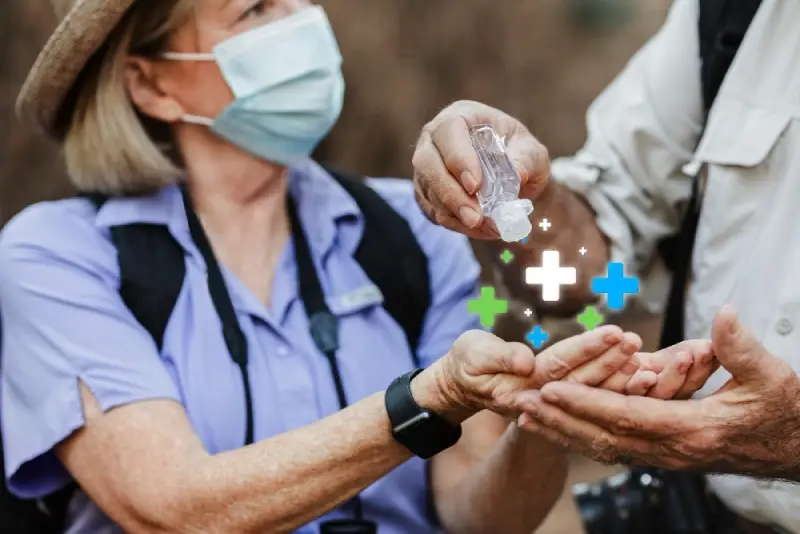
Monthly Field Day with Patients & Staff: Building Stronger Connections for Better Health
Healthcare outcomes are shaped not only by medical treatments but also by trust, communication and community engagement. As healthcare systems in India move toward preventive and patient-centric models, initiatives that foster meaningful interaction between patients and healthcare professionals are gaining importance. One such initiative is the Monthly Field Day with Patients & Staff.
A field day creates a shared space where patients and healthcare teams interact beyond clinical settings. These interactions humanise healthcare, improve understanding and encourage long-term wellness practices.
Why Community Engagement Matters in Healthcare
Modern healthcare recognises that health is influenced by behaviour, awareness and social support. According to the World Health Organization (WHO) and NITI Aayog, community-based health engagement improves preventive care adoption and patient outcomes.
Field days help bridge the gap between healthcare providers and patients by:
-
encouraging open dialogue
-
reducing fear and hesitation
-
promoting shared responsibility for health
What Is a Monthly Field Day with Patients & Staff?
A Monthly Field Day with Patients & Staff is a structured wellness initiative organised outside the routine clinical environment. It focuses on interaction, education and preventive health activities.
Typical elements include:
-
basic health screenings
-
lifestyle education sessions
-
fitness or relaxation activities
-
informal conversations with healthcare staff
-
family and caregiver participation
The aim is to create a supportive and approachable healthcare experience.
Why Monthly Frequency Matters
Consistency is key in behaviour change and preventive health.
Monthly field days:
-
reinforce health messages regularly
-
build familiarity and trust
-
allow continuous follow-up
-
keep wellness top of mind
According to public health studies, repeated engagement significantly improves health literacy and adherence.
Benefits for Patients
1. Improved Health Awareness
Patients gain better understanding of:
-
chronic disease management
-
preventive screenings
-
nutrition and lifestyle habits
Education in informal settings improves retention.
2. Increased Comfort with Healthcare Teams
Regular interaction reduces anxiety and hesitation around seeking medical care.
Patients are more likely to:
-
ask questions
-
follow medical advice
-
attend follow-ups
3. Early Risk Identification
Field days often include basic screenings that help detect:
-
high blood pressure
-
elevated blood sugar
-
obesity risk
Early identification enables timely intervention.
4. Enhanced Emotional Wellbeing
Social interaction and community activities reduce feelings of isolation, especially among elderly or chronically ill patients.
Benefits for Healthcare Staff
1. Better Understanding of Patient Needs
Direct interaction outside clinical settings helps staff understand patient challenges more holistically.
2. Improved Communication Skills
Informal engagement strengthens empathy and communication effectiveness.
3. Reduced Burnout
Positive patient interaction and community appreciation contribute to staff morale and job satisfaction.
WHO recognises staff wellbeing as a critical factor in healthcare quality.
Role of Field Days in Preventive Healthcare
Preventive healthcare focuses on reducing disease burden before complications arise. Field days support prevention by:
-
promoting routine screenings
-
encouraging healthy lifestyle habits
-
addressing myths and misconceptions
-
reinforcing long-term care plans
NITI Aayog identifies community engagement as a cornerstone of preventive healthcare strategies.
Activities Commonly Included in Field Days
Health Screening Stations
Blood pressure, blood sugar, BMI and basic assessments.
Wellness Education
Short talks on nutrition, exercise, sleep and stress.
Interactive Sessions
Q&A discussions with doctors, nurses and health educators.
Physical Activities
Group walks, yoga sessions or light exercises.
Family Engagement
Including caregivers improves adherence and support systems.
Impact on Chronic Disease Management
For patients with chronic conditions such as diabetes or hypertension, regular engagement:
-
improves medication adherence
-
reinforces lifestyle modification
-
reduces emergency visits
Lancet studies highlight that community-based interventions improve chronic disease outcomes.
Building Trust Through Transparency
Field days foster trust by:
-
making healthcare providers approachable
-
encouraging open dialogue
-
demonstrating commitment to patient wellbeing
Trust improves treatment adherence and satisfaction.
Role of Data and Feedback
Feedback collected during field days helps healthcare organisations:
-
identify common concerns
-
refine wellness programs
-
personalise future interventions
Data-driven engagement enhances program effectiveness.
Long-Term Impact on Healthcare Outcomes
Organisations that invest in regular patient-staff engagement observe:
-
higher patient satisfaction
-
improved preventive screening rates
-
reduced disease complications
-
stronger community relationships
According to WHO, patient-centred care models improve health outcomes and system efficiency.
Why Field Days Are Especially Relevant in India
India’s diverse population faces challenges such as:
-
limited health literacy
-
delayed care-seeking
-
chronic disease burden
Community-based initiatives like field days address these challenges through education and trust-building.
Conclusion
A Monthly Field Day with Patients & Staff is more than a community event—it is a strategic preventive healthcare initiative. By fostering open communication, promoting health awareness and strengthening relationships, field days improve patient engagement and staff wellbeing alike. In a healthcare landscape increasingly focused on prevention and community trust, regular field days play a vital role in building healthier, more connected communities.
References
-
ICMR – Community Health and Preventive Care Reports
-
National Family Health Survey (NFHS-5) – Health Awareness and Engagement Dat
-
NITI Aayog – Community-Based Preventive Healthcare Strategies
-
WHO – Patient-Centred Care and Community Health Guidelines
-
Lancet – Community Engagement and Health Outcome Studies
-
Statista – Healthcare Engagement and Preventive Care Trends India
-
EY-FICCI – Healthcare Workforce and Patient Engagement Reports
Our Services
Request A Callback
Recent Posts


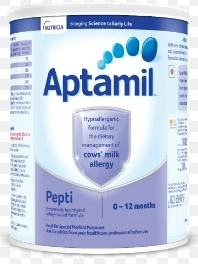
Aptamil Pepti Infant Formula 0 to 12 Months Tin 400gm
Brand: Nutricia International Private Limited
₹2000.00₹1960.00
View Details


Neocate LCP Infant Formula Powder 400GM
Brand: Nutricia International Private Limited
₹3300.00₹3234.00
View Details
Web Stories


Popular Lab Test






Live Doctor consultation
Live Doctor Chat

Fees ₹99
General Physician
Fees ₹99
General Physician
Fees ₹99
General Physician

Dr. Syed Mukhtar Mohiuddin
MBBS, MD , Fellowship in Diabetes Mellitus (UK)
- 7 Years
- English
Available at 00:00 to 07:00
Fees ₹99
General Physician
Fees ₹99
General Physician
Download Our App & Get Consultation from anywhere.