• Published on: Oct 01, 2025
  • 2 minute read
  • By: Secondmedic Expert

Top Foods To Boost Immunity

  • WhatsApp share link icon
  • copy & share link icon
  • twitter share link icon
  • facebook share link icon

Your immune system is like an army that defends your body daily. To perform well, it needs fuel—nutrients, antioxidants, and support from what you eat and how you live. While no single food is a magic bullet, consistently including immunity-friendly foods gives your body a better chance to fend off infections and recover faster.

What Makes a Food “Immune-Boosting”?

Foods that help immunity generally share these qualities:

  • Rich in vitamins (C, A, E, D)

  • Contain minerals / trace elements (zinc, selenium, magnesium)

  • Antioxidants & polyphenols that reduce oxidative stress

  • Anti-inflammatory compounds

  • Prebiotics / probiotics for gut health

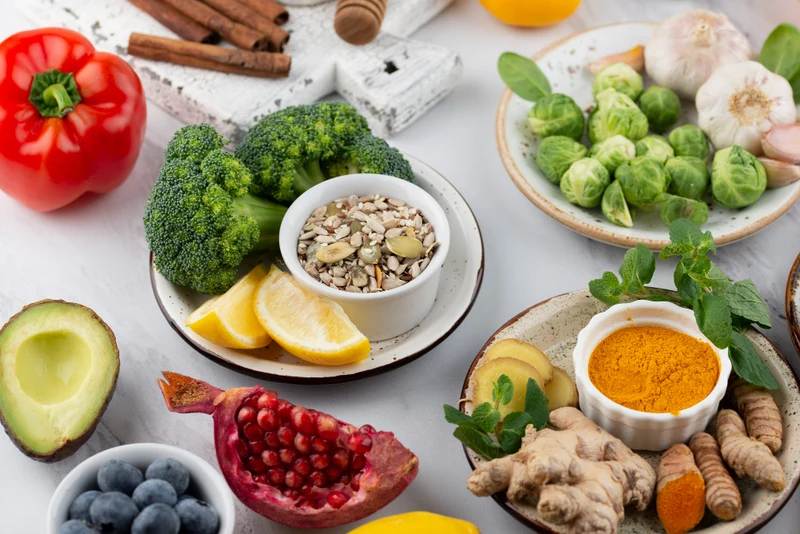
A 2023 review identified foods like milk, eggs, fruits, leafy greens, and spices (onion, garlic, turmeric) as having immune-supportive potential. PubMed Another study highlights nuts, citrus, leafy vegetables, garlic, ginger, and avocado among natural immunity builders. BioMed Central

Top Foods to Include

Citrus Fruits & Amla

Oranges, lemons, guava, and most notably amla (Indian gooseberry) are powerhouses of vitamin C and antioxidants. They help boost white blood cell function and limit oxidative damage.

Leafy Greens & Colorful Veggies

Spinach, broccoli, kale, bell peppers, carrots—these provide vitamins A, E, beta-carotene, and fiber. They help maintain healthy mucosal barriers and support detox pathways.

Garlic, Ginger & Spices

Garlic has sulfur compounds like allicin with antibacterial and immune benefits. Ginger, turmeric, black pepper are anti-inflammatory and support healthy immune response. Indian cooking often blends these spices, amplifying their benefits. PMC+1

Nuts & Seeds

Almonds, walnuts, flaxseeds, pumpkin seeds are sources of healthy fats, vitamin E, zinc—all essential for immune cell membranes and function.

Yogurt & Fermented Foods

A large portion of immune cells reside in the gut. Probiotics in yogurt, curd, fermented dosa/idli batter support a healthy microbiome, which in turn helps regulate immune responses.

Lean Protein, Eggs & Dairy

Proteins provide building blocks (amino acids) for antibodies and immune cells. Eggs, lean meat, dairy, legumes are good picks.

Other Helpers

  • Moringa leaves (rich in A, C, iron)

  • Citrus peel and herbs in soups or teas

  • Green tea—polyphenols support immune regulation

Tips to Use These Foods Smartly

  • Balanced plate: Combine protein + veggies + healthy fat

  • Use spices liberally but moderately

  • Raw + cooked: Some nutrients become bioavailable after light cooking

  • Hydrate well: Water and mild herbal teas help immune function

  • Avoid extremes: Too much of one nutrient doesn’t always help

  • Rotate your choices: Eat a variety of foods to cover more nutrients

Conclusion

Your diet is one of the strongest tools you carry in your daily life to support your immunity. Including a spectrum of fruits, vegetables, spices, nuts, probiotics, and lean proteins routinely gives your immune system a stronger foundation. But it’s not just about food—sleep, stress management, exercise, and avoiding harmful habits matter too.

Keep building your diet as a “shield,” not a “cure.” Real immunity comes through consistent nourishment, rest, and care.

Useful Studies & Platforms

  • “Common Foods for Boosting Human Immunity: A Review” (2023) – identifies milk, eggs, fruits, leafy greens, spices as immune-supportive. PubMed

  • “Immune-boosting functional components of natural foods” – coverage of almonds, citrus, garlic, ginger, avocado, etc. BioMed Central

  • Significance of conventional Indian foods – Indian culinary practices and seeds (coriander, mustard) contain selenium and immune-helping compounds. PMC


Read FAQs


A. Yes, many foods contain nutrients (vitamin C, E, zinc, selenium, polyphenols) that support immune functions like pathogen detection, inflammation regulation, and cell repair. A 2023 review lists milk, eggs, fruits, leafy greens, garlic, turmeric as immune-supportive foods.

A. Daily. Include a mix of fruits, vegetables, nuts, spices, yogurt and whole grains. Variety ensures coverage of multiple nutrients.

A. They support your immune system, but under severe infection or chronic stress, you may also need medical care, supplements, or lifestyle changes (sleep, stress, exercise).

A. Absolutely. Spices like turmeric, coriander seeds, mustard, along with foods like amla, moringa, and garlic are shown to have antioxidant and immune-modulating effects in Indian contexts.

A. Yes—high sugar, processed foods, excessive alcohol, trans fats, and ultra-processed junk increase inflammation, oxidative stress, and can suppress immune functions.

Read Blog
Flexible

Flexible Work Schedules with Telehealth Support: A Smarter Approach to Employee Wellbeing

The modern workplace is undergoing a significant transformation. Rigid office hours and traditional healthcare access models are giving way to flexible work schedules and digital health solutions. One of the most impactful combinations emerging in corporate wellness is flexible work schedules with telehealth support.

This integrated approach addresses two critical challenges faced by today’s workforce: work-life imbalance and delayed healthcare access.


Why Workplace Health Models Need to Change

According to NITI Aayog and EY-FICCI workforce reports, Indian employees face rising levels of:

  • work-related stress
     

  • lifestyle diseases
     

  • burnout
     

  • absenteeism
     

Long working hours, commuting stress and limited time for medical visits worsen health outcomes. Flexible work arrangements and telehealth support directly address these gaps.


What Are Flexible Work Schedules?

Flexible work schedules allow employees to:

  • adjust start and end times
     

  • work remotely or in hybrid formats
     

  • manage personal commitments alongside work
     

Flexibility empowers employees to align work with their physical and mental health needs.


Understanding Telehealth Support

Telehealth uses digital platforms to deliver healthcare services such as:

  • online doctor consultations
     

  • follow-up care
     

  • preventive health advice
     

  • mental health support
     

It eliminates geographical and time barriers to healthcare.


Why Combining Flexibility with Telehealth Works

Individually, flexibility and telehealth are beneficial. Together, they create a powerful wellness ecosystem.

This combination allows employees to:

  • consult doctors without taking leave
     

  • manage chronic conditions proactively
     

  • address early symptoms promptly
     

  • reduce healthcare delays


Health Benefits for Employees

Reduced Stress and Burnout

Flexible schedules reduce time pressure, while telehealth removes healthcare-related anxiety.


Improved Access to Preventive Care

Employees are more likely to seek early consultations when care is convenient.


Better Management of Chronic Conditions

Conditions like hypertension, diabetes and thyroid disorders require regular follow-up, which telehealth supports efficiently.


Enhanced Mental Wellbeing

Tele-mental health services enable confidential and timely support.


Improved Work-Life Balance

Employees can prioritise health without compromising job responsibilities.


Productivity Benefits for Employers

Reduced Absenteeism

Quick access to care reduces prolonged sick leave.


Improved Employee Engagement

Health-supported employees show higher motivation and loyalty.


Lower Healthcare Costs

Preventive care reduces long-term medical claims.


Strong Employer Branding

Wellness-focused policies attract and retain talent.


Evidence Supporting Flexible Work and Telehealth

According to WHO and Lancet workplace health studies:

  • flexible work reduces stress-related disorders
     

  • telehealth improves healthcare utilisation
     

  • preventive care lowers chronic disease burden
     

Indian corporate data mirrors these findings, especially in hybrid work environments.


Role in Preventive Healthcare

Preventive healthcare focuses on early risk identification and lifestyle management.

Flexible schedules with telehealth support:

  • encourage routine checkups
     

  • support ongoing health monitoring
     

  • enable early intervention
     

This aligns with India’s preventive healthcare priorities outlined by NITI Aayog.


Addressing Common Concerns

Productivity Loss Myth

Multiple studies show flexible work improves output rather than reducing it.


Quality of Telehealth

Telehealth is effective for most primary care and follow-up needs.


Data Security

Modern telehealth platforms follow strict privacy and data protection standards.


Ideal Use Cases in the Workplace

This model is particularly effective for:

  • IT and corporate offices
     

  • remote and hybrid teams
     

  • organisations with distributed workforce
     

  • high-stress work environments


Implementation Best Practices

To maximise impact:

  • set clear flexibility guidelines
     

  • integrate telehealth access into HR benefits
     

  • promote preventive consultations
     

  • track wellness metrics
     

Leadership support is key to adoption.


Long-Term Organisational Impact

Organisations adopting this model report:

  • improved employee health indicators
     

  • reduced burnout
     

  • stronger workplace culture
     

  • sustainable productivity gains
     

Wellbeing becomes a strategic advantage.


Conclusion

Flexible work schedules with telehealth support represent the future of employee wellbeing. By removing barriers to healthcare access and allowing employees control over their work routines, this approach promotes preventive care, reduces stress and enhances productivity. As workplaces evolve, integrating flexibility with digital health support is not just an employee benefit—it is a strategic investment in long-term organisational health and resilience.


References

  • World Health Organization (WHO) – Workplace Health Promotion Framework

  •  Indian Council of Medical Research (ICMR) – Lifestyle Disease and Workforce Health Studies

  • NITI Aayog – Digital Health and Workplace Wellness Reports

  • Lancet – Telehealth and Workforce Productivity Research

  • EY-FICCI – Corporate Wellness and Future of Work Reports

  • Statista – Telehealth Adoption and Workforce Trends

See all

Live Doctor consultation
Live Doctor Chat

Download Our App & Get Consultation from anywhere.

App Download
call icon for mobile number calling and whatsapp at secondmedic