- Published on: Aug 11, 2023
- 2 minute read
- By: Secondmedic Expert
The Golden Goodness: Exploring The Nutritional And Health Benefits Of Apricots




In the realm of healthy foods and weight loss diets, few gems stand out quite like apricots. These vibrant and succulent fruits not only tantalize your taste buds but also offer a wealth of nutritional and health benefits that contribute to a healthy lifestyle. Whether you're on a weight loss journey, practicing mindful eating, or simply seeking to incorporate more nutrient-packed foods into your diet, apricots are a delicious addition you won't want to overlook.
The Nutritional Powerhouse:
Apricots, with their warm golden hues, are a visual representation of their nutritional richness. These fruits are bursting with essential vitamins, minerals, and dietary fiber, making them a valuable component of a health-focused diet.
1. A Bounty of Vitamins: Apricots are a splendid source of vitamin A, an antioxidant essential for maintaining healthy vision, skin, and immune function. This vitamin is particularly significant for promoting eye health and preventing vision-related issues.
2. Fiber for Digestive Health: The dietary fiber content in apricots aids in digestion and helps maintain a healthy gut. A diet rich in fiber is known to prevent constipation and support regular bowel movements, contributing to overall digestive well-being.
3. A Nutrient-Rich Package: Apricots also contain vitamins C and E, both of which possess antioxidant properties that protect cells from damage caused by free radicals. These vitamins play a role in skin health, immune function, and overall vitality.
Apricots in Weight Loss Diets:
For those on a weight loss journey, apricots offer a natural and sweet way to curb cravings and stay on track with a dieting food plan. Their relatively low calorie content combined with dietary fiber helps create a sense of fullness, preventing overeating. Snacking on apricots can provide a satisfying indulgence without derailing your healthy eating goals.
1. Satisfying Sweetness: Apricots provide a natural sweetness that can satisfy sugar cravings while still being a part of a low-calorie, healthy food menu. Reaching for apricots as a snack or dessert option can help you make mindful choices while enjoying the delectable flavors.
2. Nutrient Density for Satiation: The nutrient density of apricots ensures that you're not just consuming empty calories. This means you can enjoy a greater volume of food while still managing your calorie intake, a fundamental principle of successful weight loss diets.
Health Benefits Beyond the Plate:
Beyond their nutritional value, apricots have been associated with various health benefits that contribute to a holistic approach to well-being.
1. Skin Nourishment: Vitamins A and E in apricots play a role in maintaining healthy skin. These antioxidants help protect your skin from environmental stressors, keeping it glowing and radiant.
2. Heart Health: Potassium, present in apricots, supports heart health by aiding in maintaining healthy blood pressure levels. Additionally, the fiber content contributes to managing cholesterol levels.
3. Bone Support: Apricots contain minerals like calcium and phosphorus, which are vital for maintaining strong and healthy bones.
Incorporating Apricots into a Healthy Lifestyle:
Adding apricots to your diet is as delightful as it is beneficial. Here are some ways to make the most of apricot benefits:
1. Fresh Enjoyment: Enjoy apricots as a refreshing and nutritious snack on their own. Their juicy texture and natural sweetness make them a satisfying choice for a quick pick-me-up.
2. Culinary Creations: Incorporate apricots into your culinary creations. Add them to salads, yogurt, or oatmeal for an extra burst of flavor and nutrition.
3. Dried and Delicious: Dried apricots are a convenient option when fresh ones are not available. However, be mindful of portion sizes as dried apricots are more calorie-dense.
4. Smoothie Magic: Blend apricots into your smoothies for a touch of natural sweetness and a boost of vitamins and fiber.
Conclusion:
A Juicy Wellness Ally
As you journey toward a healthier lifestyle, remember that incorporating nutrient-rich foods like apricots can be both enjoyable and rewarding. These golden gems offer a bounty of vitamins, minerals, and fiber that contribute to overall well-being. From supporting weight loss diets to promoting heart health and glowing skin, apricots stand as a testament to the power of healthy food benefits. So, savor the succulence of apricots and relish the journey to a healthier you.
Read FAQs
A. Apricots are a rich source of essential nutrients, including vitamins A and C, potassium, dietary fiber, and antioxidants. These nutrients contribute to overall health and can provide various benefits.
A. Apricots are packed with vitamin A and antioxidants, which are known for supporting skin health. Vitamin A helps maintain healthy skin cells and supports the natural repair process. Antioxidants combat free radicals that can cause premature aging and skin damage.
A. Yes, apricots contain dietary fiber, which aids digestion by promoting regular bowel movements and preventing constipation. Fiber also supports a healthy gut environment.
A. Dried apricots are concentrated in nutrients and calories due to the removal of water. While they retain most vitamins and minerals, their calorie content is higher. Be mindful of portion sizes to avoid excessive calorie intake.


Role of Nutrition in Disease Prevention: How Food Choices Shape Long-Term Health
Disease prevention is no longer limited to vaccinations and medical screenings. Modern healthcare increasingly recognises nutrition as one of the most powerful tools for preventing illness before it begins. The role of nutrition in disease prevention is especially important in India, where lifestyle-related diseases account for a large share of premature illness and mortality.
According to the Indian Council of Medical Research (ICMR) and the National Family Health Survey (NFHS-5), poor dietary patterns contribute significantly to rising cases of diabetes, heart disease, obesity and hypertension. Unlike genetic factors, nutrition is a modifiable risk factor, meaning everyday food choices can actively protect health.
Why Nutrition Is Central to Disease Prevention
1. Nutrition regulates metabolic health
Balanced diets help maintain:
-
healthy blood sugar levels
-
optimal cholesterol balance
-
stable blood pressure
Disruption in these systems increases disease risk.
2. Nutrition strengthens immunity
WHO highlights that immune function depends heavily on adequate intake of vitamins, minerals and protein.
3. Nutrition controls inflammation
Chronic low-grade inflammation is linked to most lifestyle diseases. Diets rich in whole foods reduce inflammatory markers.
Major Diseases Influenced by Nutrition
Diabetes and Prediabetes
Excess refined carbohydrates and sugar drive insulin resistance.
Preventive nutrition focuses on:
-
whole grains
-
fibre-rich vegetables
-
adequate protein
-
controlled portion sizes
ICMR data shows that dietary modification can delay or prevent type 2 diabetes in high-risk individuals.
Cardiovascular Disease
Heart disease remains a leading cause of death in India.
Nutrition impacts:
-
cholesterol levels
-
blood pressure
-
arterial inflammation
Diets low in trans fats and high in fibre significantly reduce cardiovascular risk, as confirmed by WHO and Lancet studies.
Obesity
Obesity increases the risk of multiple chronic diseases.
Preventive nutrition addresses:
-
calorie density
-
food quality
-
satiety regulation
NFHS-5 reports a steady rise in overweight and obesity across age groups.
Hypertension
High sodium intake and low potassium intake contribute to high blood pressure.
Preventive dietary strategies include:
-
reducing processed foods
-
increasing fruits and vegetables
-
maintaining mineral balance
Certain Cancers
Diet influences cancer risk through:
-
antioxidant intake
-
fibre consumption
-
reduced exposure to carcinogenic compounds
WHO estimates that a significant percentage of cancers are preventable through diet and lifestyle changes.
Key Nutrients That Support Disease Prevention
Fibre
Supports gut health, blood sugar control and cholesterol reduction.
Protein
Essential for muscle health, immune function and metabolic balance.
Healthy Fats
Omega-3 fats reduce inflammation and protect heart health.
Micronutrients
Iron, zinc, vitamin D and B vitamins are essential for metabolic and immune regulation.
NFHS-5 highlights widespread micronutrient deficiencies in India, increasing disease vulnerability.
Role of Gut Health in Prevention
The gut microbiome plays a major role in:
-
immune regulation
-
inflammation control
-
nutrient absorption
Fermented foods and fibre-rich diets support healthy gut bacteria, strengthening disease resistance.
Why Preventive Nutrition Works Best Early
Nutrition is most effective when applied:
-
before disease onset
-
during pre-disease stages
-
alongside regular health screening
Once disease progresses, nutrition remains supportive but may not reverse damage fully.
Nutrition vs Medication in Prevention
Medication treats disease; nutrition reduces risk.
WHO and NITI Aayog emphasize that:
-
preventive nutrition reduces disease incidence
-
lifestyle modification lowers healthcare burden
-
early nutrition changes reduce dependency on long-term medication
Both approaches work best when combined appropriately.
Workplace and Community Role in Preventive Nutrition
Structured nutrition programs at workplaces and communities:
-
improve awareness
-
support behaviour change
-
reduce population-level disease burden
Lancet studies show that group-based nutrition interventions improve long-term adherence.
Common Myths About Nutrition and Disease Prevention
Myth 1: Supplements replace healthy food
Whole foods provide better long-term protection.
Myth 2: Prevention requires extreme diets
Consistency matters more than restriction.
Myth 3: Nutrition only matters after diagnosis
Early nutrition is most effective before disease develops.
Building a Preventive Nutrition Routine
Effective preventive nutrition includes:
-
regular meals
-
diverse food groups
-
portion awareness
-
minimal processed foods
-
hydration
Small daily choices compound into long-term health benefits.
Long-Term Impact of Preventive Nutrition
Consistent healthy eating leads to:
-
reduced disease risk
-
improved energy and productivity
-
better immune resilience
-
lower healthcare costs
-
improved quality of life
NITI Aayog identifies nutrition as a cornerstone of sustainable healthcare systems.
Conclusion
Understanding the role of nutrition in disease prevention empowers individuals to take control of their health long before illness develops. Balanced, consistent nutrition reduces inflammation, supports immunity and protects against chronic diseases that burden India’s healthcare system. Preventive nutrition is not about short-term fixes but about building lifelong habits that support health, resilience and longevity.
References
-
ICMR – Nutrition and Lifestyle Disease Prevention Reports
-
National Family Health Survey (NFHS-5) – Dietary and Metabolic Health Data
-
NITI Aayog – Preventive Healthcare and Nutrition Strategy Reports
-
WHO – Diet, Nutrition and Chronic Disease Prevention Guidelines
-
Lancet – Nutrition and Disease Risk Reduction Studies
-
Statista – Dietary Trends and Health Outcomes India
-
EY-FICCI – Preventive Healthcare and Nutrition Economics
Our Services
Request A Callback
Recent Posts



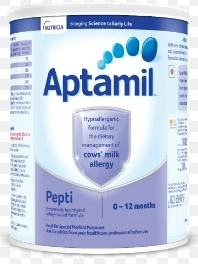
Aptamil Pepti Infant Formula 0 to 12 Months Tin 400gm
Brand: Nutricia International Private Limited
₹2000.00₹1960.00
View Details


Neocate LCP Infant Formula Powder 400GM
Brand: Nutricia International Private Limited
₹3300.00₹3234.00
View Details
Web Stories


Popular Lab Test






Live Doctor consultation
Live Doctor Chat

Fees ₹99
General Physician
Fees ₹99
General Physician
Fees ₹99
General Physician

Dr. Syed Mukhtar Mohiuddin
MBBS, MD , Fellowship in Diabetes Mellitus (UK)
- 7 Years
- English
Available at 00:00 to 07:00
Fees ₹99
General Physician
Fees ₹99
General Physician
Download Our App & Get Consultation from anywhere.