• Published on: Oct 28, 2025
  • 3 minute read
  • By: Secondmedic Expert

Telehealth Adoption In India: How SecondMedic Is Powering A Digital Health Revolution

  • WhatsApp share link icon
  • copy & share link icon
  • twitter share link icon
  • facebook share link icon

India’s healthcare is going digital - and telehealth is at the center of it.
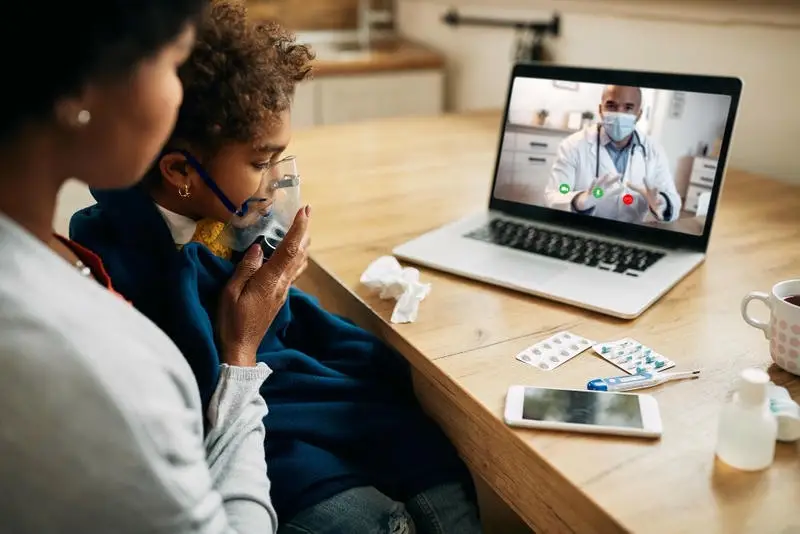
From city hospitals to remote villages, virtual consultations are transforming how people connect with doctors. What was once an emergency solution during COVID-19 has now become a permanent healthcare channel.

SecondMedic stands at the heart of this transformation - building India’s most integrated digital health ecosystem.

The Rise of Telehealth in India

In 2020, telehealth saw an explosive rise as lockdowns disrupted in-person care. But the change didn’t fade. By 2025, telehealth adoption has become mainstream.

According to NITI Aayog (2024), telemedicine in India grew by 68% year-on-year, with platforms like eSanjeevani crossing 200 million consultations.

Private healthcare innovators like SecondMedic complement this growth by offering holistic virtual services - consultation, diagnostics, pharmacy, and chronic care - all from a single dashboard.

Why Telehealth Works for India

  1. Accessibility – Reaches rural areas where doctor-patient ratios are low (1:1650).

  2. Affordability – Reduces costs by eliminating travel and clinic wait times.

  3. Convenience – Patients can consult doctors anytime, anywhere.

  4. Continuity – Chronic patients receive consistent follow-ups and digital prescriptions.

  5. Prevention Focus – Encourages early diagnosis and proactive health management.
     

SecondMedic’s Role in Accelerating Adoption

At SecondMedic, telehealth isn’t just about virtual visits - it’s about connected care.

We provide:

  • 24x7 Online Consultations with verified doctors and specialists

  • Home Diagnostics & Pharmacy Delivery

  • E-Prescriptions & Health Reports in one place

  • AI-Driven Monitoring for chronic care

  • Preventive Health Programs with personalized tracking
     

This complete ecosystem makes healthcare personal, portable, and predictive.

Government Initiatives Boosting Adoption

  • Ayushman Bharat Digital Mission (ABDM): Building digital health IDs for all citizens.

  • eSanjeevani Platform: Free government teleconsultations now exceeding 200M+ users.

  • Telemedicine Practice Guidelines (2020): Official legal backing for virtual care.

  • National Health Stack: Data-driven infrastructure for interoperability.
     

These programs are transforming telehealth from a convenience to a national healthcare backbone.

Real-World Impact

According to WHO India (2024):

  • 32% of OPD visits are now replaced by teleconsultations.

  • 45% of chronic patients report better compliance due to digital follow-ups.

  • 60% of rural teleconsultations are first-time digital healthcare users.
     

SecondMedic’s internal data (2025) shows a 47% reduction in missed follow-ups and 38?ster treatment decisions compared to traditional systems.

Challenges in Telehealth Adoption

While progress is strong, challenges remain:

  • Uneven internet connectivity in rural zones

  • Low digital literacy among older patients

  • Data privacy and cybersecurity concerns

  • Integration with insurance and public health systems
     

SecondMedic is addressing these by:

  • Simplifying user interfaces

  • Providing multilingual app support

  • Using encrypted, HIPAA-compliant systems for safety
     

The Future of Telehealth in India

The next phase of telehealth will combine AI, wearables, and predictive analytics to create preventive, continuous care.
Virtual hospitals, real-time monitoring, and digital insurance claims will make healthcare more personalized and efficient than ever.

SecondMedic continues to innovate with AI-backed symptom analysis, chronic disease dashboards, and home-based care - bringing India closer to a healthier, digital-first future.

Conclusion

Telehealth is no longer just an option - it’s India’s healthcare evolution.
With platforms like SecondMedic, millions can access reliable medical advice, lab tests, and medicines without leaving home.

Affordable, accessible, and advanced - that’s the promise of digital care.

Book your online consultation today at SecondMedic.com - and experience the future of healthcare, today.

Real Data & References

  • NITI Aayog (2024): Telemedicine adoption up 68%. niti.gov.in
     

  • WHO India (2024): 32% of OPD replaced by teleconsultations. who.int/india
     

  • MoHFW (2020): Telemedicine Practice Guidelines approved. mohfw.gov.in
     

  • SecondMedic Data (2025): 47?wer missed follow-ups via telehealth. secondmedic.com

Read FAQs


A. Affordable smartphones, fast internet, and post-pandemic behavioral change have accelerated telehealth adoption across all age groups.

A. According to NITI Aayog (2024), telehealth usage increased by 68% since 2020, with over 300 million virtual consultations recorded.

A. Yes. The Telemedicine Practice Guidelines (2020) issued by the Ministry of Health provide a legal framework for teleconsultations.

A. Rural patients, senior citizens, working professionals, and those with chronic diseases benefit most from virtual care.

A. SecondMedic integrates doctor consultations, diagnostics, pharmacy, and health tracking on one secure digital platform - promoting nationwide accessibility.

Read Blog
sleep

How Lack of Sleep Weakens Immunity: Why Poor Sleep Makes You Fall Sick More Often

Sleep is one of the most powerful yet overlooked pillars of health. While nutrition and exercise receive significant attention, sleep often takes a back seat in modern lifestyles. Understanding how lack of sleep weakens immunity reveals why people who sleep poorly fall sick more often, take longer to recover and experience chronic inflammation.

In India, late-night work culture, excessive screen time and irregular schedules have made sleep deprivation increasingly common across age groups.


The Link Between Sleep and the Immune System

The immune system relies on sleep for:

  • repair and regeneration

  • immune cell production

  • inflammation control

During deep sleep, the body releases cytokines and antibodies that protect against infections.


What Happens to Immunity During Sleep

While sleeping:

  • immune cells identify pathogens

  • inflammatory responses are regulated

  • memory T-cells strengthen immune memory

This nightly process prepares the body to fight infections effectively.


How Sleep Deprivation Disrupts Immune Function

When sleep is inadequate:

  • immune cell activity decreases

  • antibody production drops

  • inflammation increases

WHO studies confirm that sleep deprivation weakens immune defence mechanisms.


Increased Risk of Infections

People who sleep less than 6 hours regularly:

  • fall sick more often

  • catch colds and flu easily

  • recover slower from illness

Lancet research shows a strong link between sleep duration and infection susceptibility.


Impact on Inflammation

Poor sleep increases inflammatory markers.

Chronic inflammation:

  • weakens immune response

  • increases risk of chronic diseases

ICMR reports highlight sleep deprivation as a contributor to low-grade systemic inflammation.


Effect on Vaccine Response

Sleep quality affects how well vaccines work.

Studies show:

  • poor sleep reduces antibody response

  • adequate sleep improves vaccine effectiveness

Sleep is essential for immune memory formation.


Hormonal Changes That Affect Immunity

Sleep regulates hormones such as:

  • cortisol

  • melatonin

Lack of sleep increases cortisol, which suppresses immune function.


Stress, Sleep and Immunity

Sleep deprivation and stress reinforce each other.

High stress:

  • disrupts sleep

  • suppresses immune cells

This cycle weakens overall resistance to illness.


Impact on Gut Immunity

The gut hosts a major part of the immune system.

Poor sleep:

  • disrupts gut microbiome

  • weakens gut immunity

Lancet studies link sleep deprivation to gut-related immune dysfunction.


Why Children and Older Adults Are More Vulnerable

Sleep deprivation affects:

  • children’s developing immune systems

  • older adults’ already weakened immunity

Adequate sleep is especially important in these age groups.


Signs Your Immunity Is Affected by Poor Sleep

Warning signs include:

  • frequent infections

  • slow wound healing

  • constant fatigue

  • increased allergies

These symptoms indicate compromised immune defence.


Long-Term Health Risks of Poor Sleep

Chronic sleep deprivation increases risk of:

  • infections

  • autoimmune disorders

  • metabolic diseases

  • heart disease

Sleep loss affects nearly every body system.


Role of Preventive Health Awareness

Preventive healthcare emphasises:

  • sleep as a foundation of immunity

  • early lifestyle correction

NITI Aayog recognises sleep hygiene as essential for population health.


How to Improve Sleep for Better Immunity

Effective strategies include:

  • fixed sleep and wake times

  • limiting screen exposure before bed

  • avoiding caffeine late in the day

  • creating a dark, quiet sleep environment

Consistency matters more than duration alone.


Myths About Sleep and Immunity

Myth: You can catch up on sleep later
Fact: Chronic sleep debt harms immunity.

Myth: Sleeping pills improve immunity
Fact: Natural sleep is more beneficial.


Why Sleep Is a Preventive Medicine

Sleep:

  • costs nothing

  • requires no equipment

  • delivers powerful immune protection

It is one of the most effective preventive health tools.


Conclusion

Understanding how lack of sleep weakens immunity highlights the critical role of sleep in protecting the body from infections and chronic disease. Poor sleep disrupts immune cell function, increases inflammation and reduces resistance to illness. Prioritising consistent, quality sleep is not optional—it is essential for strong immunity, faster recovery and long-term health. Protecting sleep today strengthens immune defence for tomorrow.


References

  • Indian Council of Medical Research (ICMR) – Sleep, Immunity and Inflammation Studies

  • World Health Organization (WHO) – Sleep and Immune Health Guidelines

  • National Institutes of Health – Sleep Deprivation and Immunity

  • Lancet – Sleep Duration and Infection Risk

  • NITI Aayog – Preventive Health and Lifestyle Recommendations

See all

Live Doctor consultation
Live Doctor Chat

Download Our App & Get Consultation from anywhere.

App Download
call icon for mobile number calling and whatsapp at secondmedic