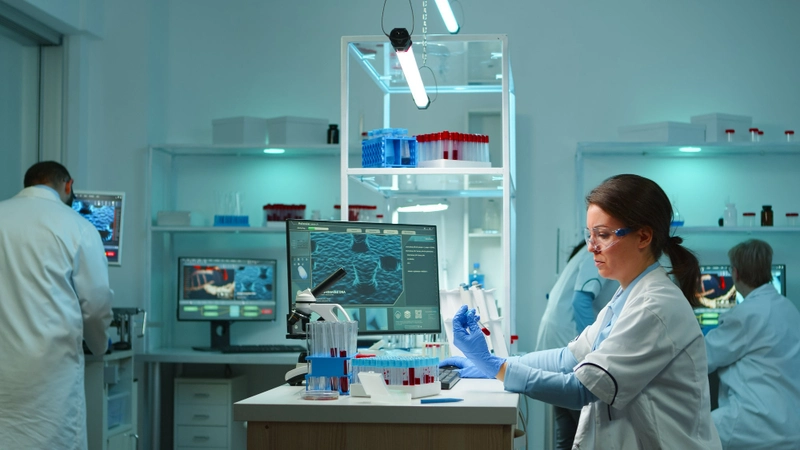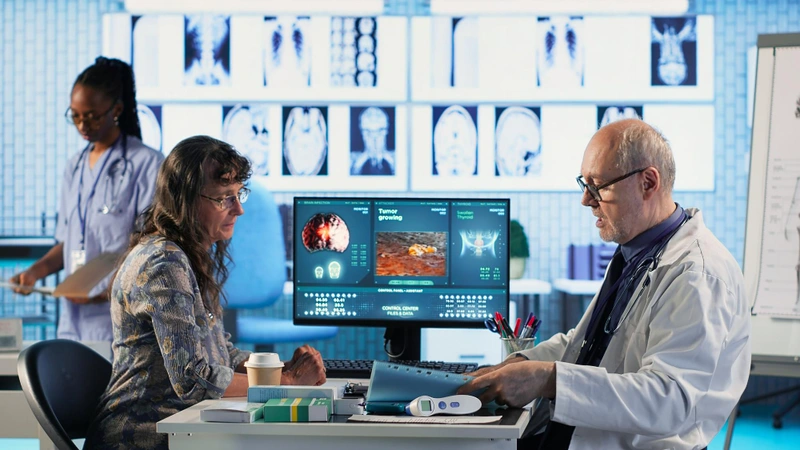
India’s healthcare system is undergoing one of the most significant technology transformations in its history. From telemedicine to AI-driven diagnostics, patients are now at the center of a fully connected, efficient, and personalized digital ecosystem. Technology-driven patient experience India is redefining how people access care, interact with doctors, receive diagnostic services, and manage long-term health conditions.
According to NITI Aayog, India’s digital health market is expected to reach USD 50 billion by 2030, driven by telehealth, AI automation, digital records, and patient engagement platforms.
SecondMedic is playing a key role in delivering seamless, patient-first, technology-enabled healthcare.
1. Telemedicine: India’s New Healthcare Entry Point
Telemedicine usage in India surged nearly 400?ter 2020, and remains a primary care channel today.
Why patients prefer telemedicine:
-
Immediate access
-
Reduced waiting times
-
Affordable care
-
Safe & hygienic
-
Available 24/7
SecondMedic’s telemedicine platform connects patients to specialists within 5-10 minutes, making healthcare accessible anytime.
2. AI Tools That Improve Patient Experience
AI is now embedded across the patient journey.
Key uses:
-
AI symptom checkers
-
Predictive alerts
-
Automated triage
-
AI-based diagnostic interpretation
For chronic patients, AI-powered monitoring tools detect abnormalities early and notify doctors for timely intervention.
3. Digital Patient Records: A Single Health Identity
India’s ABDM (Ayushman Bharat Digital Mission) is creating unified digital health IDs.
Benefits:
-
All medical records in one place
-
Easy access to prescriptions
-
Faster doctor consultations
-
No lost files or repeated tests
SecondMedic integrates digital records, giving patients full control over their medical history.
4. Mobile Health Apps: Healthcare at Your Fingertips
Nearly 1 billion Indians use smartphones, making mobile health apps the backbone of patient experience.
Patients use apps for:
-
Booking consultations
-
Tracking symptoms
-
Managing chronic care
-
Viewing digital prescriptions
-
Accessing diagnostic reports
SecondMedic’s patient app allows seamless coordination of all services.
5. Smart Diagnostics & Home Testing
Technology has made diagnostics more convenient.
Advancements include:
-
Home sample collection
-
Digital test reports
-
Trackable diagnostic timelines
-
AI-enhanced report interpretation
Patients can order tests without visiting a lab, improving convenience and safety.
6. Wearable Tech & Remote Monitoring
Wearables monitor:
-
Heart rate
-
Oxygen saturation
-
Sleep patterns
-
Stress levels
-
Blood sugar (CGM sensors)
Remote monitoring systems help high-risk patients stay safe at home.
7. Automation in Patient Journeys
Automation has improved:
-
Appointment scheduling
-
Medicine reminders
-
Follow-up notifications
-
Report tracking
This reduces manual burden and enhances patient satisfaction.
8. The Future of Patient Experience India
In the coming years, patient experience will further evolve with:
-
Voice-based AI health companions
-
Personalized treatment paths
-
Automated health dashboards
-
VR-based rehabilitation
-
Predictive health scoring
-
Digital-first hospitals
Conclusion
Technology-driven patient experience India is creating a smarter, faster, and more compassionate healthcare ecosystem. By merging AI, telemedicine, smart diagnostics, and digital records, platforms like SecondMedic are delivering patient-centered care that is accessible to everyone, everywhere.
References
-
NITI Aayog Digital Health Report
-
ABDM - Ayushman Bharat Digital Mission Data
-
Statista India Telemedicine Usage
-
EY FICCI HealthTech Study
-
ICMR - Digital Monitoring Trends