- Published on: Oct 25, 2024
- 5 minute read
- By: SecondMedic Expert
Symptoms Of An E. Coli Infection You Shouldn’t Ignore: Get Diagnosed At Second Medic




E. coli, short for Escherichia coli, is a bacterial group commonly found in our intestines and in some animals. While many E. coli strains are harmless and even beneficial, certain types can cause serious infections. Knowing the symptoms of an E. coli infection and when to seek a diagnosis can help prevent complications, especially if you catch the infection early. Here, we’ll dive into the early signs of E. coli infection, ways to test for it, and how Second Medic offers top-quality E. coli diagnostic services to help you stay healthy.
Understanding E. coli: What is it?
Escherichia coli is naturally present in human and animal intestines, and it plays a vital role in digestion. However, some strains, like E. coli O157 produce toxins that cause infections and lead to symptoms ranging from mild discomfort to severe gastrointestinal issues. E. coli infections often result from consuming contaminated food or water or through direct contact with animals or people carrying the bacteria.
Early Symptoms of E. coli Infection: What to Watch For
The initial signs of an E. coli infection can appear within 1 to 10 days after exposure, with most cases surfacing around 3 to 4 days post-infection. Recognizing these early symptoms of E. coli is essential, as timely intervention can prevent escalation.
Common Early Symptoms of E. coli Infection:
-
Abdominal cramps: One of the first signs is intense stomach cramping. Unlike regular stomach pain, the cramps associated with an E. coli infection are usually sharp and persistent.
-
Diarrhoea: Initially, diarrhoea may be mild, but it can quickly become severe and even bloody as the infection progresses. In many cases, E. coli can cause bloody diarrhoea, indicating a more severe strain.
-
Nausea and vomiting: Nausea is common, with some individuals experiencing vomiting due to the bacterial toxins irritating the digestive system.
-
Fatigue: Constant discomfort from symptoms like stomach cramps, diarrhoea, and nausea can lead to fatigue and weakness.
-
Loss of appetite: Many people with an E. coli infection report a decreased desire to eat, which can contribute to further weakness.
If these symptoms sound familiar or have been persistent, especially if you suspect exposure to contaminated food or water, it’s crucial to consider E. coli testing. Early detection through accurate diagnosis is vital to prevent severe complications.
Signs of E. coli Infection in Adults
Symptoms of E. coli infection in adults are similar to those in children but can sometimes go unnoticed or be mistaken for other gastrointestinal issues. Adults may not realize the severity of the infection until it worsens, so being aware of E. coli infection symptoms can help prevent unnecessary suffering. Key signs to watch for include:
-
Persistent abdominal cramps and pain: E. coli stomach pain symptoms tend to be sharp and do not ease with time, unlike common stomachaches.
-
Bloody diarrhoea: As mentioned, bloody stools are a red flag that you might be dealing with a severe strain of E. coli.
-
Increased dehydration: Persistent diarrhoea can lead to dehydration, marked by dry mouth, dizziness, and reduced urine output.
-
High fever: Although less common, fever can occur in some cases and may signal the body’s response to infection.
When to Get Tested for E. coli
So, when should you seek professional help? If you’re experiencing persistent symptoms or if you suspect recent exposure to contaminated food or water, it’s best to get tested. Testing is particularly important if:
-
Symptoms persist beyond a few days
-
You notice blood in your stool
-
You experience severe abdominal cramps and dehydration
-
Someone in your household has recently been diagnosed with an E. coli infection
Ignoring these symptoms or delaying diagnosis can lead to severe complications, such as hemolytic uremic syndrome (HUS), which affects kidney function. Early testing is the best way to prevent the infection from worsening.
How to Get Tested for E. coli at Second Medic
At Second Medic, we offer reliable E. coli diagnostic services tailored to your needs. Our E. coli testing services are straightforward and highly accurate, providing peace of mind for individuals concerned about infection. Here’s what you can expect from our Second Medic E. coli diagnosis process:
-
Sample collection: A stool sample is typically required for E. coli testing. Our diagnostic team will provide you with clear instructions on how to collect the sample safely and hygienically.
-
Laboratory analysis: Our advanced laboratory facilities are equipped to detect E. coli strains efficiently. Testing for harmful strains, such as E. coli O157
, helps ensure accurate results. -
Consultation and follow-up: Following your test results, our medical experts will discuss your results with you, explain any findings, and recommend a treatment plan if needed.
Our E. coli testing services are thorough and designed to provide fast and reliable results, so you’re not left waiting for answers.
What Sets Second Medic Apart for E. coli Diagnosis
Choosing a Second Medic for an E. coli diagnosis means choosing expertise, precision, and compassionate care. Our team of highly skilled professionals ensures that you receive accurate, timely results and personalized care based on your needs. Here’s why Second Medic is your best choice for E. coli testing:
-
Experienced medical team: Our healthcare professionals are experienced in diagnosing and managing E. coli infections, providing you with effective treatment guidance.
-
Cutting-edge diagnostic tools: Our laboratories use state-of-the-art equipment for prompt and precise testing.
-
Patient-centred approach: We prioritize your well-being by providing support and guidance throughout the testing process, making the experience comfortable and reassuring.
With Second Medic’s expert care, you can feel confident in knowing you’re in safe hands, receiving the best possible diagnosis and advice.
Can E. coli Cause Bloody Diarrhea?
Yes, E. coli can cause bloody diarrhoea, especially in cases involving more severe strains. The Shiga toxin-producing E. coli (STEC) is particularly dangerous and often results in bloody stools, severe abdominal cramps, and vomiting. If you observe bloody diarrhoea, it’s essential to seek immediate medical help. Blood in the stool can indicate a severe infection that might require urgent intervention.
Prevention Tips: How to Avoid an E. coli Infection
Prevention is always better than cure, and there are several ways to reduce your risk of contracting E. coli:
-
Practice proper food hygiene: Ensure all foods, especially meats, are thoroughly cooked, and avoid consuming unpasteurized dairy products.
-
Wash hands regularly: Wash your hands after handling raw meat, using the restroom, and interacting with animals.
-
Avoid cross-contamination: Use separate cutting boards for raw meats and vegetables, and always clean surfaces after food prep.
-
Be cautious with water sources: Drink treated water, especially when travelling, and avoid swallowing water from lakes, pools, or untreated sources.
Symptoms of E. coli Infection You Shouldn’t Ignore
To recap, E. coli infection symptoms can range from mild to severe and may progress quickly if untreated. Watch out for early symptoms of E. coli such as intense abdominal cramps, bloody diarrhoea, nausea, and vomiting. These symptoms are more than discomfort; they can signal a serious infection requiring prompt attention.
At Second Medic, our priority is your health, and we’re here to provide comprehensive E. coli diagnostic services to ensure you get the care you need.
Get Tested Today
If you’re experiencing any symptoms of E. coli infection, don’t wait. Schedule a test with Second Medic to receive a reliable diagnosis and peace of mind. Our team of experts is ready to support you every step of the way, ensuring you get fast, accurate results and the guidance you need for a safe recovery.
Read FAQs
A. Symptoms of an E. coli infection typically appear within 1 to 10 days after exposure, with most cases developing symptoms around 3 to 4 days. However, this can vary depending on the strain and the individual’s immune response.
A. Yes, E. coli infections can range from mild to severe. While some cases resolve on their own, others, especially those involving strains like E. coli O157, can cause serious complications, including dehydration and kidney problems, particularly in children, older adults, and those with compromised immune systems.
A. You can reduce the risk of E. coli infection by practicing good hygiene, thoroughly cooking meats, avoiding unpasteurized dairy products, and washing hands regularly. When traveling or in places with limited clean water, drinking treated or bottled water is also advisable.


Monthly Healthy Potluck at Health Hubs: Building Community-Centered Preventive Wellness in India
India is facing a growing burden of lifestyle-related health conditions, including diabetes, obesity, hypertension and heart disease. According to ICMR and NFHS-5 data, dietary habits play a central role in the development and prevention of these conditions. While awareness around nutrition is increasing, sustaining healthy eating habits remains a challenge for many individuals.
The Monthly Healthy Potluck at Health Hubs is a community-driven initiative designed to address this gap. By bringing people together around nutritious food, shared learning and expert guidance, these potlucks transform healthy eating from an individual responsibility into a collective experience.
SecondMedic supports these events as part of its broader preventive healthcare mission, combining community engagement with medical expertise and digital health tools.
Why Community-Based Nutrition Initiatives Matter in India
1. Rising lifestyle disease burden
ICMR reports show that diet-related conditions account for a significant proportion of non-communicable diseases in India. Excess sugar, refined carbohydrates and processed foods are common contributors.
2. Nutrition knowledge gaps
NFHS-5 highlights widespread deficiencies in:
-
protein intake
-
micronutrients
-
dietary diversity
Community events help translate knowledge into practice.
3. Behaviour change is easier together
Research published in The Lancet suggests that group-based interventions are more effective in sustaining lifestyle changes than isolated efforts.
4. Cultural relevance of shared meals
Food is deeply social in Indian culture. Potlucks leverage this tradition to promote healthier choices without imposing rigid rules.
What Is the Monthly Healthy Potluck at Health Hubs?
The Monthly Healthy Potluck is a recurring wellness event hosted at designated Health Hubs. Participants bring healthy, home-prepared dishes and engage in guided discussions about nutrition, ingredients and portion balance.
The goal is not calorie counting, but mindful, informed eating that aligns with preventive health principles.
Key Components of the Healthy Potluck Program
1. Nutritious Home-Cooked Food
Participants are encouraged to prepare dishes using:
-
whole grains
-
seasonal vegetables
-
lean proteins
-
healthy fats
-
minimal added sugar and salt
This showcases practical, everyday meals rather than restrictive diets.
2. Nutrition Education in Simple Language
Dietitians and healthcare professionals explain:
-
why certain ingredients are beneficial
-
how portion sizes affect metabolism
-
ways to modify traditional recipes for better health
This bridges the gap between theory and daily cooking.
3. Peer Learning and Motivation
Participants learn from each other’s recipes, challenges and successes. This shared experience builds motivation and accountability.
4. Preventive Health Focus
Discussions link food choices to prevention of:
-
diabetes
-
heart disease
-
obesity
-
gut disorders
-
nutrient deficiencies
The emphasis is on long-term wellbeing, not short-term fixes.
Who Can Benefit from Monthly Healthy Potlucks?
Working professionals
Learn quick, balanced meal ideas suited for busy schedules.
Families
Encourage healthier eating habits for children and elders alike.
Seniors
Focus on nutrient-dense foods that support ageing and immunity.
Individuals with lifestyle conditions
Gain practical guidance for diabetes-friendly, heart-healthy or weight-conscious meals.
Health-conscious individuals
Build consistency and community support around wellness goals.
The Role of Health Hubs in Preventive Care
Health Hubs act as physical spaces where preventive healthcare becomes accessible and engaging. By hosting regular potlucks, these hubs move beyond diagnostics and consultations to address everyday behaviours that shape health outcomes.
SecondMedic integrates these community activities with:
-
preventive screening programs
-
nutrition consultations
-
AI Health Guide insights
-
digital health records
This ensures that learning from the potluck translates into measurable health improvements.
How AI Health Guide Enhances Community Nutrition Programs
SecondMedic’s AI Health Guide complements potluck initiatives by:
• Identifying common dietary gaps
Based on participant data and screening results.
• Personalising recommendations
Aligns food choices with individual health profiles.
• Tracking progress over time
Monitors changes in weight, glucose, cholesterol and energy levels.
• Supporting expert guidance
Provides data-backed insights for dietitians during discussions.
This blend of community engagement and technology strengthens preventive outcomes.
Benefits of Monthly Healthy Potlucks
1. Improved nutrition awareness
Participants gain clarity on healthy ingredients and cooking methods.
2. Sustainable behaviour change
Monthly repetition reinforces habits without overwhelm.
3. Reduced reliance on processed food
Exposure to simple, healthy recipes encourages home cooking.
4. Stronger community bonds
Shared goals foster trust, motivation and support.
5. Alignment with preventive healthcare
Nutrition becomes a proactive tool for disease prevention.
Long-Term Impact on Public Health
Community-driven initiatives like healthy potlucks can have a significant impact on public health outcomes. According to WHO and NITI Aayog, population-level dietary improvements are among the most cost-effective strategies for reducing non-communicable diseases.
By normalising healthy eating through social interaction, Monthly Healthy Potlucks contribute to:
-
reduced lifestyle disease risk
-
improved dietary diversity
-
greater health literacy
How SecondMedic Supports and Scales These Initiatives
SecondMedic plays a key role in ensuring that these events are structured, evidence-based and scalable by providing:
• Expert involvement
Dietitians and doctors guide discussions.
• Digital follow-up
Participants receive personalised insights post-event.
• Preventive health integration
Links potluck learnings with screenings and consultations.
• Community engagement tools
Newsletters, reminders and educational resources maintain momentum.
Conclusion
The Monthly Healthy Potluck at Health Hubs represents a powerful shift in how preventive healthcare is delivered in India. By combining community participation, nutrition education and expert guidance, these events make healthy eating practical, enjoyable and sustainable. Supported by SecondMedic’s preventive healthcare ecosystem, healthy potlucks transform everyday food choices into long-term wellness strategies.
7?? References
-
ICMR – Dietary Patterns and Lifestyle Disease Prevention
-
National Family Health Survey (NFHS-5) – Nutrition and Health Indicators
-
NITI Aayog – Preventive Health and Community Wellness Reports
-
WHO – Community-Based Nutrition Interventions Guidelines
-
Lancet – Effectiveness of Group-Based Lifestyle Interventions
-
Statista – Nutrition Awareness and Preventive Health Trends India
-
EY-FICCI – Preventive Healthcare and Community Engagement Studies
Our Services
Request A Callback
Recent Posts



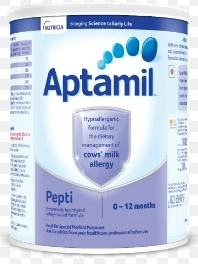
Aptamil Pepti Infant Formula 0 to 12 Months Tin 400gm
Brand: Nutricia International Private Limited
₹2000.00₹1960.00
View Details


Neocate LCP Infant Formula Powder 400GM
Brand: Nutricia International Private Limited
₹3300.00₹3234.00
View Details
Web Stories


Popular Lab Test






Live Doctor consultation
Live Doctor Chat

Fees ₹99
General Physician

Dr. Syed Mukhtar Mohiuddin
MBBS, MD , Fellowship in Diabetes Mellitus (UK)
- 7 Years
- English
Available at 00:00 to 07:00
Fees ₹99
General Physician
Fees ₹99
General Physician
Fees ₹99
General Physician
Fees ₹99
General Physician
Download Our App & Get Consultation from anywhere.