- Published on: May 23, 2022
- 3 minute read
- By: Second Medic Expert
Stretch Marks: Causes And Treatment




Stretch marks are markings that often show up on the skin during pregnancy, estrus, or rapid growth spurts. They’re usually red or purple at first, but eventually fade to a silvery white. Pregnancy is the most common cause of stretch marks, but they can also be caused by weight gain during puberty or from certain medical conditions like Cushing’s syndrome. While stretch marks are harmless and don’t pose any health risks, many people find them unsightly and are looking for ways to get rid of them.
There are a number of treatment options available for stretch marks, though none of them are guaranteed to work. Stretch marks are markings that can occur on the skin during periods of rapid growth or stretching. The most common places they appear are on the thighs, buttocks, stomach, and breasts. During pregnancy, these markings often show up around the sixth or seventh month as the skin stretches to accommodate a growing belly.
While stretch marks do not pose any health risks, many people regard them as unsightly blemishes. In general, there are two ways to treat them: topical treatments and laser therapy. Topical treatments for stretch marks include moisturizers, retinoids, creams containing Vitamin C, and body oils like cocoa butter. These products work by stimulating collagen production and improving blood circulation in the area . Stretch marks are markings that can occur on the skin after it has been stretched or distorted in some way. They’re often associated with pregnancy, weight gain, andgrowth spurts during adolescence. However, anyone can develop stretch marks, even though they’re more common in women than men.
Stretch marks usually first appear as reddish or purple lines, but over time they tend to turn a lighter color. They tend to be most visible on the stomach, breasts, hips, thighs, and buttocks—areas where larger amounts of fat are typically stored. There are a number of different factors that can contribute to the development of stretch marks. There are many different causes of stretch marks, from changes in weight to pregnancy and puberty. However, the most common cause of stretch marks is due to rapid weight gain or loss. When the skin stretches quickly, it can cause the collagen fibers to break down, resulting in stretch marks.
There are a number of treatment options available for stretch marks. topical creams and lotions can help to improve the appearance of stretch marks by increasing hydration and elasticity. laser treatments can also be effective in reducing the appearance of stretch marks by stimulating collagen production. If you’re pregnant or breastfeeding, you should speak to your doctor before using any treatments as some ingredients may not be safe for your baby.
Stretch marks are markings that often appear on the skin during periods of fast growth or change. They’re most common during puberty, pregnancy, and after sudden weight gain. Between 40 and 90% of pregnant women get them. Up to 30% of adolescent girls and boys have them too.
For many people, stretch marks are a source of frustration and embarrassment. Fortunately, there are ways to minimize their appearance and even get rid of them completely. In this article, we’ll discuss what causes stretch marks and some of the best treatments available.
What Causes Stretch Marks?
Stretch marks happen when your skin stretches or shrinks too quickly. There are a number of factors that can cause stretch marks, including pregnancy, gain or loss of weight, changes in body composition, and pubertal growth spurts. There is no surefire way to prevent stretch marks from occurring, but there are some things you can do to minimize your risk. Keep your skin hydrated by drinking plenty of water and using a moisturizer regularly. eating a healthy diet and maintaining a healthy body weight will also help to keep your skin stretched taut.
Stretch marks are markings that often appear on the skin during periods of rapid growth or weight gain. Though they're more common in women, both sexes can get them. Stretch marks happen when the skin is stretched beyond its normal capacity, causing the dermis (the middle layer of skin) to tear. This results in a markings or indentations on the surface of the skin. Though they're not dangerous, stretch marks can be unsightly, which is why many people look for ways to get rid of them. There are a number of different treatments for stretch marks, though none of them are guaranteed to work. Some popular methods include topical creams and lotions, laser therapy, and microdermabrasion. There are many different causes of stretch marks, but the most common cause is pregnancy. Stretch marks occur when the skin stretches or shrinks rapidly, causing the collagen and elastin fibers in the skin to break down. This can happen during pregnancy as the skin stretches to accommodate the growing belly. Other causes of stretch marks include weight gain or weight loss, pubertal growth spurts, and bodybuilding.
Stretch marks can occur anywhere on the body, but they are most commonly seen on the stomach, breasts, hips, buttocks, and thighs. They typically appear as lines or streaks that are slightly darker than your surrounding skin color. In some cases they may be itchy or painful.

Monthly Field Day with Patients & Staff: Building Stronger Connections for Better Health
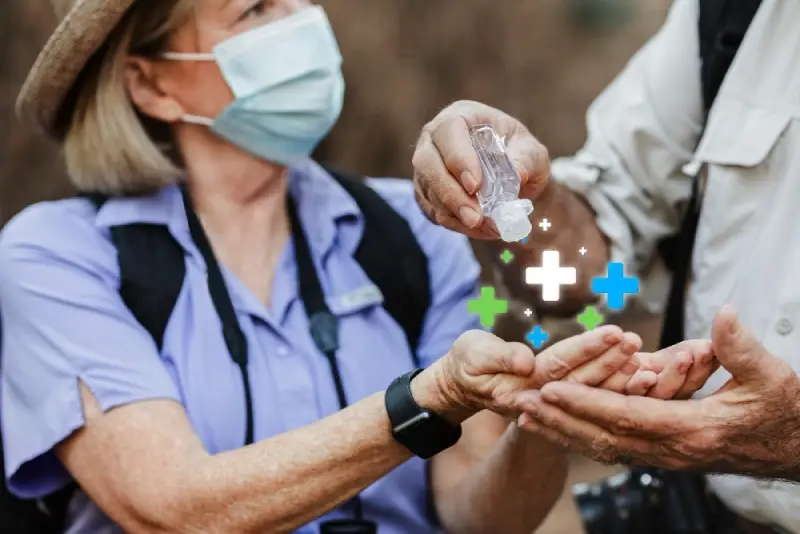
Healthcare outcomes are shaped not only by medical treatments but also by trust, communication and community engagement. As healthcare systems in India move toward preventive and patient-centric models, initiatives that foster meaningful interaction between patients and healthcare professionals are gaining importance. One such initiative is the Monthly Field Day with Patients & Staff.
A field day creates a shared space where patients and healthcare teams interact beyond clinical settings. These interactions humanise healthcare, improve understanding and encourage long-term wellness practices.
Why Community Engagement Matters in Healthcare
Modern healthcare recognises that health is influenced by behaviour, awareness and social support. According to the World Health Organization (WHO) and NITI Aayog, community-based health engagement improves preventive care adoption and patient outcomes.
Field days help bridge the gap between healthcare providers and patients by:
-
encouraging open dialogue
-
reducing fear and hesitation
-
promoting shared responsibility for health
What Is a Monthly Field Day with Patients & Staff?
A Monthly Field Day with Patients & Staff is a structured wellness initiative organised outside the routine clinical environment. It focuses on interaction, education and preventive health activities.
Typical elements include:
-
basic health screenings
-
lifestyle education sessions
-
fitness or relaxation activities
-
informal conversations with healthcare staff
-
family and caregiver participation
The aim is to create a supportive and approachable healthcare experience.
Why Monthly Frequency Matters
Consistency is key in behaviour change and preventive health.
Monthly field days:
-
reinforce health messages regularly
-
build familiarity and trust
-
allow continuous follow-up
-
keep wellness top of mind
According to public health studies, repeated engagement significantly improves health literacy and adherence.
Benefits for Patients
1. Improved Health Awareness
Patients gain better understanding of:
-
chronic disease management
-
preventive screenings
-
nutrition and lifestyle habits
Education in informal settings improves retention.
2. Increased Comfort with Healthcare Teams
Regular interaction reduces anxiety and hesitation around seeking medical care.
Patients are more likely to:
-
ask questions
-
follow medical advice
-
attend follow-ups
3. Early Risk Identification
Field days often include basic screenings that help detect:
-
high blood pressure
-
elevated blood sugar
-
obesity risk
Early identification enables timely intervention.
4. Enhanced Emotional Wellbeing
Social interaction and community activities reduce feelings of isolation, especially among elderly or chronically ill patients.
Benefits for Healthcare Staff
1. Better Understanding of Patient Needs
Direct interaction outside clinical settings helps staff understand patient challenges more holistically.
2. Improved Communication Skills
Informal engagement strengthens empathy and communication effectiveness.
3. Reduced Burnout
Positive patient interaction and community appreciation contribute to staff morale and job satisfaction.
WHO recognises staff wellbeing as a critical factor in healthcare quality.
Role of Field Days in Preventive Healthcare
Preventive healthcare focuses on reducing disease burden before complications arise. Field days support prevention by:
-
promoting routine screenings
-
encouraging healthy lifestyle habits
-
addressing myths and misconceptions
-
reinforcing long-term care plans
NITI Aayog identifies community engagement as a cornerstone of preventive healthcare strategies.
Activities Commonly Included in Field Days
Health Screening Stations
Blood pressure, blood sugar, BMI and basic assessments.
Wellness Education
Short talks on nutrition, exercise, sleep and stress.
Interactive Sessions
Q&A discussions with doctors, nurses and health educators.
Physical Activities
Group walks, yoga sessions or light exercises.
Family Engagement
Including caregivers improves adherence and support systems.
Impact on Chronic Disease Management
For patients with chronic conditions such as diabetes or hypertension, regular engagement:
-
improves medication adherence
-
reinforces lifestyle modification
-
reduces emergency visits
Lancet studies highlight that community-based interventions improve chronic disease outcomes.
Building Trust Through Transparency
Field days foster trust by:
-
making healthcare providers approachable
-
encouraging open dialogue
-
demonstrating commitment to patient wellbeing
Trust improves treatment adherence and satisfaction.
Role of Data and Feedback
Feedback collected during field days helps healthcare organisations:
-
identify common concerns
-
refine wellness programs
-
personalise future interventions
Data-driven engagement enhances program effectiveness.
Long-Term Impact on Healthcare Outcomes
Organisations that invest in regular patient-staff engagement observe:
-
higher patient satisfaction
-
improved preventive screening rates
-
reduced disease complications
-
stronger community relationships
According to WHO, patient-centred care models improve health outcomes and system efficiency.
Why Field Days Are Especially Relevant in India
India’s diverse population faces challenges such as:
-
limited health literacy
-
delayed care-seeking
-
chronic disease burden
Community-based initiatives like field days address these challenges through education and trust-building.
Conclusion
A Monthly Field Day with Patients & Staff is more than a community event—it is a strategic preventive healthcare initiative. By fostering open communication, promoting health awareness and strengthening relationships, field days improve patient engagement and staff wellbeing alike. In a healthcare landscape increasingly focused on prevention and community trust, regular field days play a vital role in building healthier, more connected communities.
References
-
ICMR – Community Health and Preventive Care Reports
-
National Family Health Survey (NFHS-5) – Health Awareness and Engagement Dat
-
NITI Aayog – Community-Based Preventive Healthcare Strategies
-
WHO – Patient-Centred Care and Community Health Guidelines
-
Lancet – Community Engagement and Health Outcome Studies
-
Statista – Healthcare Engagement and Preventive Care Trends India
-
EY-FICCI – Healthcare Workforce and Patient Engagement Reports
Our Services
Request A Callback
Recent Posts




Aptamil Pepti Infant Formula 0 to 12 Months Tin 400gm
Brand: Nutricia International Private Limited
₹2000.00₹1960.00
View Details


Neocate LCP Infant Formula Powder 400GM
Brand: Nutricia International Private Limited
₹3300.00₹3234.00
View Details
Web Stories


Popular Lab Test






Live Doctor consultation
Live Doctor Chat

Fees ₹99
General Physician

Dr. Syed Mukhtar Mohiuddin
MBBS, MD , Fellowship in Diabetes Mellitus (UK)
- 7 Years
- English
Available at 00:00 to 07:00
Fees ₹99
General Physician
Fees ₹99
General Physician
Fees ₹99
General Physician
Fees ₹99
General Physician
Download Our App & Get Consultation from anywhere.