• Published on: Dec 16, 2024
  • 3 minute read
  • By: SecondMedic Expert

Signs And Symptoms Of Heart Failure In Women

  • WhatsApp share link icon
  • copy & share link icon
  • twitter share link icon
  • facebook share link icon

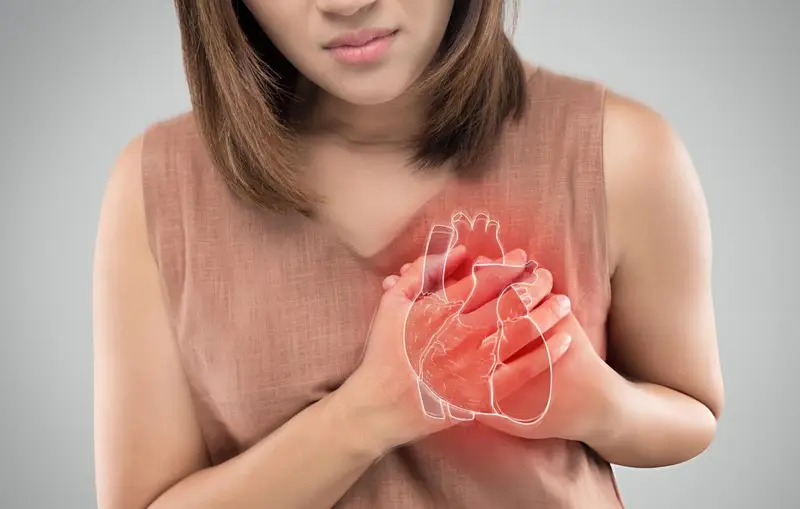
Heart failure is a critical condition where the heart cannot pump blood effectively, leading to insufficient blood supply for the body’s needs. Women, in particular, often experience symptoms that differ from men, making early detection crucial. Understanding the signs and symptoms of heart failure in women is key to timely intervention and better health outcomes.

Early Signs of Heart Failure in Women

One of the most alarming aspects of heart failure in women is the subtlety of its early symptoms. Recognizing these early signs of heart problems in women can make a significant difference in seeking timely medical care. Common early symptoms include:

  • Unusual Fatigue: Persistent fatigue, even after adequate rest, is a warning sign. Fatigue as a heart failure symptom in women often goes unnoticed because it’s mistaken for stress or overwork.

  • Shortness of Breath: Feeling breathless during routine activities, like climbing stairs or walking, could indicate early heart failure. This symptom often worsens over time.

  • Swelling in Legs and Ankles: Fluid retention, leading to swelling (oedema), can signal congestive heart failure.

  • Dizziness or Lightheadedness: Reduced blood flow to the brain can cause women to feel faint or dizzy.

If you experience these early signs, consulting a healthcare provider for heart failure early detection in women is vital.

Common Symptoms of Heart Failure in Women

The symptoms of heart failure in women can be different from those in men, often making diagnosis more challenging. While chest pain is a hallmark sign in men, women tend to exhibit non-specific symptoms. Some of the most prevalent symptoms include:

  • Persistent Fatigue: Women with heart problems and fatigue often find it hard to complete even simple daily tasks. This is a common yet underreported symptom.

  • Shortness of Breath: Women may feel breathless during physical activities or even while lying down. Shortness of breath and heart failure in women is a classic indicator of the condition.

  • Irregular Heartbeat: Palpitations or a fluttering sensation in the chest may point to underlying heart issues.

  • Swelling and Weight Gain: Retention of fluids in the body leads to swelling in the abdomen, legs, and ankles, as well as rapid weight gain.

  • Coughing or Wheezing: A persistent cough that produces white or pink mucus could indicate fluid buildup in the lungs.

Recognizing these symptoms of congestive heart failure in women can help in seeking timely treatment and avoiding complications.

Unique Warning Signs of Heart Failure in Women

Women often experience symptoms that are less typical but equally critical. These warning signs of heart failure in women include:

  • Nausea and Loss of Appetite: Digestive issues can arise due to reduced blood flow to the digestive system.

  • Cold, Clammy Skin: Poor circulation may cause women to feel cold or experience sweating without exertion.

  • Sleep Disturbances: Trouble sleeping, especially waking up breathless, could be a symptom of heart failure.

  • Depression or Anxiety: Emotional symptoms can sometimes be linked to physical conditions like heart failure.

These less obvious symptoms make heart failure early detection in women particularly challenging, necessitating regular health checkups.

Why Fatigue Matters in Heart Failure

Fatigue is one of the most overlooked symptoms in women with heart failure. Unlike temporary tiredness, the fatigue associated with heart failure is persistent and debilitating. Fatigue as a heart failure symptom in women occurs due to reduced oxygen delivery to muscles and tissues, leaving the body constantly exhausted. This symptom, combined with others like shortness of breath and swelling, should not be ignored.

Risk Factors for Heart Failure in Women

Understanding the risk factors can aid in early detection and prevention. Key contributors include:

  • Hypertension: High blood pressure strains the heart, leading to potential failure over time.

  • Diabetes: Women with diabetes are at a higher risk of developing heart problems.

  • Obesity: Excess weight increases the burden on the heart, heightening the risk of failure.

  • Smoking and Alcohol Consumption: These habits significantly damage the heart and blood vessels.

  • Family History: A history of heart disease in the family increases susceptibility.

Addressing these risk factors proactively can prevent the progression of heart failure.

When to See a Doctor

If you notice any combination of symptoms—especially unusual fatigue, shortness of breath, or swelling—it’s crucial to consult a healthcare professional. Early signs of heart problems in women should never be dismissed as minor. Heart failure symptoms in women often progress gradually, so prompt medical attention can make a significant difference.

Steps for Heart Failure Early Detection in Women

  • Regular Checkups: Routine screenings can identify heart issues before symptoms worsen.

  • Heart Health Monitoring: Keeping track of blood pressure, cholesterol levels, and weight is essential.

  • Lifestyle Changes: A balanced diet, regular exercise, and stress management are vital.

  • Medications and Therapies: Following prescribed treatments can prevent symptoms from escalating.

Conclusion

Heart failure is a serious condition, but early detection and management can significantly improve outcomes. By understanding the symptoms of heart failure in women, including fatigue, shortness of breath, and swelling, you can take proactive steps toward better heart health. Don’t ignore these warning signs—consult a healthcare provider if you suspect any issues. SecondMedic offers expert consultations to help you navigate heart health challenges effectively.

Read FAQs


A. Early signs of heart failure in women include persistent fatigue, shortness of breath during physical activities, swelling in the legs or ankles, and dizziness. Recognizing these symptoms early can help in timely diagnosis and treatment.

A. Fatigue is a common but often overlooked symptom of heart failure in women. It occurs due to the heart's inability to pump sufficient oxygen-rich blood to the body, leading to constant tiredness even after rest.

A. Women should consult a healthcare provider if they experience persistent fatigue, breathlessness, swelling in the lower body, or chest discomfort. These could be warning signs of heart failure or other serious heart conditions requiring prompt attention.

Read Blog
women

early signs of hormonal imbalance

Hormones act as chemical messengers that regulate nearly every function in the body, from metabolism and mood to sleep, growth and reproduction. When hormone levels fall out of balance, the effects can be widespread and often confusing. Understanding the early signs of hormonal imbalance is essential because these changes are frequently subtle and mistaken for stress, ageing or lifestyle fatigue.

According to endocrine and public health studies, many adults live with undiagnosed hormonal imbalances for years, allowing symptoms to worsen and increase the risk of chronic health conditions.


What Is Hormonal Imbalance?

Hormonal imbalance occurs when:

  • hormone production is too high or too low
     

  • hormone release timing is disrupted
     

  • feedback mechanisms fail
     

Even small imbalances can cause noticeable symptoms because hormones influence multiple organ systems simultaneously.


Why Hormonal Imbalances Are Increasing

Modern lifestyles contribute significantly to hormonal disruption.

Key factors include:

  • chronic stress
     

  • poor sleep
     

  • sedentary behaviour
     

  • processed diets
     

  • environmental toxins
     

  • ageing and metabolic changes
     

These factors strain the endocrine system over time.

Common Early Signs of Hormonal Imbalance

Persistent Fatigue

Unexplained, ongoing tiredness is one of the earliest signs.

Hormonal causes include:

  • thyroid dysfunction
     

  • cortisol imbalance
     

  • insulin resistance
     

Fatigue that does not improve with rest requires evaluation.


Unexplained Weight Changes

Sudden weight gain or loss without dietary changes may signal:

  • thyroid hormone imbalance
     

  • insulin resistance
     

  • cortisol dysregulation
     

Hormonal weight changes often occur around the abdomen.


Mood Swings and Emotional Changes

Hormones directly influence brain chemistry.

Early emotional signs include:

  • irritability
     

  • anxiety
     

  • low mood
     

  • poor stress tolerance
     

These symptoms are often misattributed to mental health alone.


Sleep Disturbances

Hormones regulate circadian rhythm.

Imbalances may cause:

  • difficulty falling asleep
     

  • frequent waking
     

  • non-restorative sleep
     

Poor sleep further worsens hormonal disruption.


Changes in Appetite and Cravings

Hormonal shifts affect hunger signals.

People may experience:

  • intense sugar cravings
     

  • irregular appetite
     

  • overeating despite fullness
     

These changes are linked to insulin and cortisol imbalance.


Skin, Hair and Nail Changes

Early physical signs include:

  • acne in adulthood
     

  • hair thinning or hair fall
     

  • dry skin
     

  • brittle nails
     

These often reflect thyroid, androgen or estrogen imbalance.


Menstrual or Reproductive Changes

In women, early signs include:

  • irregular periods
     

  • heavy or painful menstruation
     

  • missed cycles
     

In men, symptoms may include:

  • reduced libido
     

  • fatigue
     

  • mood changes
     

Reproductive symptoms are key indicators of hormonal health.


Hormonal Imbalance and Metabolic Health

Hormonal disruption affects:

  • blood sugar regulation
     

  • fat metabolism
     

  • cholesterol balance
     

Left untreated, this increases the risk of diabetes, obesity and heart disease.


Why Early Symptoms Are Often Ignored

Hormonal imbalance is frequently overlooked because:

  • symptoms develop gradually
     

  • signs are non-specific
     

  • people self-manage with lifestyle changes alone
     

Unfortunately, delay allows progression.


Conditions Commonly Linked to Hormonal Imbalance

Hormonal imbalances may underlie:

  • thyroid disorders
     

  • polycystic ovary syndrome (PCOS)
     

  • insulin resistance
     

  • adrenal fatigue patterns
     

  • menopause-related changes
     

Early detection simplifies management.


Importance of Early Diagnosis

Identifying hormonal imbalance early:

  • prevents complications
     

  • reduces medication dependence
     

  • improves quality of life
     

  • supports metabolic and mental health
     

Early intervention is more effective and less invasive.


How Hormonal Imbalance Is Evaluated

Evaluation may include:

  • symptom assessment
     

  • blood hormone testing
     

  • metabolic screening
     

  • lifestyle analysis
     

Testing is guided by symptoms and clinical findings.


Lifestyle Measures That Support Hormonal Balance

Stress Management

Reducing stress normalises cortisol and improves overall hormone regulation.


Sleep Hygiene

Consistent sleep schedules support endocrine rhythm.


Balanced Nutrition

Adequate protein, fibre and micronutrients support hormone production.


Physical Activity

Regular movement improves insulin sensitivity and hormonal balance.


When to Seek Medical Advice

Consult a healthcare professional if:

  • symptoms persist beyond weeks
     

  • multiple symptoms occur together
     

  • quality of life declines
     

  • weight, mood or sleep changes worsen
     

Early evaluation prevents long-term damage.


Long-Term Risks of Untreated Hormonal Imbalance

Ignoring symptoms may lead to:

  • infertility
     

  • metabolic syndrome
     

  • osteoporosis
     

  • chronic fatigue
     

  • mental health disorders
     

Early care significantly reduces these risks.


Conclusion

Early signs of hormonal imbalance often appear subtle but reflect deeper endocrine disruption. Persistent fatigue, weight changes, mood swings, sleep problems and skin changes are not just lifestyle issues—they are signals the body should not ignore. Recognising these early signs and seeking timely medical evaluation allows for effective management, prevents chronic disease and restores long-term health balance. Hormonal health is foundational to wellbeing, and early action makes all the difference.


References

  • Indian Council of Medical Research (ICMR) – Endocrine and Metabolic Health Report

  •  National Institute of Nutrition (NIN) – Hormones and Metabolism Research

  • World Health Organization (WHO) – Endocrine System and Hormonal Health Guideline

  •  Lancet – Hormonal Imbalance and Chronic Disease Studies

  • Indian Journal of Endocrinology and Metabolism – Hormone Disorder Research

  • Statista – Hormonal Health and Lifestyle Trends India

See all

Live Doctor consultation
Live Doctor Chat

Download Our App & Get Consultation from anywhere.

App Download
call icon for mobile number calling and whatsapp at secondmedic