• Published on: Oct 30, 2025
  • 2 minute read
  • By: Secondmedic Expert

Remote Healthcare Services In India: Bridging The Gap With SecondMedic

  • WhatsApp share link icon
  • copy & share link icon
  • twitter share link icon
  • facebook share link icon

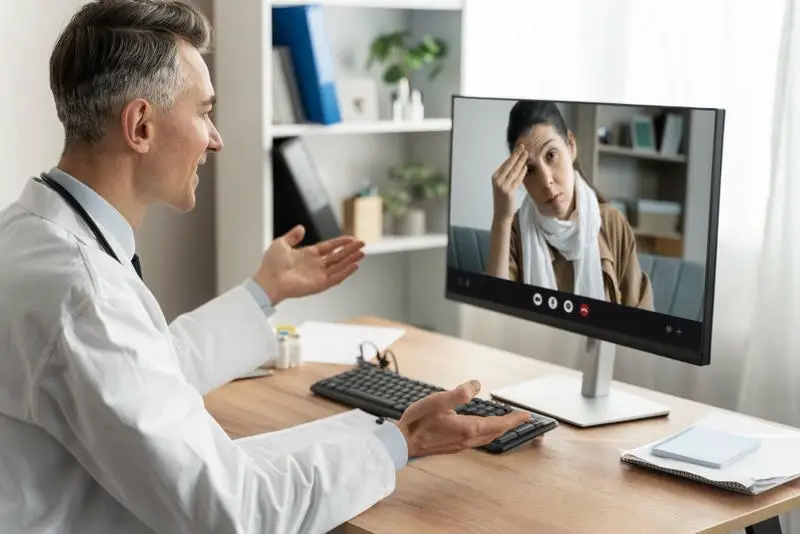
Healthcare delivery in India is undergoing a massive digital transformation - and remote healthcare services are at the center of this change.
In a country where over 65% of the population lives in rural areas, distance often delays treatment. SecondMedic is bridging this gap through technology that connects people to quality care, no matter where they live.

The Rise of Remote Healthcare in India

According to NITI Aayog’s HealthTech Report (2025), India’s remote healthcare market has grown by over 400% since 2020.
Advancements in telemedicine, AI, IoT-based monitoring, and digital diagnostics have turned healthcare into a connected experience.

Rural health centers, urban professionals, and senior citizens alike now rely on remote systems for routine and specialized medical support.

Why Remote Healthcare Matters

  1. Accessibility for All
    Eliminates the need to travel for consultations, reducing costs and saving time.


  2. Early Diagnosis Through Monitoring
    AI-based tools analyze vitals and symptoms in real time to detect issues early.


  3. Continuity of Care
    Ensures regular follow-ups for chronic patients through digital scheduling.


  4. Affordable & Scalable
    Reduces hospital load and consultation fees while improving reach.


  5. Inclusive Healthcare Delivery
    Brings specialists to remote villages without physical infrastructure costs.


How SecondMedic is Redefining Remote Healthcare

At SecondMedic, we believe healthcare should be simple, secure, and accessible for everyone.
Our remote healthcare ecosystem includes:

  • Virtual Doctor Consultations across 20+ specialties.

  • Home Diagnostics - sample collection and instant digital reports.

  • Remote Patient Monitoring (RPM) using AI alerts for chronic care.

  • E-Pharmacy for doorstep medicine delivery.

  • Preventive Screening & Wellness Plans tailored to lifestyle and age.
     

By integrating these services, SecondMedic provides a 360° digital care experience that saves both time and lives.

Data-Backed Insights

  • WHO India (2024): 70% of rural health issues could be managed through teleconsultations.

  • IMARC Report (2025): Remote healthcare market to surpass USD 9.1 billion by 2026.

  • SecondMedic internal data (2025): 74% of rural users report improved access to quality care through digital consultations.

  • NITI Aayog (2024): 58% of chronic patients prefer remote monitoring over in-person visits.
     

Overcoming India’s Healthcare Barriers

While remote healthcare offers promise, challenges remain:

  • Unequal internet coverage in rural regions.

  • Digital literacy barriers among older users.

  • The need for robust data privacy infrastructure.
     

SecondMedic is solving these issues through:

  • Low-bandwidth video solutions for villages.

  • Regional language support for ease of use.

  • Secure, encrypted systems to protect patient data.
     

Real Impact Stories

Savitri Devi from Madhya Pradesh, age 62, now receives regular blood pressure monitoring and doctor consultations via SecondMedic’s Remote Care App, saving her a 40 km trip every week.
Such stories prove that technology can bring care closer - literally.

Conclusion

Remote healthcare is no longer an experiment - it’s the future of Indian medicine.
It’s breaking barriers of geography, affordability, and accessibility - ensuring quality care for all.

At SecondMedic, we’re proud to be part of this revolution - connecting doctors and patients seamlessly, anytime, anywhere.

Experience Remote Healthcare with SecondMedic at www.secondmedic.com - because distance should never decide your health.

Real Data & References

Read FAQs


A. Remote healthcare services allow patients to receive medical consultations, diagnostics, and follow-up care without visiting hospitals, using digital communication tools.

A. It bridges the rural-urban healthcare divide, enabling faster, more affordable access to quality doctors and specialists.

A. SecondMedic offers online consultations, home diagnostics, e-prescriptions, and remote monitoring - all integrated into one platform.

A. Yes. SecondMedic follows the MoHFW Telemedicine Guidelines (2020) and uses encrypted, HIPAA-compliant technology for data safety.

A. People in rural areas, working professionals, elderly patients, and those managing chronic conditions benefit greatly from remote care.

Read Blog
Pale skin

Pale Skin Symptoms: Causes, Health Conditions, and When to Seek Medical Care

Skin colour provides important clues about internal health. When the skin becomes noticeably lighter than usual, it may indicate an underlying medical condition. Pale skin symptoms, also referred to as pallor, are commonly associated with reduced blood flow, low hemoglobin levels or impaired oxygen delivery to tissues.

In India, pale skin is frequently linked to anemia, nutritional deficiencies and chronic illnesses, making early recognition essential.


What Is Pale Skin?

Pale skin refers to:

  • lighter-than-normal skin tone

  • reduced redness

  • pale appearance of lips, gums or nail beds

It can affect the entire body or specific areas such as the face or hands.

Common Pale Skin Symptoms

Typical signs include:

  • pale face or complexion

  • pale lips or tongue

  • light-colored gums

  • pale nail beds

  • cold hands and feet

  • fatigue and weakness

These symptoms often occur together.


Most Common Causes of Pale Skin

Anemia

Anemia occurs when hemoglobin levels are low.

This reduces oxygen delivery to tissues, causing:

  • pale skin

  • fatigue

  • breathlessness

  • dizziness

NFHS-5 reports anemia affects a large proportion of Indian adults, especially women.


Iron Deficiency

Iron deficiency is the leading cause of anemia.

Contributing factors include:

  • poor dietary intake

  • blood loss

  • absorption problems

ICMR identifies iron deficiency as a major public health issue.


Poor Blood Circulation

Reduced circulation causes:

  • less blood reaching the skin

  • visible pallor

Conditions such as heart disease or shock impair circulation.


Acute Blood Loss

Sudden blood loss from:

  • injury

  • gastrointestinal bleeding

  • heavy menstrual bleeding

can cause rapid pallor and weakness.


Chronic Diseases

Chronic illnesses such as:

  • kidney disease

  • liver disease

  • cancer

often cause anemia and pallor over time.


Infections and Inflammation

Severe infections cause:

  • blood vessel constriction

  • redistribution of blood flow

This leads to pale or clammy skin.


Nutritional Deficiencies

Deficiencies of:

  • vitamin B12

  • folate

affect red blood cell production and cause pallor.


Hormonal Imbalance

Conditions like hypothyroidism reduce metabolic activity, causing:

  • pale, dry skin

  • fatigue

Thyroid disorders are common but underdiagnosed.


Genetic Conditions

Inherited disorders such as thalassemia affect hemoglobin production, leading to chronic pallor.


Pale Skin in Children and Older Adults

Children:

  • may develop pallor due to iron deficiency or infections

Older adults:

  • often develop pallor due to chronic disease or nutritional deficiency

Both groups need careful evaluation.


Warning Signs That Need Immediate Medical Attention

Seek urgent care if pale skin is associated with:

  • sudden weakness

  • chest pain

  • breathlessness

  • fainting

  • rapid heartbeat

These may indicate serious medical emergencies.


How Pale Skin Affects Daily Life

Persistent pallor often causes:

  • low energy

  • reduced physical endurance

  • difficulty concentrating

Quality of life may decline without treatment.


Diagnostic Evaluation

Doctors may recommend:

  • complete blood count

  • iron studies

  • vitamin B12 and folate levels

  • kidney and liver function tests

Identifying the cause is critical for treatment.


Role of Preventive Health Checkups

Preventive screening helps detect:

  • early anemia

  • nutritional deficiencies

  • chronic disease

Early treatment prevents complications.


Management and Treatment Options

Treatment depends on cause and may include:

  • iron or vitamin supplementation

  • treatment of underlying disease

  • dietary correction

  • medical therapy for chronic conditions

Self-treatment without diagnosis should be avoided.


Lifestyle Measures to Prevent Pallor

Helpful strategies include:

  • balanced diet rich in iron and vitamins

  • adequate hydration

  • regular health monitoring

  • treating infections early

Lifestyle changes support long-term health.


Importance of Early Detection

Ignoring pale skin delays diagnosis of:

  • anemia

  • internal bleeding

  • chronic illness

Early recognition improves outcomes.


Conclusion

Pale skin symptoms are more than a cosmetic concern. They often signal anemia, poor circulation, nutritional deficiencies or underlying medical conditions. While temporary pallor may occur due to minor causes, persistent or sudden pale skin requires medical evaluation. Early diagnosis, preventive health screening and appropriate treatment can restore normal skin tone, improve energy levels and protect long-term health.


References

  • Indian Council of Medical Research (ICMR) – Anemia and Nutritional Deficiency Reports

  • National Family Health Survey (NFHS-5) – Anemia and Adult Health Data

  • World Health Organization (WHO) – Anemia and Circulatory Health

  • Lancet – Pallor, Anemia and Chronic Disease Research

  • NITI Aayog – Preventive Healthcare and Early Symptom Detection

See all

Live Doctor consultation
Live Doctor Chat

Download Our App & Get Consultation from anywhere.

App Download
call icon for mobile number calling and whatsapp at secondmedic