
• Published on: Nov 18, 2025
  • 4 minute read
  • By: Secondmedic Expert

Personalized Healthcare Solutions India: How SecondMedic Is Transforming Individual Medical Care

  • WhatsApp share link icon
  • copy & share link icon
  • twitter share link icon
  • facebook share link icon

India’s healthcare system has historically relied on generalized treatment approaches. While effective in many scenarios, this method often fails to account for the unique needs of individuals whose health conditions, lifestyles, genetics, and risks differ significantly. This is where personalized healthcare solutions are reshaping the future of medicine in India. By using advanced analytics, medical data, and technology, personalized healthcare focuses on creating tailor-made care strategies for each patient.

As lifestyle diseases rise, chronic conditions become more complex, and patient expectations evolve, India has entered an era where personalization is not a luxury but a necessity. SecondMedic is one of the pioneers in bringing data-driven, individualized healthcare solutions to Indian users, offering AI-backed assessments, customized care plans, and continuous monitoring.

Why Personalized Healthcare is the Future of Medicine in India

The strength of personalized healthcare lies in recognizing that every person’s health journey is different. Two individuals with the same diagnosis may require entirely different treatment plans depending on their age, genetics, metabolism, medical history, environment, and behavior.

In India, several factors are driving personalized healthcare adoption:

  • Rising cases of diabetes, hypertension, thyroid disorders, and obesity

  • Better awareness of preventive health

  • Increased availability of wearable devices and digital records

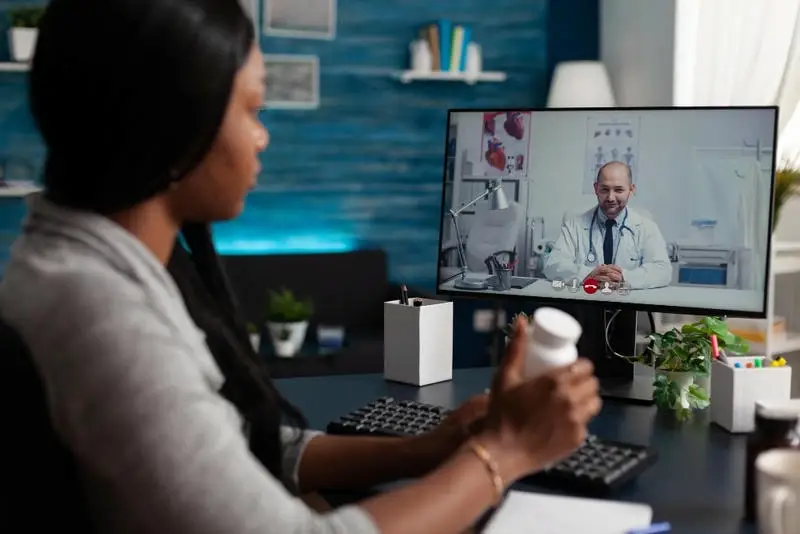
  • Rapid growth in telemedicine and remote care

  • Greater expectations for accuracy and specificity in treatment
     

This approach improves diagnostic precision, treatment success rates, and long-term wellbeing.

How Personalized Healthcare Works: The Components of Individualized Care

Personalized healthcare depends on understanding the unique characteristics of each patient. Modern technology allows clinicians to gather and analyze detailed data, helping them tailor interventions with greater accuracy.

Key components of personalized care include:

  • AI-driven health risk assessments

  • Continuous remote monitoring

  • Customised treatment plans

  • Lifestyle and nutrition coaching

  • Symptom tracking and evaluation

  • Integration of genetic insights where applicable
     

SecondMedic combines these elements through its integrated digital health platform, ensuring convenience and effectiveness.

The Role of AI in Tailored Care Solutions

Artificial intelligence is central to the personalized healthcare revolution. AI models analyze complex medical and lifestyle data, detect patterns invisible to the human eye, and generate personalized recommendations.

AI assists in:

  • Predicting disease risks early

  • Personalizing medication doses

  • Identifying lifestyle triggers

  • Monitoring chronic conditions in real time

  • Improving accuracy of preventive strategies
     

SecondMedic’s AI-driven tools provide actionable insights, enabling patients and doctors to make informed decisions.

Benefits of Personalized Healthcare for Indian Patients

Personalized healthcare offers numerous advantages, especially in a country with diverse health needs and high chronic disease burden.

Key benefits include:

  • Early risk detection

  • Reduced diagnostic errors

  • More effective treatment pathways

  • Better medication response

  • Higher patient engagement

  • Ongoing preventive support

  • Lower long-term healthcare costs
     

By shifting the focus from reactive treatment to proactive care, personalized healthcare improves quality of life significantly.

Personalized Healthcare for Chronic Disease Management

Chronic diseases require continuous monitoring, regular adjustments, and lifestyle modifications. Personalized solutions optimize the process.

SecondMedic supports chronic patients through:

  • Remote vitals monitoring

  • Digital health tracking

  • Customized diet and exercise plans

  • Regular virtual consultations

  • Tailored medication schedules

  • AI-based early-warning alerts
     

This helps patients manage their conditions more effectively and avoid complications.

How SecondMedic Delivers Personalized Healthcare Solutions

SecondMedic’s model is designed to understand each patient deeply and provide recommendations aligned with their real-life needs.

Steps in the personalized care journey:

  1. AI-driven assessment of lifestyle, symptoms, medical history, and lab markers

  2. Personalized treatment planning with specialist input

  3. Integration of remote monitoring devices

  4. Digital health reports and preventive guidance

  5. Regular follow-ups and plan adjustments

  6. Access to nutritionists, physiotherapists, and wellness experts
     

This ecosystem ensures that every patient receives the care best suited to them.

Personalized Healthcare and Preventive Wellness

Prevention becomes easier and more effective when recommendations are targeted. Instead of generic advice, users receive guidance based on their specific risk profile.

SecondMedic’s preventive tools provide:

  • Annual full-body screenings

  • Disease risk scoring

  • Stress and sleep assessments

  • Lifestyle optimization plans

  • Routine monitoring of health trends
     

Personalized preventive care helps individuals stay healthier for longer.

Future of Personalized Healthcare in India

India is rapidly moving towards precision medicine and individualized digital care. Over the next decade, several trends will reinforce this shift:

  • Integration of genomics into mainstream care

  • AI-powered early-warning systems

  • Personalized nutrition based on biomarkers

  • Adaptive chronic disease programs

  • Nationwide digital health adoption through ABDM

  • Increased use of connected health devices
     

SecondMedic is committed to shaping this future with advanced, patient-centric tools that support long-term wellness.

Conclusion

Personalized healthcare solutions are transforming medical care in India by acknowledging the uniqueness of every individual. Through AI-driven analysis, customized treatment plans, remote monitoring, and preventive strategies, SecondMedic provides a comprehensive personalized care ecosystem.

To begin your personalized health journey, visit www.secondmedic.com

References

  1. NITI Aayog – Personalised Healthcare and Digital Health Report

  2. ICMR – Chronic Disease Patterns in India 2024

  3. IMARC – Indian Healthcare Market Trends 2025

  4. WHO – Precision Medicine Guidelines

  5. FICCI – Personalized Medicine India Study
Read FAQs


A. They involve creating tailored medical plans based on an individual’s health profile, lifestyle, lab findings, and risk factors.

A. India’s diverse health risks require unique care strategies rather than one-size-fits-all treatments.

A. By using AI assessments, digital records, symptom analysis, and continuous monitoring to design customized plans.

A. Diabetes, hypertension, thyroid disorders, heart disease, obesity, and lifestyle-linked conditions.

A. Yes. It increases accuracy, reduces complications, and supports preventive health habits.

Read Blog
Flexible

Flexible Work Schedules with Telehealth Support: A Smarter Approach to Employee Wellbeing

The modern workplace is undergoing a significant transformation. Rigid office hours and traditional healthcare access models are giving way to flexible work schedules and digital health solutions. One of the most impactful combinations emerging in corporate wellness is flexible work schedules with telehealth support.

This integrated approach addresses two critical challenges faced by today’s workforce: work-life imbalance and delayed healthcare access.


Why Workplace Health Models Need to Change

According to NITI Aayog and EY-FICCI workforce reports, Indian employees face rising levels of:

  • work-related stress
     

  • lifestyle diseases
     

  • burnout
     

  • absenteeism
     

Long working hours, commuting stress and limited time for medical visits worsen health outcomes. Flexible work arrangements and telehealth support directly address these gaps.


What Are Flexible Work Schedules?

Flexible work schedules allow employees to:

  • adjust start and end times
     

  • work remotely or in hybrid formats
     

  • manage personal commitments alongside work
     

Flexibility empowers employees to align work with their physical and mental health needs.


Understanding Telehealth Support

Telehealth uses digital platforms to deliver healthcare services such as:

  • online doctor consultations
     

  • follow-up care
     

  • preventive health advice
     

  • mental health support
     

It eliminates geographical and time barriers to healthcare.


Why Combining Flexibility with Telehealth Works

Individually, flexibility and telehealth are beneficial. Together, they create a powerful wellness ecosystem.

This combination allows employees to:

  • consult doctors without taking leave
     

  • manage chronic conditions proactively
     

  • address early symptoms promptly
     

  • reduce healthcare delays


Health Benefits for Employees

Reduced Stress and Burnout

Flexible schedules reduce time pressure, while telehealth removes healthcare-related anxiety.


Improved Access to Preventive Care

Employees are more likely to seek early consultations when care is convenient.


Better Management of Chronic Conditions

Conditions like hypertension, diabetes and thyroid disorders require regular follow-up, which telehealth supports efficiently.


Enhanced Mental Wellbeing

Tele-mental health services enable confidential and timely support.


Improved Work-Life Balance

Employees can prioritise health without compromising job responsibilities.


Productivity Benefits for Employers

Reduced Absenteeism

Quick access to care reduces prolonged sick leave.


Improved Employee Engagement

Health-supported employees show higher motivation and loyalty.


Lower Healthcare Costs

Preventive care reduces long-term medical claims.


Strong Employer Branding

Wellness-focused policies attract and retain talent.


Evidence Supporting Flexible Work and Telehealth

According to WHO and Lancet workplace health studies:

  • flexible work reduces stress-related disorders
     

  • telehealth improves healthcare utilisation
     

  • preventive care lowers chronic disease burden
     

Indian corporate data mirrors these findings, especially in hybrid work environments.


Role in Preventive Healthcare

Preventive healthcare focuses on early risk identification and lifestyle management.

Flexible schedules with telehealth support:

  • encourage routine checkups
     

  • support ongoing health monitoring
     

  • enable early intervention
     

This aligns with India’s preventive healthcare priorities outlined by NITI Aayog.


Addressing Common Concerns

Productivity Loss Myth

Multiple studies show flexible work improves output rather than reducing it.


Quality of Telehealth

Telehealth is effective for most primary care and follow-up needs.


Data Security

Modern telehealth platforms follow strict privacy and data protection standards.


Ideal Use Cases in the Workplace

This model is particularly effective for:

  • IT and corporate offices
     

  • remote and hybrid teams
     

  • organisations with distributed workforce
     

  • high-stress work environments


Implementation Best Practices

To maximise impact:

  • set clear flexibility guidelines
     

  • integrate telehealth access into HR benefits
     

  • promote preventive consultations
     

  • track wellness metrics
     

Leadership support is key to adoption.


Long-Term Organisational Impact

Organisations adopting this model report:

  • improved employee health indicators
     

  • reduced burnout
     

  • stronger workplace culture
     

  • sustainable productivity gains
     

Wellbeing becomes a strategic advantage.


Conclusion

Flexible work schedules with telehealth support represent the future of employee wellbeing. By removing barriers to healthcare access and allowing employees control over their work routines, this approach promotes preventive care, reduces stress and enhances productivity. As workplaces evolve, integrating flexibility with digital health support is not just an employee benefit—it is a strategic investment in long-term organisational health and resilience.


References

  • World Health Organization (WHO) – Workplace Health Promotion Framework

  •  Indian Council of Medical Research (ICMR) – Lifestyle Disease and Workforce Health Studies

  • NITI Aayog – Digital Health and Workplace Wellness Reports

  • Lancet – Telehealth and Workforce Productivity Research

  • EY-FICCI – Corporate Wellness and Future of Work Reports

  • Statista – Telehealth Adoption and Workforce Trends

See all

Live Doctor consultation
Live Doctor Chat

Download Our App & Get Consultation from anywhere.

App Download
call icon for mobile number calling and whatsapp at secondmedic