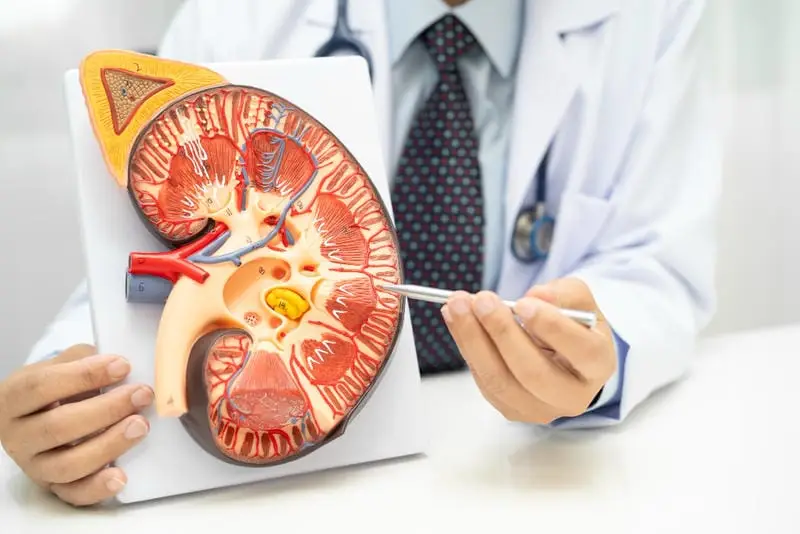
Kidney stones are a common urinary tract condition affecting millions of people worldwide. In India, rising dehydration, dietary changes and sedentary lifestyles have contributed to an increasing number of kidney stone cases. Recognising kidney stone symptoms early is essential to prevent complications such as infection, obstruction and kidney damage.
Kidney stones often announce themselves dramatically, but in some cases, symptoms may be subtle until the stone moves.
What Are Kidney Stones?
Kidney stones are hard mineral deposits that form in the kidneys when urine becomes concentrated.
They are composed of:
-
calcium oxalate or calcium phosphate
-
uric acid
-
struvite
-
cystine
The type and size of the stone influence symptoms and severity.
Why Kidney Stone Symptoms Occur
Symptoms usually develop when:
-
the stone moves within the kidney
-
the stone enters the ureter
-
urine flow becomes obstructed
This movement causes irritation and intense muscle spasm.
Early Kidney Stone Symptoms
Sudden Flank Pain
The most classic symptom is severe pain in:
-
the side of the lower back
-
below the ribs
Pain often starts suddenly and intensifies quickly.
Pain That Radiates
As the stone moves, pain may shift to:
-
the lower abdomen
-
the groin area
This changing pain location is characteristic of kidney stones.
Nature of Kidney Stone Pain
Kidney stone pain, known as renal colic, is:
-
sharp and severe
-
comes in waves
-
fluctuates in intensity
Many patients describe it as one of the most painful experiences.
Urinary Symptoms of Kidney Stones
Burning During Urination
Stones irritate the urinary tract lining, causing discomfort while passing urine.
Frequent Urge to Urinate
Even small amounts of urine may trigger urgency.
Blood in Urine
Urine may appear:
-
pink
-
red
-
brown
Blood is caused by stone-induced injury to the urinary tract.
Digestive Symptoms Associated with Kidney Stones
Due to shared nerve pathways, kidney stone pain can trigger:
-
nausea
-
vomiting
-
loss of appetite
These symptoms often accompany severe pain episodes.
Fever and Infection-Related Symptoms
Fever and chills suggest infection.
This is a medical emergency and may indicate:
-
infected obstructed kidney
-
risk of sepsis
ICMR guidelines stress urgent treatment in such cases.
Silent Kidney Stones
Some stones remain asymptomatic, especially when:
-
they are small
-
they do not obstruct urine flow
These stones are often discovered incidentally during imaging.
Kidney Stone Symptoms in Men vs Women
While symptoms are similar:
-
men report more severe flank pain
-
women may have symptoms mimicking urinary infections
Misdiagnosis can delay treatment in women.
Kidney Stones and Reduced Urine Output
Large stones can block urine flow, causing:
-
reduced urination
-
pressure buildup
-
kidney damage if untreated
This requires immediate medical evaluation.
Risk Factors That Increase Symptom Severity
Symptoms are more likely with:
-
dehydration
-
high salt intake
-
high animal protein consumption
-
obesity
-
family history
NFHS-5 data highlights dehydration as a major contributor in India.
How Kidney Stone Symptoms Are Diagnosed
Diagnosis includes:
-
urine examination
-
blood tests
-
ultrasound
-
CT scan for precise stone detection
Early diagnosis guides effective treatment.
Complications If Symptoms Are Ignored
Untreated kidney stones can lead to:
-
recurrent infections
-
kidney swelling
-
permanent kidney damage
Lancet studies link delayed care with worse outcomes.
When to Seek Immediate Medical Care
Urgent care is required if:
-
pain is unbearable
-
fever or chills develop
-
vomiting persists
-
urine output decreases
Prompt intervention prevents complications.
Preventive Awareness and Early Detection
Preventive strategies include:
-
adequate hydration
-
dietary modification
-
regular health checkups
NITI Aayog emphasises early detection to reduce surgical burden.
Living With a History of Kidney Stones
People with past stones have higher recurrence risk.
Monitoring includes:
-
periodic imaging
-
urine analysis
-
metabolic evaluation
Prevention is as important as treatment.
Role of Preventive Health Checkups
Routine screening helps identify:
-
silent stones
-
metabolic risk factors
-
early kidney changes
Preventive care reduces emergencies.
Conclusion
Kidney stone symptoms range from mild urinary discomfort to severe, disabling pain. Sudden flank pain, urinary changes, nausea and fever are key warning signs that should never be ignored. Early recognition and timely medical care can prevent serious complications and protect kidney health. With increasing lifestyle-related risk factors, awareness of kidney stone symptoms is essential for early action and long-term prevention.
References
- Indian Council of Medical Research (ICMR) – Kidney Stone and Renal Health Reports
- National Family Health Survey (NFHS-5) – Hydration and Kidney Disease Data
- World Health Organization (WHO) – Urinary Tract and Kidney Health Guidelines
- Lancet – Renal Stone Disease and Clinical Outcomes
- NITI Aayog – Non-Communicable Disease Prevention Reports
- Statista – Kidney Stone Prevalence and Treatment Trends