• Published on: Sep 10, 2025
  • 1 minute read
  • By: Secondmedic Expert

Is Online Second Opinion Reliable In India?

  • WhatsApp share link icon
  • copy & share link icon
  • twitter share link icon
  • facebook share link icon

Healthcare decisions are some of the most important choices in life, especially when dealing with complex diseases, surgeries, or lifelong treatments. In such situations, patients often feel the need for a second medical opinion. With the growth of digital healthcare, many people now ask: Is online second opinion reliable in India?

The Growing Need for Second Opinions

India’s healthcare system is vast, but it can be confusing for patients. Different doctors may suggest different treatments, especially in serious cases like cancer, heart disease, or rare illnesses. This uncertainty makes second opinions crucial.

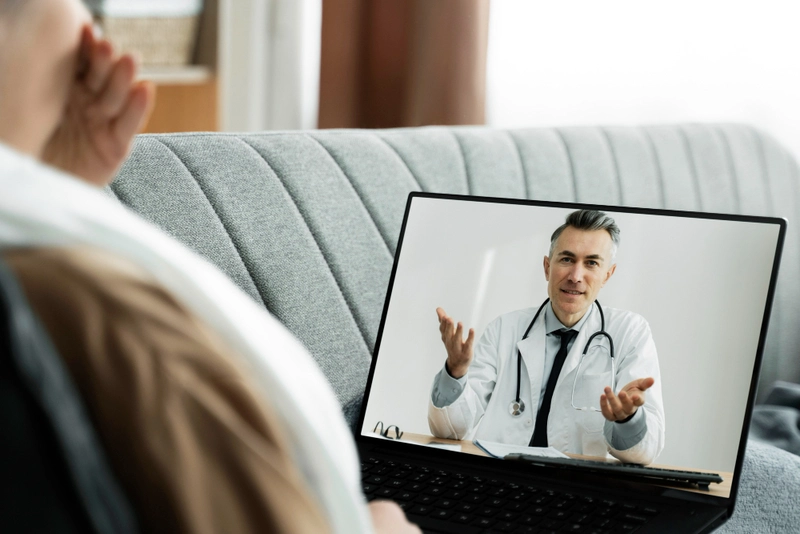
Traditionally, patients had to travel to multiple hospitals for another consultation. Now, with technology, they can simply upload reports and connect with experts online.

Why Online Second Opinion Is Reliable

1. Access to Top Experts
Platforms like SecondMedic connect patients with experienced doctors across India and abroad. Even if you live in a small town, you can consult specialists who otherwise may not be available locally.

2. Saves Time and Effort
No need to travel or wait for hours. Reports are shared online, and doctors provide guidance within a short time frame.

3. Accurate and Unbiased Advice
Since second opinion doctors are not your primary physicians, their advice is unbiased. They focus only on your reports and best treatment options.

4. Useful for Rare Diseases
Many rare diseases go undiagnosed or misdiagnosed due to lack of expertise. Online second opinions help connect you with doctors who specialize in such cases.

5. Privacy and Data Security
One concern patients have is about sharing reports online. Trusted platforms like SecondMedic use secure servers and encryption to keep your health data safe.

Conditions That Often Require Second Opinions

  • Cancer diagnoses and treatment plans
     

  • Heart surgery recommendations
     

  • Organ transplant cases
     

  • Neurological disorders
     

  • Rare or genetic diseases
     

  • Unclear or conflicting medical advice
     

Benefits for Patients and Families

  • Peace of mind that the diagnosis is correct
     

  • Confidence in treatment decisions
     

  • Avoidance of unnecessary surgeries or treatments
     

  • Better understanding of all available options
     

Limitations to Consider

While online second opinions are highly reliable, they do not completely replace physical examinations when needed. In some cases, your doctor may still advise in-person tests or imaging.

Conclusion

Online second opinions are becoming a trusted and reliable solution in India. With expert doctors, transparent advice, and secure platforms like SecondMedic, patients no longer have to feel confused about their diagnosis or treatment.

If you are ever in doubt about a medical decision, don’t hesitate—book your online second opinion today and make informed choices for your health.

Read FAQs


A. Yes, if taken from certified doctors and trusted platforms like SecondMedic.

A. Not always. They complement primary care and help patients make better decisions.

A. Rare diseases, cancer, surgeries, or when you are unsure about your first diagnosis.

A. Reputed platforms list only verified and experienced doctors.

A. Yes, platforms like SecondMedic follow strict privacy and security standards.

Read Blog
sleep

How Lack of Sleep Weakens Immunity: Why Poor Sleep Makes You Fall Sick More Often

Sleep is one of the most powerful yet overlooked pillars of health. While nutrition and exercise receive significant attention, sleep often takes a back seat in modern lifestyles. Understanding how lack of sleep weakens immunity reveals why people who sleep poorly fall sick more often, take longer to recover and experience chronic inflammation.

In India, late-night work culture, excessive screen time and irregular schedules have made sleep deprivation increasingly common across age groups.


The Link Between Sleep and the Immune System

The immune system relies on sleep for:

  • repair and regeneration

  • immune cell production

  • inflammation control

During deep sleep, the body releases cytokines and antibodies that protect against infections.


What Happens to Immunity During Sleep

While sleeping:

  • immune cells identify pathogens

  • inflammatory responses are regulated

  • memory T-cells strengthen immune memory

This nightly process prepares the body to fight infections effectively.


How Sleep Deprivation Disrupts Immune Function

When sleep is inadequate:

  • immune cell activity decreases

  • antibody production drops

  • inflammation increases

WHO studies confirm that sleep deprivation weakens immune defence mechanisms.


Increased Risk of Infections

People who sleep less than 6 hours regularly:

  • fall sick more often

  • catch colds and flu easily

  • recover slower from illness

Lancet research shows a strong link between sleep duration and infection susceptibility.


Impact on Inflammation

Poor sleep increases inflammatory markers.

Chronic inflammation:

  • weakens immune response

  • increases risk of chronic diseases

ICMR reports highlight sleep deprivation as a contributor to low-grade systemic inflammation.


Effect on Vaccine Response

Sleep quality affects how well vaccines work.

Studies show:

  • poor sleep reduces antibody response

  • adequate sleep improves vaccine effectiveness

Sleep is essential for immune memory formation.


Hormonal Changes That Affect Immunity

Sleep regulates hormones such as:

  • cortisol

  • melatonin

Lack of sleep increases cortisol, which suppresses immune function.


Stress, Sleep and Immunity

Sleep deprivation and stress reinforce each other.

High stress:

  • disrupts sleep

  • suppresses immune cells

This cycle weakens overall resistance to illness.


Impact on Gut Immunity

The gut hosts a major part of the immune system.

Poor sleep:

  • disrupts gut microbiome

  • weakens gut immunity

Lancet studies link sleep deprivation to gut-related immune dysfunction.


Why Children and Older Adults Are More Vulnerable

Sleep deprivation affects:

  • children’s developing immune systems

  • older adults’ already weakened immunity

Adequate sleep is especially important in these age groups.


Signs Your Immunity Is Affected by Poor Sleep

Warning signs include:

  • frequent infections

  • slow wound healing

  • constant fatigue

  • increased allergies

These symptoms indicate compromised immune defence.


Long-Term Health Risks of Poor Sleep

Chronic sleep deprivation increases risk of:

  • infections

  • autoimmune disorders

  • metabolic diseases

  • heart disease

Sleep loss affects nearly every body system.


Role of Preventive Health Awareness

Preventive healthcare emphasises:

  • sleep as a foundation of immunity

  • early lifestyle correction

NITI Aayog recognises sleep hygiene as essential for population health.


How to Improve Sleep for Better Immunity

Effective strategies include:

  • fixed sleep and wake times

  • limiting screen exposure before bed

  • avoiding caffeine late in the day

  • creating a dark, quiet sleep environment

Consistency matters more than duration alone.


Myths About Sleep and Immunity

Myth: You can catch up on sleep later
Fact: Chronic sleep debt harms immunity.

Myth: Sleeping pills improve immunity
Fact: Natural sleep is more beneficial.


Why Sleep Is a Preventive Medicine

Sleep:

  • costs nothing

  • requires no equipment

  • delivers powerful immune protection

It is one of the most effective preventive health tools.


Conclusion

Understanding how lack of sleep weakens immunity highlights the critical role of sleep in protecting the body from infections and chronic disease. Poor sleep disrupts immune cell function, increases inflammation and reduces resistance to illness. Prioritising consistent, quality sleep is not optional—it is essential for strong immunity, faster recovery and long-term health. Protecting sleep today strengthens immune defence for tomorrow.


References

  • Indian Council of Medical Research (ICMR) – Sleep, Immunity and Inflammation Studies

  • World Health Organization (WHO) – Sleep and Immune Health Guidelines

  • National Institutes of Health – Sleep Deprivation and Immunity

  • Lancet – Sleep Duration and Infection Risk

  • NITI Aayog – Preventive Health and Lifestyle Recommendations

See all

Live Doctor consultation
Live Doctor Chat

Download Our App & Get Consultation from anywhere.

App Download
call icon for mobile number calling and whatsapp at secondmedic