- Published on: Apr 26, 2025
- 3 minute read
- By: Secondmedic Expert
How To Relieve Gas Pain: Simple And Effective Ways




Gas pain is a common problem that almost everyone experiences at some point. It can cause bloating, cramps, and a feeling of pressure in your stomach. While it is usually not serious, gas pain can be uncomfortable and even embarrassing. The good news is that there are many simple ways to find relief quickly.
In this article, we will talk about what causes gas pain, how you can prevent it, and most importantly, how to relieve gas pain naturally and effectively.
What Causes Gas Pain?
Gas pain happens when too much air builds up in your stomach or intestines. Several things can cause this, including:
-
Swallowing air: This can happen when you eat or drink too fast, chew gum, or drink carbonated beverages.
-
Eating gas-producing foods: Foods like beans, cabbage, onions, and carbonated drinks can create more gas in your digestive system.
-
Digestive disorders: Conditions like irritable bowel syndrome (IBS), lactose intolerance, or celiac disease can cause excess gas and bloating.
-
Changes in gut bacteria: An imbalance in your gut bacteria can lead to more gas production.
-
Stress and anxiety: Emotional stress can also affect your digestion and cause gas pain.
Understanding what causes your gas pain is the first step to finding relief.
Symptoms of Gas Pain
Common symptoms of gas pain include:
-
Sharp, cramping pains in your stomach or abdomen
-
A feeling of pressure or fullness
-
Bloating and swelling in the stomach
-
Passing gas (flatulence) or burping
Sometimes, gas pain can feel so intense that people mistake it for heart problems. If the pain is severe or comes with other symptoms like fever, vomiting, or blood in your stool, it is important to see a doctor.
How To Relieve Gas Pain Quickly
Here are some easy and natural ways to relieve gas pain:
1. Move Around
Physical activity can help your digestive system work better. Taking a short walk after meals can encourage the movement of gas through your intestines and reduce bloating. Gentle exercises like yoga poses such as "wind-relieving pose" are especially good for releasing trapped gas.
2. Apply Heat
Using a heating pad or warm towel on your stomach can relax your muscles and help gas pass more easily. Heat increases blood flow and can provide quick relief from cramping pains.
3. Drink Herbal Tea
Certain herbal teas are excellent for digestion and gas pain relief. Peppermint tea, ginger tea, and chamomile tea are especially effective. They help calm the muscles of the intestines and allow trapped gas to move through.
4. Try Gentle Abdominal Massage
Massaging your abdomen in a clockwise direction can stimulate your intestines and help gas move through your system. Use gentle, circular motions and a little bit of pressure for a few minutes.
5. Use Over-the-Counter Remedies
There are several over-the-counter medicines that can help relieve gas pain. Products like simethicone (Gas-X) can break up gas bubbles and make them easier to pass. Always follow the instructions and consult a doctor if you have any concerns.
6. Change Your Eating Habits
How you eat is just as important as what you eat. To prevent swallowing extra air:
-
Eat slowly and chew your food well.
-
Avoid drinking through a straw.
-
Don't talk while chewing.
-
Avoid chewing gum or sucking on hard candies.
Eating smaller, more frequent meals can also help ease digestion and reduce gas buildup.
7. Watch What You Eat
Some foods are more likely to cause gas than others. Common culprits include:
-
Beans
-
Lentils
-
Broccoli
-
Cabbage
-
Onions
-
Carbonated drinks
-
Dairy products (for people who are lactose intolerant)
You don't have to avoid these foods completely, but try cutting back and see if your symptoms improve.
8. Stay Hydrated
Drinking enough water helps move food and waste through your digestive system more easily, reducing the chance of gas buildup. Aim for at least 6-8 glasses of water a day.
9. Manage Stress
Stress can cause digestive problems and make gas pain worse. Practice relaxation techniques like deep breathing, meditation, or even just taking a few minutes each day to relax and unwind.
When to See a Doctor
Most of the time, gas pain is harmless and goes away on its own. However, you should see a doctor if:
-
Gas pain is severe and doesn't improve
-
You have other symptoms like vomiting, fever, or blood in your stool
-
You lose weight without trying
-
You experience changes in your bowel habits
These could be signs of a more serious condition that needs medical attention.
Conclusion
Gas pain can be uncomfortable, but it is usually easy to treat with simple lifestyle changes and natural remedies. Moving your body, drinking herbal tea, applying heat, and making small changes to your diet can make a big difference.
If you’re tired of dealing with discomfort, take action today. Try these tips and feel better fast. And remember, if you're looking for more natural and effective solutions, our complete guide on How To Relieve Gas Pain can help you take control of your digestive health and enjoy life without the bloating and cramps!
Read FAQs
A. Gas pain is usually caused by swallowing air, eating gas-producing foods, digestive issues like IBS, or imbalances in gut bacteria.
A. Simple methods like walking, applying a heating pad, drinking herbal tea, or using over-the-counter remedies like simethicone can provide quick gas pain relief.
A. Foods like beans, broccoli, cabbage, onions, carbonated drinks, and dairy products (if lactose intolerant) can cause more gas and should be eaten in moderation.
A. Yes, stress and anxiety can affect digestion and lead to gas buildup, bloating, and stomach cramps.
A. If your gas pain is severe, lasts a long time, or comes with symptoms like vomiting, fever, weight loss, or blood in stool, you should consult a doctor.

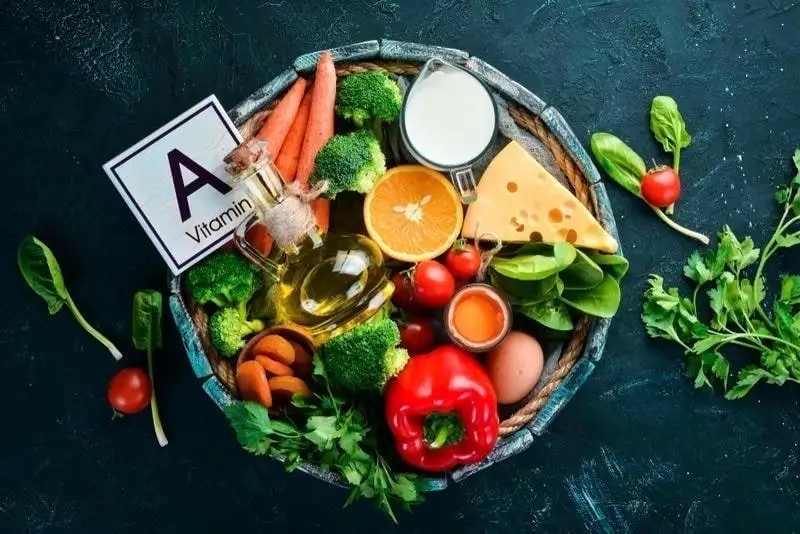
Role of Nutrition in Disease Prevention: How Food Choices Shape Long-Term Health
Disease prevention is no longer limited to vaccinations and medical screenings. Modern healthcare increasingly recognises nutrition as one of the most powerful tools for preventing illness before it begins. The role of nutrition in disease prevention is especially important in India, where lifestyle-related diseases account for a large share of premature illness and mortality.
According to the Indian Council of Medical Research (ICMR) and the National Family Health Survey (NFHS-5), poor dietary patterns contribute significantly to rising cases of diabetes, heart disease, obesity and hypertension. Unlike genetic factors, nutrition is a modifiable risk factor, meaning everyday food choices can actively protect health.
Why Nutrition Is Central to Disease Prevention
1. Nutrition regulates metabolic health
Balanced diets help maintain:
-
healthy blood sugar levels
-
optimal cholesterol balance
-
stable blood pressure
Disruption in these systems increases disease risk.
2. Nutrition strengthens immunity
WHO highlights that immune function depends heavily on adequate intake of vitamins, minerals and protein.
3. Nutrition controls inflammation
Chronic low-grade inflammation is linked to most lifestyle diseases. Diets rich in whole foods reduce inflammatory markers.
Major Diseases Influenced by Nutrition
Diabetes and Prediabetes
Excess refined carbohydrates and sugar drive insulin resistance.
Preventive nutrition focuses on:
-
whole grains
-
fibre-rich vegetables
-
adequate protein
-
controlled portion sizes
ICMR data shows that dietary modification can delay or prevent type 2 diabetes in high-risk individuals.
Cardiovascular Disease
Heart disease remains a leading cause of death in India.
Nutrition impacts:
-
cholesterol levels
-
blood pressure
-
arterial inflammation
Diets low in trans fats and high in fibre significantly reduce cardiovascular risk, as confirmed by WHO and Lancet studies.
Obesity
Obesity increases the risk of multiple chronic diseases.
Preventive nutrition addresses:
-
calorie density
-
food quality
-
satiety regulation
NFHS-5 reports a steady rise in overweight and obesity across age groups.
Hypertension
High sodium intake and low potassium intake contribute to high blood pressure.
Preventive dietary strategies include:
-
reducing processed foods
-
increasing fruits and vegetables
-
maintaining mineral balance
Certain Cancers
Diet influences cancer risk through:
-
antioxidant intake
-
fibre consumption
-
reduced exposure to carcinogenic compounds
WHO estimates that a significant percentage of cancers are preventable through diet and lifestyle changes.
Key Nutrients That Support Disease Prevention
Fibre
Supports gut health, blood sugar control and cholesterol reduction.
Protein
Essential for muscle health, immune function and metabolic balance.
Healthy Fats
Omega-3 fats reduce inflammation and protect heart health.
Micronutrients
Iron, zinc, vitamin D and B vitamins are essential for metabolic and immune regulation.
NFHS-5 highlights widespread micronutrient deficiencies in India, increasing disease vulnerability.
Role of Gut Health in Prevention
The gut microbiome plays a major role in:
-
immune regulation
-
inflammation control
-
nutrient absorption
Fermented foods and fibre-rich diets support healthy gut bacteria, strengthening disease resistance.
Why Preventive Nutrition Works Best Early
Nutrition is most effective when applied:
-
before disease onset
-
during pre-disease stages
-
alongside regular health screening
Once disease progresses, nutrition remains supportive but may not reverse damage fully.
Nutrition vs Medication in Prevention
Medication treats disease; nutrition reduces risk.
WHO and NITI Aayog emphasize that:
-
preventive nutrition reduces disease incidence
-
lifestyle modification lowers healthcare burden
-
early nutrition changes reduce dependency on long-term medication
Both approaches work best when combined appropriately.
Workplace and Community Role in Preventive Nutrition
Structured nutrition programs at workplaces and communities:
-
improve awareness
-
support behaviour change
-
reduce population-level disease burden
Lancet studies show that group-based nutrition interventions improve long-term adherence.
Common Myths About Nutrition and Disease Prevention
Myth 1: Supplements replace healthy food
Whole foods provide better long-term protection.
Myth 2: Prevention requires extreme diets
Consistency matters more than restriction.
Myth 3: Nutrition only matters after diagnosis
Early nutrition is most effective before disease develops.
Building a Preventive Nutrition Routine
Effective preventive nutrition includes:
-
regular meals
-
diverse food groups
-
portion awareness
-
minimal processed foods
-
hydration
Small daily choices compound into long-term health benefits.
Long-Term Impact of Preventive Nutrition
Consistent healthy eating leads to:
-
reduced disease risk
-
improved energy and productivity
-
better immune resilience
-
lower healthcare costs
-
improved quality of life
NITI Aayog identifies nutrition as a cornerstone of sustainable healthcare systems.
Conclusion
Understanding the role of nutrition in disease prevention empowers individuals to take control of their health long before illness develops. Balanced, consistent nutrition reduces inflammation, supports immunity and protects against chronic diseases that burden India’s healthcare system. Preventive nutrition is not about short-term fixes but about building lifelong habits that support health, resilience and longevity.
References
-
ICMR – Nutrition and Lifestyle Disease Prevention Reports
-
National Family Health Survey (NFHS-5) – Dietary and Metabolic Health Data
-
NITI Aayog – Preventive Healthcare and Nutrition Strategy Reports
-
WHO – Diet, Nutrition and Chronic Disease Prevention Guidelines
-
Lancet – Nutrition and Disease Risk Reduction Studies
-
Statista – Dietary Trends and Health Outcomes India
-
EY-FICCI – Preventive Healthcare and Nutrition Economics
Our Services
Request A Callback
Recent Posts



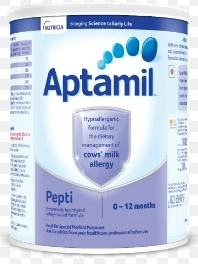
Aptamil Pepti Infant Formula 0 to 12 Months Tin 400gm
Brand: Nutricia International Private Limited
₹2000.00₹1960.00
View Details


Neocate LCP Infant Formula Powder 400GM
Brand: Nutricia International Private Limited
₹3300.00₹3234.00
View Details
Web Stories


Popular Lab Test






Live Doctor consultation
Live Doctor Chat

Fees ₹99
General Physician
Fees ₹99
General Physician
Fees ₹99
General Physician

Dr. Syed Mukhtar Mohiuddin
MBBS, MD , Fellowship in Diabetes Mellitus (UK)
- 7 Years
- English
Available at 00:00 to 07:00
Fees ₹99
General Physician
Fees ₹99
General Physician
Download Our App & Get Consultation from anywhere.