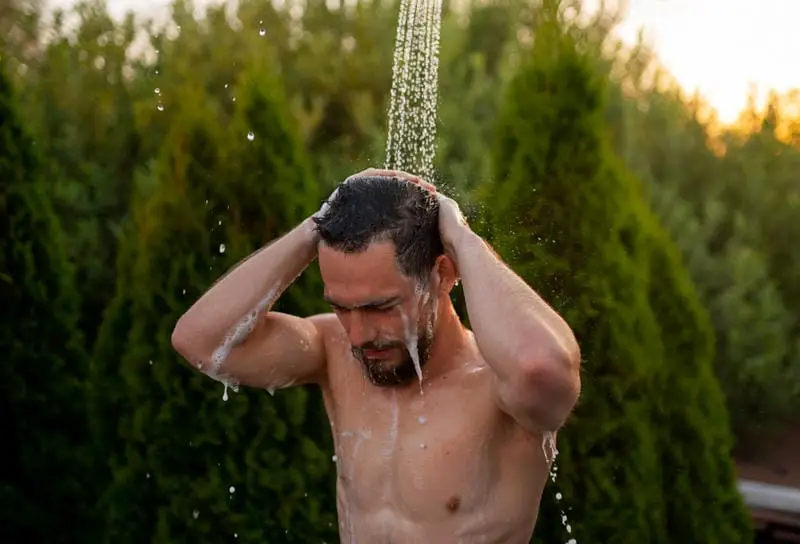
Cold showers have gained popularity as a wellness practice, often promoted for boosting energy, improving immunity and enhancing recovery. From athletes to wellness enthusiasts, many people are experimenting with cold water exposure. But how exactly do cold showers influence the body, and are they truly beneficial for everyone? Understanding how cold showers affect health requires a balanced look at physiology, benefits and potential risks.
What Happens to the Body During a Cold Shower?
When cold water hits the skin, the body experiences a sudden temperature shock. This activates the sympathetic nervous system, also known as the “fight or flight” response.
Immediate responses include:
-
rapid breathing
-
increased heart rate
-
constriction of blood vessels
-
heightened alertness
These responses are the body’s attempt to maintain core temperature.
Effects on Blood Circulation
Cold water causes blood vessels near the skin to constrict. To protect vital organs, blood is redirected inward.
After the shower:
-
blood vessels dilate again
-
circulation improves temporarily
This alternating constriction and dilation may help improve vascular tone and circulation efficiency over time.
Impact on Energy and Alertness
Cold showers stimulate the nervous system, leading to:
-
increased adrenaline release
-
heightened alertness
-
reduced feelings of fatigue
Many people report feeling more awake and focused after a cold shower, making it popular as a morning routine.
Influence on Mental Health and Mood
Cold exposure activates neurotransmitters such as:
-
norepinephrine
-
dopamine
These chemicals are linked to improved mood and mental clarity. Some studies suggest cold showers may help reduce mild depressive symptoms, though they are not a substitute for medical treatment.
Cold Showers and Stress Adaptation
Regular, controlled exposure to cold acts as a mild stressor. Over time, this may improve the body’s ability to cope with stress.
Benefits may include:
-
improved stress resilience
-
better emotional regulation
-
reduced perceived stress
WHO recognises stress adaptation as an important component of mental wellbeing.
Effects on Muscle Recovery and Inflammation
Athletes often use cold water therapy to aid recovery.
Cold showers may:
-
reduce muscle soreness
-
decrease inflammation
-
limit swelling after intense exercise
Lancet sports medicine studies indicate cold exposure may help with short-term recovery, though excessive use may interfere with muscle growth if overdone.
Immune System Response
Some research suggests cold showers may:
-
stimulate immune cells
-
increase white blood cell activity
However, evidence remains mixed. While cold exposure may support immune responsiveness, it does not prevent infections on its own.
Metabolic Effects
Cold exposure increases energy expenditure as the body works to maintain temperature.
This may:
-
activate brown fat
-
slightly increase calorie burn
However, cold showers are not a weight loss solution and should not replace healthy diet and exercise.
Potential Benefits for Skin and Hair
Cold water causes pores to temporarily tighten.
Possible effects include:
-
reduced water loss from skin
-
improved scalp circulation
However, long-term skin benefits depend more on overall skincare and nutrition.
Risks and Side Effects of Cold Showers
Cold showers are not suitable for everyone.
Potential risks include:
-
sudden blood pressure changes
-
breathing difficulty
-
dizziness
-
heart rhythm disturbances
People with underlying medical conditions should be cautious.
Who Should Avoid Cold Showers?
Cold showers may be risky for individuals with:
-
heart disease
-
uncontrolled hypertension
-
asthma or respiratory disorders
-
Raynaud’s phenomenon
Medical advice is essential for these groups.
Cold Showers vs Warm Showers
Warm showers:
-
relax muscles
-
improve sleep
-
reduce joint stiffness
Cold showers:
-
increase alertness
-
stimulate circulation
-
reduce soreness
The choice depends on health goals and individual tolerance.
How to Use Cold Showers Safely
Safe practices include:
-
starting with lukewarm water
-
gradually lowering temperature
-
limiting duration to 30–60 seconds initially
-
avoiding full cold exposure when ill
Gradual adaptation reduces shock.
Role in Preventive Health
Cold showers can complement preventive health strategies by:
-
encouraging resilience
-
supporting circulation
-
promoting mindfulness
They should be part of a broader healthy lifestyle, not a standalone intervention.
What Medical Science Says
ICMR and WHO emphasise moderation and individualised health practices. Cold exposure may offer benefits, but evidence does not support extreme or prolonged exposure for the general population.
When to Seek Medical Advice
Consult a healthcare professional if experiencing:
-
dizziness
-
chest discomfort
-
breathing difficulty
-
excessive fatigue after cold exposure
Listening to the body is essential.
Conclusion
Understanding how cold showers affect health reveals both potential benefits and important limitations. Cold showers can improve alertness, circulation and recovery when practised safely and moderately. However, they are not suitable for everyone and may pose risks for individuals with certain medical conditions. Like any wellness practice, cold showers should be approached thoughtfully, with attention to personal health status and medical guidance. Balance, moderation and awareness are key to harnessing their benefits safely.
References
- World Health Organization (WHO) – Cold Exposure and Stress Physiology Reports
- Indian Council of Medical Research (ICMR) – Lifestyle and Cardiovascular Health Studies
- Lancet – Cold Water Immersion and Recovery Research
- NITI Aayog – Preventive Health and Lifestyle Interventions
- Statista – Wellness and Cold Therapy Trends