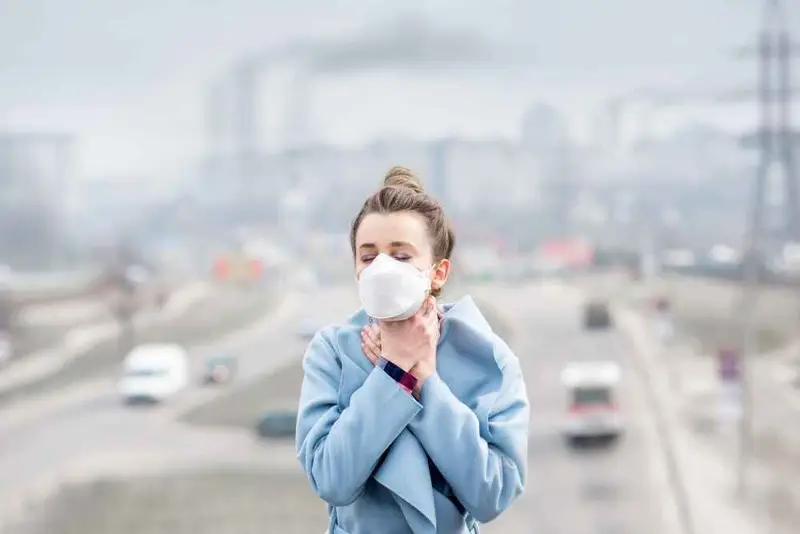
Air pollution has become one of the most serious public health challenges worldwide. In India, rapid urbanisation, industrial activity, vehicular emissions and seasonal pollution spikes have led to dangerously poor air quality in many regions. Understanding how air pollution impacts respiratory health is essential because breathing polluted air directly affects the lungs every single day.
According to the World Health Organization (WHO), air pollution is responsible for millions of premature deaths annually, with respiratory diseases being one of the leading outcomes. The lungs act as the primary entry point for pollutants, making the respiratory system especially vulnerable.
What Is Air Pollution?
Air pollution consists of harmful substances suspended in the air, including:
-
particulate matter (PM2.5 and PM10)
-
nitrogen dioxide
-
sulphur dioxide
-
ozone
-
carbon monoxide
-
toxic chemicals and allergens
These pollutants are inhaled deep into the lungs with every breath.
How Pollutants Enter and Damage the Respiratory System
When polluted air is inhaled:
-
particles bypass natural nasal filters
-
toxins reach the bronchial tubes and lungs
-
inflammation begins in airway lining
Fine particles (PM2.5) penetrate deep into lung tissue and may even enter the bloodstream.
Immediate Effects on Respiratory Health
Airway Irritation
Pollutants irritate the lining of the respiratory tract, causing:
-
coughing
-
throat irritation
-
chest tightness
-
wheezing
These symptoms often worsen on high pollution days.
Reduced Lung Function
Short-term exposure reduces:
-
lung capacity
-
oxygen exchange efficiency
Even healthy individuals may feel breathless during pollution peaks.
Long-Term Respiratory Damage
Chronic Inflammation
Continuous exposure keeps airways inflamed, leading to:
-
persistent cough
-
mucus overproduction
-
airway narrowing
Chronic inflammation is a precursor to long-term lung disease.
Increased Risk of Asthma
Air pollution:
-
triggers asthma attacks
-
increases asthma severity
-
contributes to new asthma development
Children exposed to pollution are at higher risk of lifelong asthma.
Chronic Obstructive Pulmonary Disease (COPD)
Prolonged exposure damages lung tissue and airways, increasing the risk of COPD even in non-smokers.
Lung Infections
Pollution weakens natural lung defenses.
This leads to:
-
frequent respiratory infections
-
prolonged recovery
-
higher risk of pneumonia and bronchitis
ICMR studies link pollution exposure with increased infection rates.
Impact on Vulnerable Populations
Children
Children breathe faster and inhale more pollutants relative to body size.
Effects include:
-
impaired lung development
-
increased respiratory infections
-
long-term lung function reduction
Elderly Individuals
Age-related decline combined with pollution increases:
-
breathlessness
-
hospital admissions
-
mortality risk
People with Existing Lung Disease
Individuals with asthma, COPD or bronchitis experience:
-
more frequent flare-ups
-
worsening symptoms
-
reduced quality of life
Pollution and Immune Defense of the Lungs
Air pollution impairs immune cells in the lungs.
This results in:
-
reduced ability to clear pathogens
-
higher susceptibility to viral and bacterial infections
Polluted air essentially lowers respiratory immunity.
Seasonal Pollution Peaks and Respiratory Health
In India, pollution worsens during:
-
winter months
-
crop residue burning periods
-
high traffic seasons
These spikes correspond with increased respiratory illness cases.
Symptoms That Suggest Pollution-Related Lung Damage
-
persistent cough
-
frequent chest infections
-
breathlessness on mild exertion
-
wheezing
-
reduced exercise tolerance
Ignoring these signs can lead to chronic disease.
Preventive Measures to Protect Respiratory Health
Reduce Exposure
-
limit outdoor activity during high pollution
-
avoid heavy traffic areas
-
use air quality index (AQI) alerts
Improve Indoor Air Quality
-
ventilate rooms properly
-
avoid indoor smoke sources
-
use air purifiers if needed
Strengthen Lung Health
-
stay physically active indoors
-
practice breathing exercises
-
maintain good nutrition and hydration
Protective Measures
-
wear appropriate masks during severe pollution
-
protect children and elderly from exposure
Role of Preventive Healthcare
Preventive healthcare supports respiratory health by:
-
early detection of lung function decline
-
monitoring symptoms
-
managing asthma and COPD effectively
NITI Aayog highlights pollution-related respiratory disease prevention as a national priority.
When to Seek Medical Attention
Consult a doctor if:
-
breathing difficulty increases
-
cough persists beyond weeks
-
infections recur frequently
-
wheezing or chest tightness worsens
Early care prevents irreversible lung damage.
Long-Term Impact of Ignoring Pollution Exposure
Chronic exposure without protection may lead to:
-
permanent lung damage
-
reduced life expectancy
-
increased cardiovascular risk
-
poor quality of life
Respiratory health protection must be proactive, not reactive.
Conclusion
Understanding how air pollution impacts respiratory health reveals why polluted air is a silent but powerful threat to breathing. From airway irritation and asthma to chronic lung disease and infections, pollution affects every level of respiratory function. While individuals cannot control environmental pollution entirely, awareness, preventive measures and early medical care significantly reduce harm. Protecting respiratory health today ensures better breathing, resilience and quality of life in the future.
References
-
World Health Organization (WHO) – Air Pollution and Respiratory Health Guideline
-
Indian Council of Medical Research (ICMR) – Air Quality and Lung Disease Report
-
National Centre for Disease Control (NCDC) – Pollution-Related Respiratory Illness Data
-
Lancet – Global Burden of Air Pollution and Lung Disease Studies
-
NITI Aayog – Environmental Health and Preventive Care Strategy
-
Indian Journal of Chest Diseases – Air Pollution and Respiratory Outcome
-
Statista – Air Quality and Health Impact Trends India