- Published on: Apr 17, 2025
- 3 minute read
- By: Secondmedic Expert
Home Sample Collection For Blood Tests: Convenience At Your Doorstep




In today’s fast-paced world, convenience has become a top priority. From groceries to medicines, everything can be delivered to your doorstep. So why should health checkups be any different? Home sample collection for blood tests is a modern solution that makes getting medical tests easier, faster, and more comfortable.
In this blog, we’ll discuss what home blood sample collection is, how it works, its benefits, and why more people are choosing it over traditional lab visits.
What is Home Sample Collection for Blood Tests?
Home sample collection is a service provided by diagnostic labs where a trained phlebotomist (a professional who draws blood) visits your home to collect your blood sample. You don’t have to travel, wait in lines, or spend time at a diagnostic center. Everything is done from the comfort of your home.
Once the sample is collected, it is taken to the lab for testing. The results are usually shared online or sent to you via email or SMS. It's that simple!
How Does It Work?
Here’s a step-by-step look at how home sample collection for blood tests usually works:
-
Booking an Appointment
You can book your test online through the lab's website or mobile app. Some labs also allow phone bookings.
-
Choose Your Test and Time
Select the blood test(s) you need and choose a date and time slot that suits you.
-
Phlebotomist Visit
A trained professional arrives at your location with all the necessary equipment. The process is hygienic and quick.
-
Sample Collection
The blood sample is collected safely and stored in sterile containers.
-
Lab Testing
The sample is transported to the lab where it is analyzed by professionals.
-
Get Your Results
Test reports are delivered digitally, usually within 24–48 hours, depending on the test.
Why Choose Home Sample Collection for Blood Tests?
Here are some major reasons why this service is gaining popularity:
1. Convenience
You don’t have to take time off work, drive to a lab, or wait in long queues. With home sample collection, everything happens at your doorstep.
2. Time-Saving
The entire process, from booking to sample collection, takes only a few minutes. It saves hours that would otherwise be spent traveling and waiting.
3. Ideal for the Elderly and Sick
For elderly people or those who are unwell, going to a diagnostic center can be stressful. Home sample collection makes it easier for them to get tested without leaving home.
4. Safe and Hygienic
Reputed labs follow strict hygiene and safety protocols. The equipment used is sterile, and phlebotomists are trained in safety standards.
5. Contactless and COVID-Safe
Especially during the pandemic, home testing became popular as a safer alternative. There’s minimal contact with others, reducing the risk of exposure.
6. Flexible Timings
Many labs offer early morning or late evening slots so you can choose a time that fits your routine.
Common Blood Tests You Can Book from Home
Most diagnostic centers offer a wide range of blood tests with home sample collection. Some common ones include:
-
Complete Blood Count (CBC)
-
Thyroid Profile
-
Lipid Profile
-
Liver Function Test (LFT)
-
Kidney Function Test (KFT)
-
Blood Sugar (Fasting/PP)
-
Vitamin D and B12
-
COVID-19 RT-PCR and Antibody tests
-
Pregnancy Tests
-
Hormone Panels
Whether it’s a basic health checkup or a specific test prescribed by your doctor, home collection is available for most types of blood tests.
Who Should Consider Home Sample Collection?
Home sample collection is suitable for:
-
Busy professionals with tight schedules
-
Elderly individuals with mobility issues
-
People with chronic illnesses needing regular tests
-
Parents with young children
-
Anyone recovering from surgery or illness
-
People avoiding exposure to infections or crowded places
Basically, if you value comfort, safety, and time, home sample collection is for you.
Tips for a Smooth Home Sample Collection Experience
To ensure everything goes smoothly, here are a few simple tips:
-
Fast if required: Some tests need you to fast for 8–12 hours. Follow the instructions shared during booking.
-
Stay hydrated: Drinking water before the test can make it easier to draw blood.
-
Keep your documents ready: Have your ID proof and doctor’s prescription (if needed) at hand.
-
Ask questions: Don’t hesitate to ask the phlebotomist about the process or safety measures.
Is Home Sample Collection Accurate?
Yes, absolutely! The accuracy of the test results does not depend on where the sample is collected. Labs maintain the same quality standards for home-collected and in-lab samples. The key is choosing a reliable and NABL-certified diagnostic center.
Cost of Home Blood Sample Collection
Most diagnostic labs offer this service at no extra charge, or for a small additional fee. Some even offer discounts for online bookings or health packages. The price may vary based on your location, the number of tests, and the lab.
Choosing the Right Diagnostic Lab
When booking a home collection, make sure to:
-
Check online reviews
-
Choose a NABL/ISO certified lab
-
Ensure they provide digital reports
-
Ask about safety and hygiene protocols
-
Compare prices for the best value
A good lab ensures timely service, reliable results, and professional handling of your health information.
Conclusion
With modern advancements in healthcare, convenience no longer has to come at the cost of quality. Home sample collection for blood tests is a safe, reliable, and time-saving way to take control of your health without stepping outside. Whether you’re managing a chronic condition, doing a routine checkup, or simply want peace of mind, this service offers a practical solution for everyone.
So, don’t wait for long queues or clinic appointments. Book your home sample collection for blood tests today and take the smart step toward better health—right from your home.
Read FAQs
A. Yes, it is completely safe. Trained phlebotomists follow strict hygiene and safety protocols, and all equipment used is sterilized and disposable.
A. You can book it online through the diagnostic lab’s website or app, or by calling their customer service. Choose your test, date, and preferred time slot.
A. Most common tests like CBC, thyroid, sugar, cholesterol, liver and kidney function, vitamin levels, and even COVID-19 tests are available for home collection.
A. Most blood test reports are available within 24 to 48 hours, depending on the type of test. Results are usually shared via email, SMS, or the lab’s app.
A. Some labs offer it for free, while others may charge a small fee. It's best to check with the specific lab at the time of booking.


Role of Nutrition in Disease Prevention: How Food Choices Shape Long-Term Health
Disease prevention is no longer limited to vaccinations and medical screenings. Modern healthcare increasingly recognises nutrition as one of the most powerful tools for preventing illness before it begins. The role of nutrition in disease prevention is especially important in India, where lifestyle-related diseases account for a large share of premature illness and mortality.
According to the Indian Council of Medical Research (ICMR) and the National Family Health Survey (NFHS-5), poor dietary patterns contribute significantly to rising cases of diabetes, heart disease, obesity and hypertension. Unlike genetic factors, nutrition is a modifiable risk factor, meaning everyday food choices can actively protect health.
Why Nutrition Is Central to Disease Prevention
1. Nutrition regulates metabolic health
Balanced diets help maintain:
-
healthy blood sugar levels
-
optimal cholesterol balance
-
stable blood pressure
Disruption in these systems increases disease risk.
2. Nutrition strengthens immunity
WHO highlights that immune function depends heavily on adequate intake of vitamins, minerals and protein.
3. Nutrition controls inflammation
Chronic low-grade inflammation is linked to most lifestyle diseases. Diets rich in whole foods reduce inflammatory markers.
Major Diseases Influenced by Nutrition
Diabetes and Prediabetes
Excess refined carbohydrates and sugar drive insulin resistance.
Preventive nutrition focuses on:
-
whole grains
-
fibre-rich vegetables
-
adequate protein
-
controlled portion sizes
ICMR data shows that dietary modification can delay or prevent type 2 diabetes in high-risk individuals.
Cardiovascular Disease
Heart disease remains a leading cause of death in India.
Nutrition impacts:
-
cholesterol levels
-
blood pressure
-
arterial inflammation
Diets low in trans fats and high in fibre significantly reduce cardiovascular risk, as confirmed by WHO and Lancet studies.
Obesity
Obesity increases the risk of multiple chronic diseases.
Preventive nutrition addresses:
-
calorie density
-
food quality
-
satiety regulation
NFHS-5 reports a steady rise in overweight and obesity across age groups.
Hypertension
High sodium intake and low potassium intake contribute to high blood pressure.
Preventive dietary strategies include:
-
reducing processed foods
-
increasing fruits and vegetables
-
maintaining mineral balance
Certain Cancers
Diet influences cancer risk through:
-
antioxidant intake
-
fibre consumption
-
reduced exposure to carcinogenic compounds
WHO estimates that a significant percentage of cancers are preventable through diet and lifestyle changes.
Key Nutrients That Support Disease Prevention
Fibre
Supports gut health, blood sugar control and cholesterol reduction.
Protein
Essential for muscle health, immune function and metabolic balance.
Healthy Fats
Omega-3 fats reduce inflammation and protect heart health.
Micronutrients
Iron, zinc, vitamin D and B vitamins are essential for metabolic and immune regulation.
NFHS-5 highlights widespread micronutrient deficiencies in India, increasing disease vulnerability.
Role of Gut Health in Prevention
The gut microbiome plays a major role in:
-
immune regulation
-
inflammation control
-
nutrient absorption
Fermented foods and fibre-rich diets support healthy gut bacteria, strengthening disease resistance.
Why Preventive Nutrition Works Best Early
Nutrition is most effective when applied:
-
before disease onset
-
during pre-disease stages
-
alongside regular health screening
Once disease progresses, nutrition remains supportive but may not reverse damage fully.
Nutrition vs Medication in Prevention
Medication treats disease; nutrition reduces risk.
WHO and NITI Aayog emphasize that:
-
preventive nutrition reduces disease incidence
-
lifestyle modification lowers healthcare burden
-
early nutrition changes reduce dependency on long-term medication
Both approaches work best when combined appropriately.
Workplace and Community Role in Preventive Nutrition
Structured nutrition programs at workplaces and communities:
-
improve awareness
-
support behaviour change
-
reduce population-level disease burden
Lancet studies show that group-based nutrition interventions improve long-term adherence.
Common Myths About Nutrition and Disease Prevention
Myth 1: Supplements replace healthy food
Whole foods provide better long-term protection.
Myth 2: Prevention requires extreme diets
Consistency matters more than restriction.
Myth 3: Nutrition only matters after diagnosis
Early nutrition is most effective before disease develops.
Building a Preventive Nutrition Routine
Effective preventive nutrition includes:
-
regular meals
-
diverse food groups
-
portion awareness
-
minimal processed foods
-
hydration
Small daily choices compound into long-term health benefits.
Long-Term Impact of Preventive Nutrition
Consistent healthy eating leads to:
-
reduced disease risk
-
improved energy and productivity
-
better immune resilience
-
lower healthcare costs
-
improved quality of life
NITI Aayog identifies nutrition as a cornerstone of sustainable healthcare systems.
Conclusion
Understanding the role of nutrition in disease prevention empowers individuals to take control of their health long before illness develops. Balanced, consistent nutrition reduces inflammation, supports immunity and protects against chronic diseases that burden India’s healthcare system. Preventive nutrition is not about short-term fixes but about building lifelong habits that support health, resilience and longevity.
References
-
ICMR – Nutrition and Lifestyle Disease Prevention Reports
-
National Family Health Survey (NFHS-5) – Dietary and Metabolic Health Data
-
NITI Aayog – Preventive Healthcare and Nutrition Strategy Reports
-
WHO – Diet, Nutrition and Chronic Disease Prevention Guidelines
-
Lancet – Nutrition and Disease Risk Reduction Studies
-
Statista – Dietary Trends and Health Outcomes India
-
EY-FICCI – Preventive Healthcare and Nutrition Economics
Our Services
Request A Callback
Recent Posts



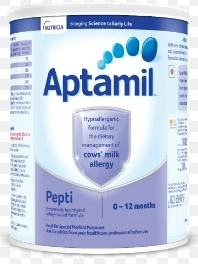
Aptamil Pepti Infant Formula 0 to 12 Months Tin 400gm
Brand: Nutricia International Private Limited
₹2000.00₹1960.00
View Details


Neocate LCP Infant Formula Powder 400GM
Brand: Nutricia International Private Limited
₹3300.00₹3234.00
View Details
Web Stories


Popular Lab Test






Live Doctor consultation
Live Doctor Chat

Fees ₹99
General Physician

Dr. Syed Mukhtar Mohiuddin
MBBS, MD , Fellowship in Diabetes Mellitus (UK)
- 7 Years
- English
Available at 00:00 to 07:00
Fees ₹99
General Physician
Fees ₹99
General Physician
Fees ₹99
General Physician
Fees ₹99
General Physician
Download Our App & Get Consultation from anywhere.