• Published on: Apr 14, 2025
  • 3 minute read
  • By: Secondmedic Expert

Home Health Checkup: A Smart Step Toward A Healthier Life

  • WhatsApp share link icon
  • copy & share link icon
  • twitter share link icon
  • facebook share link icon

In today's fast-paced world, health often takes a back seat. Busy schedules, work pressure, and lack of time can lead us to ignore regular medical checkups. But what if healthcare could come to your doorstep? That’s where home health checkup services come into play. These checkups offer convenience, comfort, and peace of mind, all without stepping out of your house.

Let’s dive deeper into what home health checkups are, why they matter, and how they can benefit you and your family.

What Is a Home Health Checkup?

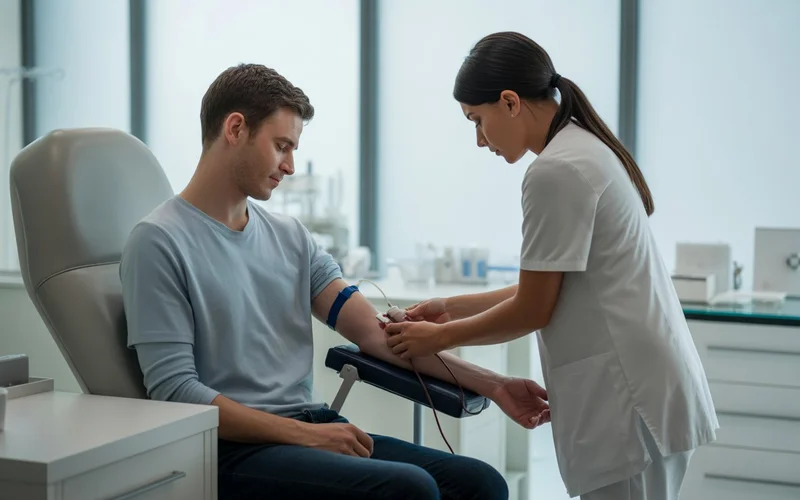
A home health checkup is a health screening or diagnostic service conducted in the comfort of your home. These checkups can include basic health screenings like blood pressure, sugar levels, and cholesterol, or more comprehensive tests like ECG, thyroid, kidney function, and vitamin profiles.

Trained healthcare professionals, usually phlebotomists or nurses, visit your home to collect samples or conduct tests. The reports are often shared online or delivered physically, depending on your preference.

Why Are Home Health Checkups Becoming So Popular?

With advancements in healthcare technology and rising awareness, more people are now opting for home-based health services. Here's why:

1. Convenience

You no longer need to travel or wait in long queues at clinics or labs. A professional comes to your home at a scheduled time, making it a hassle-free experience.

2. Time-Saving

Home health checkups save a significant amount of time, especially for working professionals or elderly individuals who find it difficult to commute.

3. Comfort & Privacy

Being in your own environment helps reduce anxiety related to medical visits. It also ensures privacy for those who prefer not to discuss their health concerns in public spaces.

4. Safe & Hygienic

Post-pandemic, people are more conscious about hygiene and safety. Home checkups reduce exposure to crowded places, lowering the risk of infections.

Types of Home Health Checkups

There are various types of home health packages available depending on your age, health condition, and lifestyle. Some popular ones include:

  • Basic Health Checkup: Includes tests like blood pressure, sugar, and hemoglobin levels.
     

  • Diabetes Checkup: Includes fasting and postprandial blood sugar, HbA1c, and insulin levels.
     

  • Heart Health Checkup: Tests like ECG, lipid profile, and blood pressure monitoring.
     

  • Senior Citizen Package: Focuses on common age-related issues like arthritis, bone density, and organ function.
     

  • Women's Health Checkup: Includes hormonal tests, thyroid, vitamin D & B12, and iron profile.
     

  • Customized Packages: Based on your doctor’s advice or your personal health concerns.
     

Who Should Consider a Home Health Checkup?

Almost everyone can benefit from home health checkups, but it's especially useful for:

  • Elderly individuals who face mobility challenges.
     

  • People with chronic conditions like diabetes or heart disease.
     

  • Busy professionals who don’t have time for clinic visits.
     

  • New parents who can’t leave home easily.
     

  • Anyone recovering from surgery or illness.
     

Even if you're healthy, getting a routine checkup once or twice a year can help detect any hidden issues early.

Benefits of Regular Health Checkups at Home

Let’s take a closer look at why scheduling regular checkups from home can improve your health:

1. Early Detection of Diseases

Regular checkups help catch potential problems before they become serious. Early diagnosis means timely treatment and a better chance of recovery.

2. Better Health Management

People with existing medical conditions can keep track of their health parameters and adjust treatments accordingly.

3. Peace of Mind

Knowing that your health is being monitored gives mental relief and reduces health-related anxiety.

4. Family Health Monitoring

Some home checkup providers offer family packages, making it easier to monitor your loved ones’ health too.

How to Book a Home Health Checkup?

Booking a home health checkup is easier than ever. Here’s how:

  1. Choose a Reliable Provider: Select a trusted diagnostic lab or healthcare service that offers home sample collection.
     

  2. Select the Package: Pick a package that suits your health needs or consult with a doctor.
     

  3. Schedule a Visit: Book an appointment online or through a phone call.
     

  4. Sample Collection: A technician will arrive at your home and collect the required samples.
     

  5. Get Reports: Your reports will be shared online or delivered to you in a few hours or days.
     

Make sure to follow the fasting instructions (if any) and keep a valid ID proof handy during the visit.

Things to Consider Before a Home Health Checkup

  • Check Credentials: Ensure that the lab or technician is certified and maintains proper hygiene.
     

  • Understand the Package: Know what tests are included and how they will help you.
     

  • Prepare in Advance: Follow any instructions like fasting, drinking water, or pausing medications as advised.
     

  • Ask Questions: Don’t hesitate to ask the healthcare professional about any doubts or symptoms you may have.
     

The Future of Health is at Home

With growing awareness and technological support, home-based healthcare is becoming the new normal. It not only makes health checkups more accessible but also promotes preventive healthcare. Instead of waiting for symptoms to appear, you can take charge of your health right now — from the comfort of your home.

Conclusion

Your health is your greatest asset. In a world where everything is available at your doorstep, why not your healthcare too? Whether it’s for routine monitoring, managing chronic conditions, or simply staying ahead of potential health risks, home health checkup services are a smart and practical solution.

Don’t wait for a health scare to take action. Book your home health checkup today and take a proactive step towards a healthier future.


Read FAQs


A. A home health checkup is a medical screening or diagnostic test conducted at your home by healthcare professionals. It can include blood tests, ECG, and general health monitoring without the need to visit a clinic.

A. Yes, if done by certified labs and trained professionals, home checkups are just as accurate as those done in medical facilities.

A. No, many providers offer standard packages without the need for a prescription. However, it’s best to consult a doctor for personalized tests.

A. Some tests require fasting or hydration. Always follow the instructions provided by the lab before the scheduled checkup.

A. Most labs share digital reports within 24–48 hours, depending on the type of test. Some basic reports may be available on the same day.

Read Blog
healthcare

Why Preventive Healthcare Is More Important Than Treatment: A Smarter Approach to Health

Healthcare systems worldwide are shifting focus from reactive treatment to proactive prevention. While medical treatments have advanced significantly, preventing disease before it develops remains the most effective strategy for long-term health.

Understanding why preventive healthcare is more important than treatment empowers individuals to take control of their wellbeing and reduce future health risks.


What Is Preventive Healthcare?

Preventive healthcare involves measures taken to avoid disease rather than treating it after symptoms appear.

It includes:

  • Routine health checkups
     

  • Vaccinations
     

  • Blood pressure monitoring
     

  • Diabetes screening
     

  • Cancer screening
     

  • Healthy lifestyle habits
     

The goal is early detection and risk reduction.


1. Early Detection Saves Lives

Many serious conditions develop silently, including:

  • Diabetes
     

  • Hypertension
     

  • Heart disease
     

  • Cancer
     

Regular screening identifies these conditions at an early stage when treatment is more effective and less invasive.


2. Reduces Healthcare Costs

Treating advanced diseases often involves:

  • Hospitalization
     

  • Surgery
     

  • Long-term medication
     

  • Intensive care
     

Preventive care reduces these costs by identifying risks early and managing them promptly.


3. Improves Quality of Life

Prevention focuses on maintaining optimal health.

Healthy individuals experience:

  • Higher energy levels
     

  • Better productivity
     

  • Improved mental wellbeing
     

  • Reduced stress
     

Staying healthy enhances overall life satisfaction.


4. Prevents Chronic Diseases

Lifestyle diseases such as obesity, diabetes and cardiovascular disorders are largely preventable.

Preventive measures include:

  • Balanced nutrition
     

  • Regular exercise
     

  • Smoking cessation
     

  • Stress management
     

These habits significantly lower disease risk.


5. Reduces Complications

Early management prevents complications such as:

  • Kidney damage from diabetes
     

  • Stroke from uncontrolled hypertension
     

  • Heart attacks due to high cholesterol
     

Preventive healthcare minimizes disease progression.


6. Encourages Health Awareness

Routine checkups increase awareness about:

  • Body weight
     

  • Blood sugar levels
     

  • Cholesterol
     

  • Nutritional deficiencies
     

Awareness motivates positive lifestyle changes.


Preventive Healthcare in the Indian Context

India faces rising rates of lifestyle diseases.

Urbanization, sedentary jobs and dietary changes have increased non-communicable diseases.

Preventive healthcare initiatives such as annual health screenings and awareness programs are critical to reducing the national disease burden.


Key Components of Preventive Care

Regular Health Screenings

  • Blood pressure checks
     

  • Blood sugar tests
     

  • Lipid profile
     

  • Thyroid tests


Vaccinations

  • Influenza
     

  • Hepatitis
     

  • COVID-19
     

  • Tetanus
     

Vaccines prevent infectious diseases.


Lifestyle Modification

  • Healthy diet
     

  • Daily exercise
     

  • Adequate sleep
     

  • Stress reduction
     

These form the foundation of prevention.


Treatment vs Prevention: A Comparison

Prevention

Treatment

Focuses on avoiding disease

Focuses on managing disease

Lower cost

Higher cost

Less invasive

Often invasive

Long-term benefits

May involve side effects

Prevention reduces risk before complications arise.


When Should Preventive Care Begin?

Preventive healthcare is important at every stage of life.

Adults above 30 years should undergo annual health checkups, especially if they have:

  • Family history of chronic disease
     

  • Sedentary lifestyle
     

  • Obesity
     

  • Smoking habits
     

Early intervention makes a measurable difference.


Overcoming Barriers to Prevention

Common challenges include:

  • Lack of time
     

  • Fear of diagnosis
     

  • Financial concerns
     

Solutions involve:

  • Corporate health programs
     

  • Insurance coverage for screenings
     

  • Digital health platforms
     

Encouraging routine checkups improves participation.


The Long-Term Impact of Prevention

Consistent preventive care leads to:

  • Increased life expectancy
     

  • Reduced healthcare burden
     

  • Improved economic productivity
     

  • Healthier communities
     

Healthy populations contribute to national growth.


Conclusion

Preventive healthcare is more important than treatment because it addresses health risks before they escalate into serious conditions. Early detection, regular screenings and healthy lifestyle habits reduce disease burden, save costs and improve quality of life.

While treatment remains essential when illness occurs, prevention offers a smarter and more sustainable approach to long-term wellbeing.

Taking proactive steps today can protect your health for years to come. Prevention is not just a medical strategy — it is a commitment to a healthier future.


References

  • Indian Council of Medical Research – Preventive Health Reports

  • World Health Organization – Preventive Healthcare Guidelines

  • National Family Health Survey – Lifestyle Disease Data

  • NITI Aayog – Health Strategy Reports

  • Lancet Global Health – Preventive Medicine Research

See all

Live Doctor consultation
Live Doctor Chat

Download Our App & Get Consultation from anywhere.

App Download
call icon for mobile number calling and whatsapp at secondmedic