- Published on: Apr 24, 2025
- 3 minute read
- By: Secondmedic Expert
High Blood Pressure: Everything You Need To Know




High blood pressure, also known as hypertension, is a common health condition affecting millions of people worldwide. Despite its prevalence, many are unaware they have it because it often presents no symptoms. This silent condition can lead to serious health problems if left untreated.
In this blog, we'll walk you through everything you need to know about high blood pressure — from causes and symptoms to prevention and treatment.
What is High Blood Pressure?
Blood pressure is the force of blood pushing against the walls of your arteries. It's measured using two numbers:
-
Systolic pressure (top number): Pressure when your heart beats.
-
Diastolic pressure (bottom number): Pressure when your heart is at rest.
Normal blood pressure is usually around 120/80 mmHg. If your readings are consistently 140/90 mmHg or higher, you may have high blood pressure.
Why is High Blood Pressure Dangerous?
High blood pressure forces your heart to work harder than normal, which can damage your arteries and vital organs over time. If not managed properly, it can lead to:
-
Heart disease
-
Stroke
-
Kidney failure
-
Vision loss
-
Cognitive decline
The worst part? You might not feel anything until these serious problems develop.
What Causes High Blood Pressure?
There isn't always one specific cause. However, several factors can increase your risk:
-
Unhealthy Diet: High salt, fat, and processed foods raise your blood pressure.
-
Lack of Physical Activity: A sedentary lifestyle weakens your heart.
-
Obesity: More weight means more pressure on your blood vessels.
-
Smoking and Alcohol: These habits damage your arteries.
-
Stress: Chronic stress can raise blood pressure over time.
-
Genetics: Family history plays a role in your risk.
Sometimes, medical conditions like thyroid disorders, kidney disease, or certain medications can also cause high blood pressure.
Symptoms of High Blood Pressure
High blood pressure is often called the "silent killer" because it rarely causes obvious symptoms. However, in some cases, people may experience:
-
Headaches
-
Dizziness
-
Nosebleeds
-
Blurred vision
-
Shortness of breath
If you feel any of these symptoms regularly, it’s best to get your blood pressure checked.
How is High Blood Pressure Diagnosed?
Diagnosing high blood pressure is simple. A healthcare professional uses a device called a sphygmomanometer to measure your blood pressure. You might be asked to monitor your levels over several days or weeks to confirm the diagnosis.
At SecondMedic, you can also schedule a virtual or home visit for convenient health check-ups.
How is High Blood Pressure Treated?
Treatment for high blood pressure usually involves a combination of lifestyle changes and, in some cases, medication. Here’s how you can manage it:
1. Lifestyle Changes
-
Healthy Eating: Follow the DASH diet — rich in fruits, vegetables, whole grains, and low-fat dairy.
-
Exercise Regularly: Aim for at least 30 minutes of moderate activity most days.
-
Limit Salt: Less salt means lower pressure.
-
Reduce Alcohol: Keep it in moderation.
-
Quit Smoking: It improves heart and lung health.
-
Manage Stress: Meditation, deep breathing, and yoga help reduce pressure.
2. Medications
If lifestyle changes aren’t enough, your doctor may prescribe:
-
Diuretics
-
ACE inhibitors
-
Beta-blockers
-
Calcium channel blockers
Always take medications as directed by your healthcare provider.
Tips for Preventing High Blood Pressure
Even if your blood pressure is normal now, taking preventive steps can help keep it that way:
-
Get regular check-ups.
-
Maintain a healthy weight.
-
Stay active.
-
Eat fresh, low-sodium meals.
-
Avoid excessive caffeine.
-
Track your blood pressure at home.
By being proactive, you can significantly lower your chances of developing high blood pressure in the future.
Managing Stress and Mental Health
Mental health has a powerful impact on physical health. Stress, anxiety, and depression can all contribute to high blood pressure. Here are a few relaxation techniques that can help:
-
Practice mindfulness and meditation.
-
Take short walks during work breaks.
-
Listen to calming music.
-
Stay connected with friends and family.
-
Talk to a counselor or therapist if needed.
Your heart and your mind are deeply connected — take care of both.
When to See a Doctor
If your blood pressure is consistently high, or if you’re experiencing symptoms like dizziness or chest pain, consult a doctor immediately. Regular monitoring and early intervention can save your life.
SecondMedic offers expert consultation services online and offline, making it easy for you to take charge of your heart health from the comfort of your home.
Conclusion: Take Control of Your Health Today
High blood pressure doesn’t have to control your life — with the right steps, you can manage and even prevent it. Start small, make simple changes, and seek medical help when needed. Regular monitoring, healthy habits, and awareness are your best tools in this journey.
If you or a loved one is dealing with high blood pressure, book a consultation with SecondMedic today to get expert guidance and personalized care. Let’s take the first step toward better health together.
Read FAQs
A. High blood pressure, or hypertension, is a condition where the force of blood against your artery walls is consistently too high, increasing the risk of heart disease and stroke.
A. Causes include poor diet, lack of exercise, obesity, smoking, alcohol consumption, stress, and genetic factors. Certain health conditions and medications can also contribute.
A. High blood pressure can’t be permanently cured, but it can be effectively managed through lifestyle changes, medications, and regular monitoring.
A. High blood pressure usually has no symptoms. The best way to know is through regular check-ups with a doctor or by using a home blood pressure monitor.
A. Eat a healthy, low-sodium diet, exercise regularly, avoid smoking and alcohol, manage stress, and maintain a healthy weight.

Monthly Field Day with Patients & Staff: Building Stronger Connections for Better Health
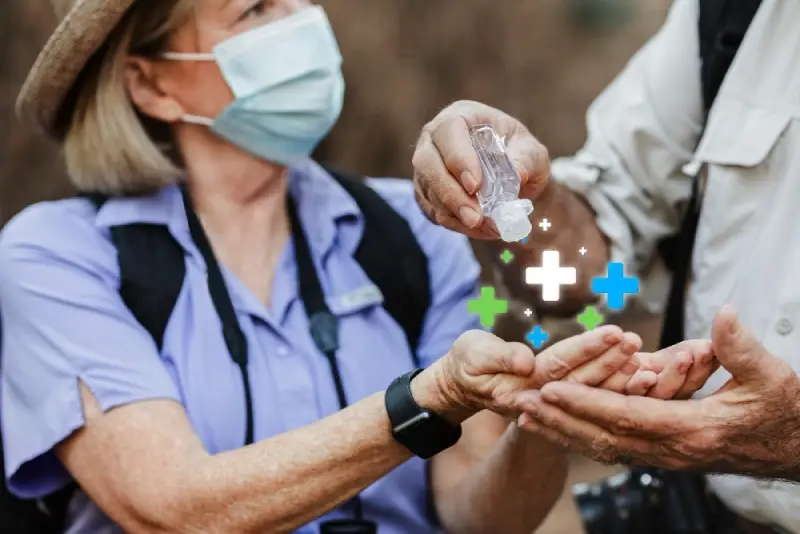
Healthcare outcomes are shaped not only by medical treatments but also by trust, communication and community engagement. As healthcare systems in India move toward preventive and patient-centric models, initiatives that foster meaningful interaction between patients and healthcare professionals are gaining importance. One such initiative is the Monthly Field Day with Patients & Staff.
A field day creates a shared space where patients and healthcare teams interact beyond clinical settings. These interactions humanise healthcare, improve understanding and encourage long-term wellness practices.
Why Community Engagement Matters in Healthcare
Modern healthcare recognises that health is influenced by behaviour, awareness and social support. According to the World Health Organization (WHO) and NITI Aayog, community-based health engagement improves preventive care adoption and patient outcomes.
Field days help bridge the gap between healthcare providers and patients by:
-
encouraging open dialogue
-
reducing fear and hesitation
-
promoting shared responsibility for health
What Is a Monthly Field Day with Patients & Staff?
A Monthly Field Day with Patients & Staff is a structured wellness initiative organised outside the routine clinical environment. It focuses on interaction, education and preventive health activities.
Typical elements include:
-
basic health screenings
-
lifestyle education sessions
-
fitness or relaxation activities
-
informal conversations with healthcare staff
-
family and caregiver participation
The aim is to create a supportive and approachable healthcare experience.
Why Monthly Frequency Matters
Consistency is key in behaviour change and preventive health.
Monthly field days:
-
reinforce health messages regularly
-
build familiarity and trust
-
allow continuous follow-up
-
keep wellness top of mind
According to public health studies, repeated engagement significantly improves health literacy and adherence.
Benefits for Patients
1. Improved Health Awareness
Patients gain better understanding of:
-
chronic disease management
-
preventive screenings
-
nutrition and lifestyle habits
Education in informal settings improves retention.
2. Increased Comfort with Healthcare Teams
Regular interaction reduces anxiety and hesitation around seeking medical care.
Patients are more likely to:
-
ask questions
-
follow medical advice
-
attend follow-ups
3. Early Risk Identification
Field days often include basic screenings that help detect:
-
high blood pressure
-
elevated blood sugar
-
obesity risk
Early identification enables timely intervention.
4. Enhanced Emotional Wellbeing
Social interaction and community activities reduce feelings of isolation, especially among elderly or chronically ill patients.
Benefits for Healthcare Staff
1. Better Understanding of Patient Needs
Direct interaction outside clinical settings helps staff understand patient challenges more holistically.
2. Improved Communication Skills
Informal engagement strengthens empathy and communication effectiveness.
3. Reduced Burnout
Positive patient interaction and community appreciation contribute to staff morale and job satisfaction.
WHO recognises staff wellbeing as a critical factor in healthcare quality.
Role of Field Days in Preventive Healthcare
Preventive healthcare focuses on reducing disease burden before complications arise. Field days support prevention by:
-
promoting routine screenings
-
encouraging healthy lifestyle habits
-
addressing myths and misconceptions
-
reinforcing long-term care plans
NITI Aayog identifies community engagement as a cornerstone of preventive healthcare strategies.
Activities Commonly Included in Field Days
Health Screening Stations
Blood pressure, blood sugar, BMI and basic assessments.
Wellness Education
Short talks on nutrition, exercise, sleep and stress.
Interactive Sessions
Q&A discussions with doctors, nurses and health educators.
Physical Activities
Group walks, yoga sessions or light exercises.
Family Engagement
Including caregivers improves adherence and support systems.
Impact on Chronic Disease Management
For patients with chronic conditions such as diabetes or hypertension, regular engagement:
-
improves medication adherence
-
reinforces lifestyle modification
-
reduces emergency visits
Lancet studies highlight that community-based interventions improve chronic disease outcomes.
Building Trust Through Transparency
Field days foster trust by:
-
making healthcare providers approachable
-
encouraging open dialogue
-
demonstrating commitment to patient wellbeing
Trust improves treatment adherence and satisfaction.
Role of Data and Feedback
Feedback collected during field days helps healthcare organisations:
-
identify common concerns
-
refine wellness programs
-
personalise future interventions
Data-driven engagement enhances program effectiveness.
Long-Term Impact on Healthcare Outcomes
Organisations that invest in regular patient-staff engagement observe:
-
higher patient satisfaction
-
improved preventive screening rates
-
reduced disease complications
-
stronger community relationships
According to WHO, patient-centred care models improve health outcomes and system efficiency.
Why Field Days Are Especially Relevant in India
India’s diverse population faces challenges such as:
-
limited health literacy
-
delayed care-seeking
-
chronic disease burden
Community-based initiatives like field days address these challenges through education and trust-building.
Conclusion
A Monthly Field Day with Patients & Staff is more than a community event—it is a strategic preventive healthcare initiative. By fostering open communication, promoting health awareness and strengthening relationships, field days improve patient engagement and staff wellbeing alike. In a healthcare landscape increasingly focused on prevention and community trust, regular field days play a vital role in building healthier, more connected communities.
References
-
ICMR – Community Health and Preventive Care Reports
-
National Family Health Survey (NFHS-5) – Health Awareness and Engagement Dat
-
NITI Aayog – Community-Based Preventive Healthcare Strategies
-
WHO – Patient-Centred Care and Community Health Guidelines
-
Lancet – Community Engagement and Health Outcome Studies
-
Statista – Healthcare Engagement and Preventive Care Trends India
-
EY-FICCI – Healthcare Workforce and Patient Engagement Reports
Our Services
Request A Callback
Recent Posts




Aptamil Pepti Infant Formula 0 to 12 Months Tin 400gm
Brand: Nutricia International Private Limited
₹2000.00₹1960.00
View Details


Neocate LCP Infant Formula Powder 400GM
Brand: Nutricia International Private Limited
₹3300.00₹3234.00
View Details
Web Stories


Popular Lab Test






Live Doctor consultation
Live Doctor Chat

Fees ₹99
General Physician
Fees ₹99
General Physician

Dr. Syed Mukhtar Mohiuddin
MBBS, MD , Fellowship in Diabetes Mellitus (UK)
- 7 Years
- English
Available at 00:00 to 07:00
Fees ₹99
General Physician
Fees ₹99
General Physician
Fees ₹99
General Physician
Download Our App & Get Consultation from anywhere.