- Published on: Jan 24, 2025
- 3 minute read
- By: SecondMedic Expert
Guillain-Barre Syndrome - Symptoms And Causes




Guillain-Barré syndrome (GBS) is a rare but serious neurological condition in which the body’s immune system mistakenly attacks the peripheral nervous system. This condition can lead to muscle weakness, numbness, and even paralysis in severe cases. Understanding Guillain-Barré syndrome symptoms, causes, and treatment options is crucial for early detection and effective management.
Guillain-Barré Syndrome Symptoms
The symptoms of Guillain-Barré syndrome typically begin with mild sensations of tingling or numbness in the hands and feet. These early signs of Guillain-Barré syndrome may quickly progress to more severe issues, including:
-
Muscle Weakness: Starting in the legs and spreading to the upper body, this weakness can become so severe that mobility is significantly impaired.
-
Reflex Loss: Deep tendon reflexes, such as the knee-jerk response, are often diminished or absent.
-
Pain: Many individuals experience sharp or cramping pain, particularly in the lower back.
-
Difficulty with Eye or Facial Movements: Symptoms may include difficulty speaking, chewing, or swallowing.
-
Respiratory Problems: In some cases, Guillain-Barré syndrome and respiratory failure become significant concerns, necessitating immediate medical intervention.
-
Autonomic Dysfunction: Irregular heart rhythms, blood pressure fluctuations, and other involuntary functions can be affected.
Guillain-Barré Syndrome Causes
The exact causes of Guillain-Barré syndrome are not fully understood. However, it is widely believed that the syndrome is triggered by an overactive immune response to an infection or other environmental factors. Common Guillain-Barré syndrome causes and risk factors include:
-
Viral Infections: Conditions such as influenza, Zika virus, and Epstein-Barr virus have been associated with GBS.
-
Bacterial Infections: Campylobacter jejuni, a bacterium often linked to food poisoning, is a common trigger.
-
Vaccinations: Although extremely rare, certain vaccines have been linked to GBS.
-
Surgical Procedures: Some individuals may develop Guillain-Barré syndrome following surgery.
-
Other Risk Factors: A history of autoimmune disorders or genetic predispositions may increase the risk.
Guillain-Barré Syndrome Progression Stages
Guillain-Barré syndrome progression stages typically unfold in three distinct phases:
-
Initial Stage: Lasting 1-4 weeks, this stage includes the rapid onset of Guillain-Barré syndrome symptoms such as weakness and numbness.
-
Plateau Stage: Symptoms stabilize but remain severe. This stage can last several weeks.
-
Recovery Stage: Gradual improvement begins, although Guillain-Barré syndrome recovery time can vary significantly between individuals, often taking weeks to months.
Guillain-Barré Syndrome Diagnosis
Diagnosing Guillain-Barré syndrome requires a thorough clinical evaluation. Physicians rely on specific Guillain-Barré syndrome diagnosis criteria, which include:
-
Patient History: Recent infections or medical procedures may provide crucial clues.
-
Neurological Examination: Reflexes, muscle strength, and sensory responses are assessed.
-
Electrodiagnostic Tests: Nerve conduction studies (NCS) and electromyography (EMG) help identify nerve damage.
-
Lumbar Puncture: Testing cerebrospinal fluid (CSF) can reveal elevated protein levels, a hallmark of GBS.
Early diagnosis is essential for effective treatment and to prevent complications like Guillain-Barré syndrome and respiratory failure.
Guillain-Barré Syndrome Treatment
Treatment for Guillain-Barré syndrome focuses on managing symptoms and speeding up recovery. The primary Guillain-Barré syndrome treatment options include:
-
Plasma Exchange (Plasmapheresis): This procedure removes harmful antibodies from the blood.
-
Intravenous Immunoglobulin (IVIG): High-dose immunoglobulin therapy helps neutralize the antibodies attacking the nervous system.
-
Supportive Care: Ventilatory support may be needed in severe cases, along with physical therapy to aid rehabilitation.
Guillain-Barré Syndrome Prognosis
The prognosis for Guillain-Barré syndrome varies depending on the severity of the condition and the timeliness of treatment. While most individuals recover fully, Guillain-Barré syndrome prognosis can include long-term complications such as:
-
Persistent Weakness: Some patients may experience lingering muscle weakness.
-
Nerve Damage: Chronic nerve pain or numbness can occur in rare cases.
-
Recurrence: Although uncommon, some individuals may develop Guillain-Barré syndrome again.
Guillain-Barré Syndrome Recovery Time
Guillain-Barré syndrome recovery time can range from a few weeks to several months. Factors that influence recovery include:
-
Age: Younger individuals generally recover faster.
-
Severity: Severe cases with extensive nerve damage may take longer to heal.
-
Timely Treatment: Early intervention is key to minimizing long-term effects and shortening recovery time.
Conclusion
Guillain-Barré syndrome is a challenging condition that requires early recognition and prompt treatment. By understanding the symptoms, causes, and treatment options, individuals can better manage this syndrome and improve their outcomes. If you or a loved one suspect Guillain-Barré syndrome, consult a healthcare professional immediately. Early diagnosis and treatment are critical for a full recovery.
Read FAQs
A. Early signs include tingling or numbness in the hands and feet, muscle weakness, and loss of reflexes. These symptoms may progress quickly if untreated.
A. Guillain-Barré syndrome is diagnosed using clinical evaluation, nerve conduction studies, electromyography (EMG), and cerebrospinal fluid (CSF) analysis.
A. Recovery time varies but typically ranges from a few weeks to several months. Early treatment can significantly speed up the recovery process.


Role of Nutrition in Disease Prevention: How Food Choices Shape Long-Term Health
Disease prevention is no longer limited to vaccinations and medical screenings. Modern healthcare increasingly recognises nutrition as one of the most powerful tools for preventing illness before it begins. The role of nutrition in disease prevention is especially important in India, where lifestyle-related diseases account for a large share of premature illness and mortality.
According to the Indian Council of Medical Research (ICMR) and the National Family Health Survey (NFHS-5), poor dietary patterns contribute significantly to rising cases of diabetes, heart disease, obesity and hypertension. Unlike genetic factors, nutrition is a modifiable risk factor, meaning everyday food choices can actively protect health.
Why Nutrition Is Central to Disease Prevention
1. Nutrition regulates metabolic health
Balanced diets help maintain:
-
healthy blood sugar levels
-
optimal cholesterol balance
-
stable blood pressure
Disruption in these systems increases disease risk.
2. Nutrition strengthens immunity
WHO highlights that immune function depends heavily on adequate intake of vitamins, minerals and protein.
3. Nutrition controls inflammation
Chronic low-grade inflammation is linked to most lifestyle diseases. Diets rich in whole foods reduce inflammatory markers.
Major Diseases Influenced by Nutrition
Diabetes and Prediabetes
Excess refined carbohydrates and sugar drive insulin resistance.
Preventive nutrition focuses on:
-
whole grains
-
fibre-rich vegetables
-
adequate protein
-
controlled portion sizes
ICMR data shows that dietary modification can delay or prevent type 2 diabetes in high-risk individuals.
Cardiovascular Disease
Heart disease remains a leading cause of death in India.
Nutrition impacts:
-
cholesterol levels
-
blood pressure
-
arterial inflammation
Diets low in trans fats and high in fibre significantly reduce cardiovascular risk, as confirmed by WHO and Lancet studies.
Obesity
Obesity increases the risk of multiple chronic diseases.
Preventive nutrition addresses:
-
calorie density
-
food quality
-
satiety regulation
NFHS-5 reports a steady rise in overweight and obesity across age groups.
Hypertension
High sodium intake and low potassium intake contribute to high blood pressure.
Preventive dietary strategies include:
-
reducing processed foods
-
increasing fruits and vegetables
-
maintaining mineral balance
Certain Cancers
Diet influences cancer risk through:
-
antioxidant intake
-
fibre consumption
-
reduced exposure to carcinogenic compounds
WHO estimates that a significant percentage of cancers are preventable through diet and lifestyle changes.
Key Nutrients That Support Disease Prevention
Fibre
Supports gut health, blood sugar control and cholesterol reduction.
Protein
Essential for muscle health, immune function and metabolic balance.
Healthy Fats
Omega-3 fats reduce inflammation and protect heart health.
Micronutrients
Iron, zinc, vitamin D and B vitamins are essential for metabolic and immune regulation.
NFHS-5 highlights widespread micronutrient deficiencies in India, increasing disease vulnerability.
Role of Gut Health in Prevention
The gut microbiome plays a major role in:
-
immune regulation
-
inflammation control
-
nutrient absorption
Fermented foods and fibre-rich diets support healthy gut bacteria, strengthening disease resistance.
Why Preventive Nutrition Works Best Early
Nutrition is most effective when applied:
-
before disease onset
-
during pre-disease stages
-
alongside regular health screening
Once disease progresses, nutrition remains supportive but may not reverse damage fully.
Nutrition vs Medication in Prevention
Medication treats disease; nutrition reduces risk.
WHO and NITI Aayog emphasize that:
-
preventive nutrition reduces disease incidence
-
lifestyle modification lowers healthcare burden
-
early nutrition changes reduce dependency on long-term medication
Both approaches work best when combined appropriately.
Workplace and Community Role in Preventive Nutrition
Structured nutrition programs at workplaces and communities:
-
improve awareness
-
support behaviour change
-
reduce population-level disease burden
Lancet studies show that group-based nutrition interventions improve long-term adherence.
Common Myths About Nutrition and Disease Prevention
Myth 1: Supplements replace healthy food
Whole foods provide better long-term protection.
Myth 2: Prevention requires extreme diets
Consistency matters more than restriction.
Myth 3: Nutrition only matters after diagnosis
Early nutrition is most effective before disease develops.
Building a Preventive Nutrition Routine
Effective preventive nutrition includes:
-
regular meals
-
diverse food groups
-
portion awareness
-
minimal processed foods
-
hydration
Small daily choices compound into long-term health benefits.
Long-Term Impact of Preventive Nutrition
Consistent healthy eating leads to:
-
reduced disease risk
-
improved energy and productivity
-
better immune resilience
-
lower healthcare costs
-
improved quality of life
NITI Aayog identifies nutrition as a cornerstone of sustainable healthcare systems.
Conclusion
Understanding the role of nutrition in disease prevention empowers individuals to take control of their health long before illness develops. Balanced, consistent nutrition reduces inflammation, supports immunity and protects against chronic diseases that burden India’s healthcare system. Preventive nutrition is not about short-term fixes but about building lifelong habits that support health, resilience and longevity.
References
-
ICMR – Nutrition and Lifestyle Disease Prevention Reports
-
National Family Health Survey (NFHS-5) – Dietary and Metabolic Health Data
-
NITI Aayog – Preventive Healthcare and Nutrition Strategy Reports
-
WHO – Diet, Nutrition and Chronic Disease Prevention Guidelines
-
Lancet – Nutrition and Disease Risk Reduction Studies
-
Statista – Dietary Trends and Health Outcomes India
-
EY-FICCI – Preventive Healthcare and Nutrition Economics
Our Services
Request A Callback
Recent Posts



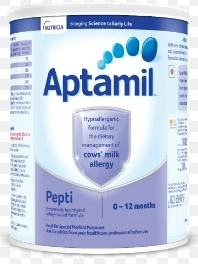
Aptamil Pepti Infant Formula 0 to 12 Months Tin 400gm
Brand: Nutricia International Private Limited
₹2000.00₹1960.00
View Details


Neocate LCP Infant Formula Powder 400GM
Brand: Nutricia International Private Limited
₹3300.00₹3234.00
View Details
Web Stories


Popular Lab Test






Live Doctor consultation
Live Doctor Chat

Fees ₹99
General Physician

Dr. Syed Mukhtar Mohiuddin
MBBS, MD , Fellowship in Diabetes Mellitus (UK)
- 7 Years
- English
Available at 00:00 to 07:00
Fees ₹99
General Physician
Fees ₹99
General Physician
Fees ₹99
General Physician
Fees ₹99
General Physician
Download Our App & Get Consultation from anywhere.