• Published on: Nov 20, 2025
  • 3 minute read
  • By: Secondmedic Expert

Digital Health Transformation India: How SecondMedic Is Shaping The Next Era Of Healthcare

  • WhatsApp share link icon
  • copy & share link icon
  • twitter share link icon
  • facebook share link icon

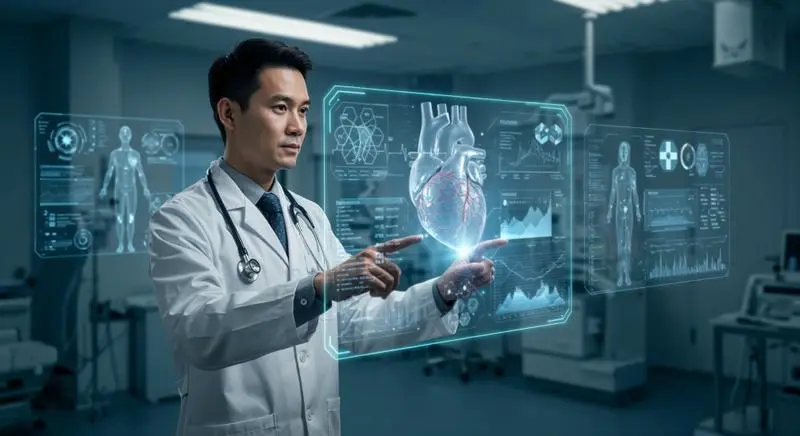
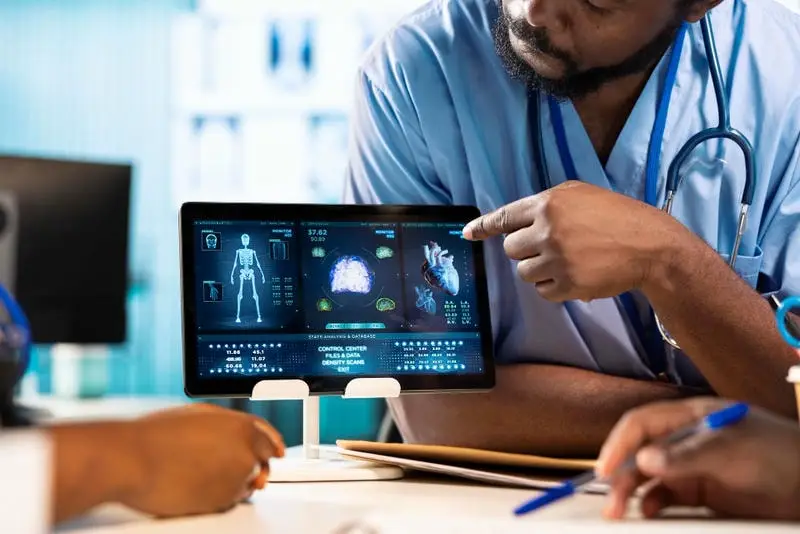
Digital health transformation India is redefining how healthcare is delivered, accessed, and experienced. With telemedicine, AI-based diagnosis, remote monitoring, and digital health records becoming mainstream, India is witnessing a historic shift from traditional in-person treatment to hybrid, connected, technology-driven healthcare.

The adoption of digital healthcare accelerated rapidly due to rising demand for convenience, chronic disease management needs, and the government’s ambitious ABDM (Ayushman Bharat Digital Mission). SecondMedic plays a central role in enabling this transformation through a seamless digital ecosystem.

Why Digital Health Is Essential for India

India’s healthcare system faces multiple challenges: large population, uneven doctor distribution, high burden of chronic diseases, and limited infrastructure in rural regions. Digital technologies help overcome these obstacles.

Key drivers of digital transformation include:

  • Growing smartphone and internet penetration

  • Need for remote access to specialists

  • Rising healthcare costs

  • Demand for preventive and personalized care

  • Government focus on digital health records
     

Digital health bridges gaps and supports equitable healthcare across the nation.

Telemedicine: The Frontline of Digital Healthcare

Telemedicine has become a cornerstone of India’s digital health transformation. It provides fast, remote access to medical consultation.

Telemedicine benefits include:

  • Reduced travel for patients

  • Faster specialist access

  • Lower consultation costs

  • Better continuity of care

  • Greater reach in rural areas
     

SecondMedic provides telemedicine consultations across specialties through a simple, user-friendly digital platform.

AI and Predictive Healthcare Tools

Artificial intelligence enhances healthcare decisions by identifying patterns invisible to human observation.

AI tools support:

  • Early detection

  • Diagnostic accuracy

  • Chronic disease forecasting

  • Personalized care

  • Clinical decision-making
     

SecondMedic integrates AI risk scoring and early-alert systems to help users take timely preventive action.

Electronic Health Records (EHRs)

EHRs bring consistency to patient care by storing medical data digitally.

Benefits include:

  • Faster access to medical history

  • Fewer repeated tests

  • Better coordination between doctors

  • Improved accuracy in diagnosis
     

SecondMedic ensures secure EHR management with encrypted digital storage.

Remote Patient Monitoring (RPM)

Remote monitoring devices are becoming essential for chronic disease management.

RPM tracks:

  • Heart rate

  • Oxygen levels

  • Blood pressure

  • Blood sugar

  • Sleep patterns
     

SecondMedic integrates wearable devices with its platform for real-time monitoring.

Digital Preventive Healthcare Programs

Prevention is more effective with data-driven plans.

Digital preventive care includes:

  • Lifestyle monitoring

  • Stress and sleep analysis

  • Fitness and nutrition programs

  • AI-based risk predictions
     

SecondMedic provides comprehensive preventive programs for long-term wellbeing.

Digital Health Adoption in Rural India

Digital tools bring healthcare access to underserved regions.

Transformations include:

  • Mobile-based consultations

  • Portable diagnostics

  • Digital prescriptions

  • Remote vitals monitoring
     

These solutions reduce the urban–rural health divide.

The Future of Digital Health in India

Digital health will continue to grow with advancements such as:

  • AI-powered clinics

  • Digital therapeutics

  • Virtual hospitals

  • Genomic medicine integration

  • Smart home health devices
     

SecondMedic is preparing for this future with scalable, patient-centric digital solutions.

Conclusion

Digital health transformation India is reshaping the healthcare experience through connectivity, accessibility, and precision. With telemedicine, AI tools, remote monitoring, and digital records, SecondMedic is delivering modern healthcare designed for the future.

To access digital healthcare solutions, visit www.secondmedic.com

References

  1. ABDM – Ayushman Bharat Digital Mission

  2. NITI Aayog – Digital Health India Report

  3. IMARC – Indian Health Tech Market Trends

  4. WHO – Digital Health Adoption Framework

  5. FICCI – Healthcare Innovation India

Read FAQs


A. It is the use of digital technologies to improve healthcare delivery, efficiency, and accessibility.

A. It bridges gaps in accessibility, reduces wait times, and supports preventive care.

A. Telemedicine, AI, IoT devices, electronic health records, and mobile health apps.

A. By integrating virtual consultations, AI tools, wellness tracking, and digital medical records.

A. Yes. It enables faster diagnosis, continuous monitoring, and personalized care.

Read Blog
Flexible

Flexible Work Schedules with Telehealth Support: A Smarter Approach to Employee Wellbeing

The modern workplace is undergoing a significant transformation. Rigid office hours and traditional healthcare access models are giving way to flexible work schedules and digital health solutions. One of the most impactful combinations emerging in corporate wellness is flexible work schedules with telehealth support.

This integrated approach addresses two critical challenges faced by today’s workforce: work-life imbalance and delayed healthcare access.


Why Workplace Health Models Need to Change

According to NITI Aayog and EY-FICCI workforce reports, Indian employees face rising levels of:

  • work-related stress
     

  • lifestyle diseases
     

  • burnout
     

  • absenteeism
     

Long working hours, commuting stress and limited time for medical visits worsen health outcomes. Flexible work arrangements and telehealth support directly address these gaps.


What Are Flexible Work Schedules?

Flexible work schedules allow employees to:

  • adjust start and end times
     

  • work remotely or in hybrid formats
     

  • manage personal commitments alongside work
     

Flexibility empowers employees to align work with their physical and mental health needs.


Understanding Telehealth Support

Telehealth uses digital platforms to deliver healthcare services such as:

  • online doctor consultations
     

  • follow-up care
     

  • preventive health advice
     

  • mental health support
     

It eliminates geographical and time barriers to healthcare.


Why Combining Flexibility with Telehealth Works

Individually, flexibility and telehealth are beneficial. Together, they create a powerful wellness ecosystem.

This combination allows employees to:

  • consult doctors without taking leave
     

  • manage chronic conditions proactively
     

  • address early symptoms promptly
     

  • reduce healthcare delays


Health Benefits for Employees

Reduced Stress and Burnout

Flexible schedules reduce time pressure, while telehealth removes healthcare-related anxiety.


Improved Access to Preventive Care

Employees are more likely to seek early consultations when care is convenient.


Better Management of Chronic Conditions

Conditions like hypertension, diabetes and thyroid disorders require regular follow-up, which telehealth supports efficiently.


Enhanced Mental Wellbeing

Tele-mental health services enable confidential and timely support.


Improved Work-Life Balance

Employees can prioritise health without compromising job responsibilities.


Productivity Benefits for Employers

Reduced Absenteeism

Quick access to care reduces prolonged sick leave.


Improved Employee Engagement

Health-supported employees show higher motivation and loyalty.


Lower Healthcare Costs

Preventive care reduces long-term medical claims.


Strong Employer Branding

Wellness-focused policies attract and retain talent.


Evidence Supporting Flexible Work and Telehealth

According to WHO and Lancet workplace health studies:

  • flexible work reduces stress-related disorders
     

  • telehealth improves healthcare utilisation
     

  • preventive care lowers chronic disease burden
     

Indian corporate data mirrors these findings, especially in hybrid work environments.


Role in Preventive Healthcare

Preventive healthcare focuses on early risk identification and lifestyle management.

Flexible schedules with telehealth support:

  • encourage routine checkups
     

  • support ongoing health monitoring
     

  • enable early intervention
     

This aligns with India’s preventive healthcare priorities outlined by NITI Aayog.


Addressing Common Concerns

Productivity Loss Myth

Multiple studies show flexible work improves output rather than reducing it.


Quality of Telehealth

Telehealth is effective for most primary care and follow-up needs.


Data Security

Modern telehealth platforms follow strict privacy and data protection standards.


Ideal Use Cases in the Workplace

This model is particularly effective for:

  • IT and corporate offices
     

  • remote and hybrid teams
     

  • organisations with distributed workforce
     

  • high-stress work environments


Implementation Best Practices

To maximise impact:

  • set clear flexibility guidelines
     

  • integrate telehealth access into HR benefits
     

  • promote preventive consultations
     

  • track wellness metrics
     

Leadership support is key to adoption.


Long-Term Organisational Impact

Organisations adopting this model report:

  • improved employee health indicators
     

  • reduced burnout
     

  • stronger workplace culture
     

  • sustainable productivity gains
     

Wellbeing becomes a strategic advantage.


Conclusion

Flexible work schedules with telehealth support represent the future of employee wellbeing. By removing barriers to healthcare access and allowing employees control over their work routines, this approach promotes preventive care, reduces stress and enhances productivity. As workplaces evolve, integrating flexibility with digital health support is not just an employee benefit—it is a strategic investment in long-term organisational health and resilience.


References

  • World Health Organization (WHO) – Workplace Health Promotion Framework

  •  Indian Council of Medical Research (ICMR) – Lifestyle Disease and Workforce Health Studies

  • NITI Aayog – Digital Health and Workplace Wellness Reports

  • Lancet – Telehealth and Workforce Productivity Research

  • EY-FICCI – Corporate Wellness and Future of Work Reports

  • Statista – Telehealth Adoption and Workforce Trends

See all

Live Doctor consultation
Live Doctor Chat

Download Our App & Get Consultation from anywhere.

App Download
call icon for mobile number calling and whatsapp at secondmedic