In clinical practice today, one pattern is impossible to ignore. Most Indians do not fall sick suddenly. Health deteriorates slowly through weight gain, inactivity, poor sleep, chronic stress, and missed early warning signs. By the time patients seek medical care, metabolic damage is often well established.
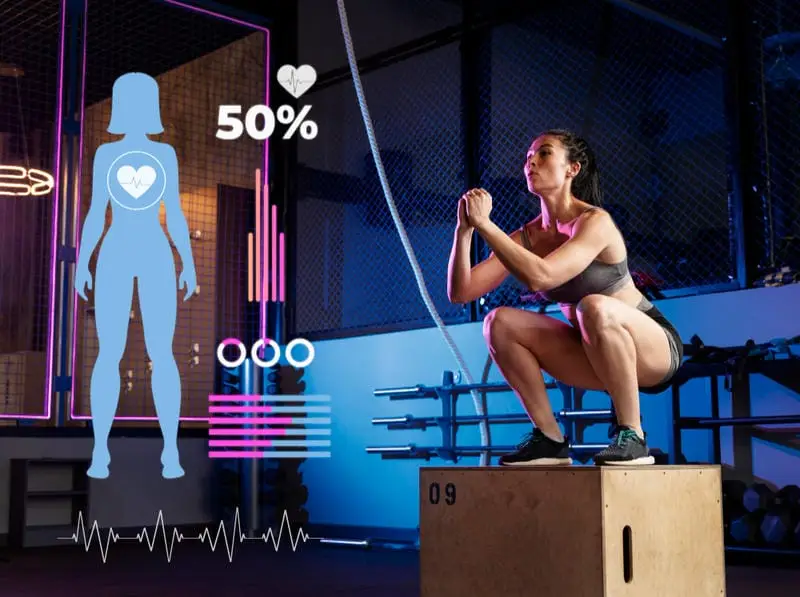
Digital fitness and wellness solutions are changing this trajectory. By combining wearables, artificial intelligence, virtual coaching, and continuous health tracking, these platforms are helping individuals engage with their health daily rather than episodically. In a country facing rising lifestyle disease and work-related burnout, digital wellness is emerging as a practical extension of preventive healthcare.
SecondMedic integrates digital fitness tools with clinical insight and AI-supported monitoring to help individuals build sustainable health habits rather than short-term fitness routines.
Why India Needs Digital Fitness and Wellness Solutions
India is facing a silent epidemic of lifestyle-related conditions. Obesity, diabetes, hypertension, and musculoskeletal pain now affect younger age groups than ever before. Patients often ask why regular exercise alone does not seem enough. The reality is that health is influenced by consistency, recovery, sleep quality, stress levels, and daily movement patterns, not just occasional workouts.
National health data highlights:
-
Rising obesity and abdominal fat accumulation.
-
Prolonged sedentary time among working adults.
-
Increasing diabetes and blood pressure across age groups.
-
Declining cardiovascular endurance.
Traditional gym-based models address only a fraction of this problem. Digital fitness solutions fill the gap by offering continuous feedback, personalised guidance, and behavioural nudges that align better with real Indian lifestyles.
What Digital Fitness and Wellness Really Mean
Many people assume digital fitness is limited to step counting. In medical terms, digital wellness refers to an ecosystem that supports physical activity, recovery, nutrition awareness, and stress regulation together.
At its core, digital fitness and wellness solutions include:
-
Objective health data from wearables.
-
AI-driven interpretation of trends.
-
Virtual guidance and coaching.
-
Preventive monitoring rather than reactive correction.
Patients often ask whether these tools are genuinely useful or just motivational gadgets. Their value lies not in raw numbers but in how patterns over time reveal health risks early.
Core Components of Digital Fitness Ecosystems
Smart Wearables and Sensors
Modern fitness bands and smartwatches monitor:
-
Heart rate and resting pulse.
-
Daily steps and activity intensity.
-
Sleep duration and sleep quality.
-
Stress indicators through heart rate variability.
-
Calorie expenditure and oxygen saturation.
Clinically, these metrics help identify early fatigue, poor recovery, or declining cardiovascular fitness, even before symptoms appear.
AI-Powered Personalised Coaching
AI analyses daily health data to tailor:
-
Workout intensity and frequency.
-
Recovery and rest days.
-
Step goals based on fatigue levels.
-
Stress reduction and breathing routines.
A common question patients raise is whether AI coaching replaces human trainers. In practice, AI supports consistency by adjusting plans daily, something manual coaching cannot always achieve at scale.
Virtual Fitness and Wellness Platforms
Digital platforms provide:
-
Live and recorded workout sessions.
-
Yoga, mobility, and flexibility programs.
-
Condition-specific exercise plans.
-
Community challenges that improve adherence.
For many patients, virtual access removes time, travel, and social barriers that previously prevented regular exercise.
Nutrition and Lifestyle Tracking
Health apps support:
-
Dietary pattern awareness.
-
Hydration reminders.
-
Weight trend monitoring.
-
Lifestyle routine tracking.
These insights are especially valuable when managing weight, insulin resistance, or fatigue related to poor recovery.
How AI Improves Personalised Fitness and Recovery
From a medical standpoint, the most powerful role of AI is pattern recognition. AI evaluates multiple parameters together, not in isolation.
It analyses trends in:
-
Heart rate variability.
-
Sleep debt accumulation.
-
Activity decline during high stress periods.
-
Delayed recovery after workouts.
-
Oxygen saturation changes.
Patients often wonder if AI fitness tools can actually prevent disease. Prevention occurs when declining trends are identified early, prompting timely lifestyle corrections before metabolic damage sets in.
SecondMedic uses AI-driven health scoring to support this preventive approach rather than focusing only on performance metrics.
Role of Digital Fitness in Chronic Disease Prevention
Chronic diseases rarely develop overnight. They progress quietly through years of inactivity and metabolic imbalance.
Digital fitness tools support prevention by enabling:
-
Activity reminders for sedentary individuals.
-
Heart rate alerts during abnormal exertion.
-
Sleep quality insights linked to blood pressure control.
-
Stress tracking to reduce cortisol-driven weight gain.
-
Weight monitoring to identify unhealthy trends early.
For individuals already diagnosed with diabetes or hypertension, these tools support day-to-day self-management and reinforce medical advice between consultations.
Adoption Beyond Metro Cities
A frequent concern is whether digital fitness solutions are relevant outside large cities. Improved smartphone access and affordable wearables have expanded adoption across Tier 2 and Tier 3 regions.
Digital wellness platforms help overcome:
-
Limited access to gyms or trainers.
-
Lack of structured fitness guidance.
-
Low preventive health awareness.
Virtual coaching and mobile-first platforms allow individuals to engage in fitness routines regardless of geography, making wellness more inclusive.
Safety, Medical Oversight, and Ethical Use
Digital fitness must be used responsibly. Overtraining, inaccurate interpretation, and ignoring medical conditions can cause harm if guidance is followed blindly.
Safe use requires:
-
Gradual intensity progression.
-
Awareness of pain, dizziness, or excessive fatigue.
-
Medical consultation for older adults and chronic patients.
-
Data privacy and informed consent.
From a physician’s perspective, digital fitness works best when it complements clinical care rather than replacing professional advice. SecondMedic maintains this balance by integrating digital wellness with expert oversight and preventive health frameworks.
The Future of Digital Fitness and Wellness in India
Digital wellness is evolving beyond isolated apps toward integrated health ecosystems.
Key developments include:
-
Unified platforms combining fitness, nutrition, vitals, and teleconsultations.
-
AI-based prediction of metabolic and cardiovascular risk.
-
Immersive virtual fitness experiences to improve engagement.
-
Smart home fitness equipment with real-time feedback.
These advances aim to make preventive healthcare practical, personalised, and scalable.
What This Means for Everyday Health
Digital fitness and wellness solutions are helping India transition from reactive care to proactive health management. By supporting daily movement, recovery, stress control, and early risk detection, these tools empower individuals to take ownership of their health journey.
SecondMedic contributes to this shift by integrating AI-powered monitoring, personalised activity guidance, and preventive insights into a single ecosystem designed for real Indian lifestyles.
When used consistently and responsibly, digital wellness solutions can reduce disease risk, improve quality of life, and support healthier ageing across the population.