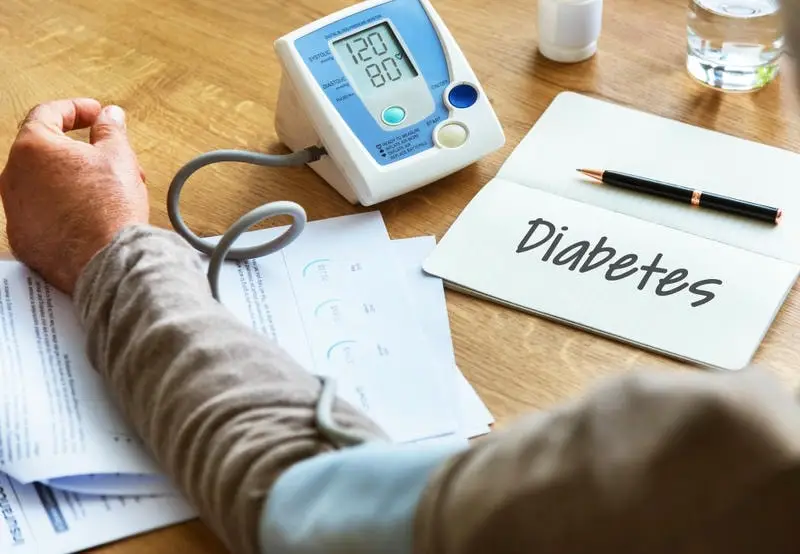
Diabetes is one of India’s fastest-growing health challenges. With over 100 million people living with diabetes and rising rates of obesity and metabolic syndrome, the demand for effective diabetes management has never been higher. However, a significant shift is emerging-diabetes reversal, not just diabetes control.
India is now witnessing a rise in structured diabetes reversal programs that use lifestyle medicine, targeted nutrition, AI-driven monitoring and medical supervision to help individuals achieve remission. SecondMedic is at the forefront of this transformation.
This blog explores how diabetes reversal works, the science behind remission, and how India is adopting evidence-based approaches for long-term metabolic recovery.
Understanding Diabetes Reversal
Diabetes reversal means bringing blood glucose levels into the normal range without reliance on medication, especially insulin and high-dose oral drugs. It focuses on healing underlying metabolic disturbances rather than just lowering sugar levels temporarily.
The Core Driver: Insulin Resistance
According to the ICMR Diabetes & Metabolic Study, insulin resistance is the primary trigger for Type 2 diabetes. Reversal programs target this root cause through:
-
Fat reduction around organs
-
Reduced sugar load
-
Improved insulin sensitivity
-
Lower inflammation
-
Increased metabolic flexibility
When these changes occur, the body begins regulating glucose naturally.
Why India Needs Diabetes Reversal Programs
1. High Disease Burden
India now ranks among the world’s highest contributors to diabetes. Risk factors include:
-
Sedentary lifestyles
-
High refined-carb diets
-
Stress and poor sleep
-
Genetic predisposition
2. Limited Awareness About Reversal
Many still believe diabetes is lifelong. However, global research-including insights from the Lancet Diabetes & Endocrinology Review-supports reversal through structured lifestyle interventions.
3. Rising Medication Dependence
Long-term medication without lifestyle change can worsen insulin resistance. Reversal programs reduce dependence by addressing root causes.
What Happens in a Diabetes Reversal Program?
1. Personalised Nutrition Therapy
Diet is the strongest lever for improving insulin resistance.
Plans include:
-
Low-glycaemic meals
-
High-fibre vegetables
-
Balanced protein intake
-
Controlled carbs
-
Anti-inflammatory foods
2. Structured Physical Activity
Moderate activity improves glucose uptake by muscles.
Programs include:
-
Strength training
-
Walking goals
-
HIIT for advanced users
-
Stretching and mobility
3. Sleep and Stress Optimisation
Poor sleep directly increases insulin resistance.
Breathing exercises and mindfulness routines reduce cortisol, stabilising glucose.
4. AI-Based Monitoring
AI analyses:
-
Glucose patterns
-
Insulin load
-
Eating timing
-
Weight fluctuations
-
Physical activity
This creates adaptive plans tailored to individual metabolic responses.
5. Medical Supervision
Endocrinologists adjust medication as reversal progresses, ensuring safety.
Stages of Diabetes Reversal
-
Stabilisation Phase
Sugar fluctuations decrease
Energy levels stabilise
-
Improvement Phase
Reduced insulin resistance
Lower medication needs
-
Remission Phase
Normal glucose levels without medication
Sustained through lifestyle habits
Evidence Supporting Reversal
ICMR Clinical Observations
Lifestyle medicine reduces BMI, HbA1c and insulin resistance significantly in Type 2 diabetics.
WHO Recommendations
Lifestyle change is the first-line therapy for preventing and managing diabetes.
NITI Aayog Preventive Care Report
Emphasises digital monitoring and personalised planning for chronic disease prevention.
Example of a Daily Reversal Plan
Breakfast: Vegetable upma + nuts
Lunch: Dal + sabzi + small portion millet roti
Snack: Sprouts chaat
Dinner: Stir-fry paneer + salad
Activity: 20 min morning walk, 10 min post-lunch walk
Extras: 5 min breathing, sleep by 10:30 PM
SecondMedic’s AI engine evaluates the plan for glycaemic load and improvements.
Conclusion
Diabetes reversal programs in India offer a scientific, structured and personalised approach to restoring metabolic health. By integrating nutrition, movement, sleep, stress management and continuous monitoring, these programs provide individuals with a realistic path to remission.
SecondMedic is redefining diabetes prevention and reversal through AI-driven insights, expert medical supervision and evidence-based lifestyle frameworks.
References
• ICMR India Diabetes & Metabolic Study - Insulin Resistance and Lifestyle Interventions
• National Family Health Survey (NFHS-5), Ministry of Health & Family Welfare
• NITI Aayog - Preventive Healthcare & Chronic Disease Reversal Framework
• Lancet Diabetes & Endocrinology - Clinical Evidence on Diabetes Remission
• WHO Global Report on Diabetes - Lifestyle Medicine Recommendations
• Statista India Chronic Disease Trends & Metabolic Health Insights
• EY-FICCI Digital Health & Chronic Care Transformation Report