- Published on: May 28, 2025
- 3 minute read
- By: Secondmedic Expert
COVID-19 Cases Rising Again In 2025: What You Need To Know




Introduction
After a few quiet years, COVID-19 is once again making headlines in 2025. Many people thought the virus was gone for good, but recent data shows a steady rise in new cases across several countries, including India. While the current variants may not be as deadly as those in the past, it's still important to stay alert and take precautions.
This blog will help you understand why COVID-19 cases are increasing again, what symptoms to look for, how to protect yourself, and why vaccination is still important. Let’s break it down in simple terms.
Why Are COVID-19 Cases Rising Again in 2025?
Health experts say that the recent rise in COVID-19 cases is due to several reasons:
1. New Variants Emerging
The virus is constantly changing. In 2025, a new Omicron sub-variant has been spreading faster than older versions. These new variants may not cause severe illness but are highly contagious, meaning more people are getting infected quickly.
2. People Letting Their Guard Down
Many people have stopped wearing masks or washing hands regularly. With large gatherings, events, and travel back to normal, the virus has more chances to spread.
3. Vaccination Gaps
Booster shots are essential for continued protection, especially for older adults and people with weak immune systems. However, a large number of people in India haven’t taken the latest COVID-19 booster.
4. Seasonal Changes
Just like the flu, COVID-19 seems to rise with seasonal shifts, especially in colder months when people spend more time indoors.
Common Symptoms in 2025
The symptoms of the latest COVID-19 variant are slightly different from those we saw in the early years of the pandemic. Most people are experiencing:
-
Sore throat
-
Dry cough
-
Fatigue or tiredness
-
Nasal congestion or runny nose
-
Headache
-
Mild fever or chills
Most cases are mild, and people recover at home. However, the elderly or people with chronic conditions like diabetes or heart problems should be more careful.
What To Do If You Feel Sick
If you notice any of the symptoms mentioned above:
-
Stay home and isolate yourself.
-
Wear a mask to avoid spreading the virus to others.
-
Take a COVID-19 test (at home or at a nearby health center).
-
Monitor your oxygen levels with a pulse oximeter.
-
Stay hydrated and rest.
-
Talk to a doctor online or in person if symptoms worsen.
You can book online consultations and COVID tests from trusted platforms like SecondMedic for quick support.
Importance of Vaccination in 2025
Many people wonder: “If I’ve already had COVID or got vaccinated earlier, do I still need a booster?”
The answer is yes.
Here’s why:
-
Immunity from old vaccines can fade over time.
-
New variants may escape older protection, but boosters are updated to fight them better.
-
Getting a booster shot can reduce the risk of severe illness, hospitalization, or death.
People above 60, pregnant women, and those with chronic conditions should get vaccinated or take a booster dose as soon as possible.
How To Protect Yourself and Others
Even though the current wave is not as dangerous as the earlier ones, it's still better to be safe than sorry. Follow these simple steps to reduce your risk:
1. Wear a Mask
Use a good quality mask like N95 when you're in crowded places like markets, public transport, or hospitals.
2. Wash Hands Regularly
Use soap or hand sanitizer, especially after touching public surfaces.
3. Avoid Crowds
If you’re feeling unwell, stay home. Avoid crowded events if possible.
4. Ventilate Rooms
If you're indoors, make sure there is proper airflow.
5. Stay Updated
Check your local health department's guidelines and case updates regularly.
What the Government Is Saying
Health departments in India and globally are keeping a close watch. So far, there are no full lockdowns, but some states have started recommending masks and social distancing in public places.
Airports, hospitals, and some schools have reintroduced temperature checks and COVID screening. The government is also encouraging people to get booster doses and has increased vaccine availability in public and private hospitals.
Online Healthcare Services: A Safer Option
One major lesson we’ve learned from the pandemic is the power of online healthcare. Teleconsultations and medicine delivery have made healthcare safer and more convenient.
Websites like SecondMedic allow you to:
-
Book COVID tests at home
-
Consult doctors online
-
Order COVID safety kits and medicines
-
Schedule vaccinations
It’s a safe and smart way to avoid hospital visits unless absolutely necessary.
Final Words
We all hoped COVID-19 was behind us, but the recent rise in cases reminds us that the virus is still around. The good news is, we’re better prepared than before. With awareness, vaccination, and some basic precautions, we can stay safe and healthy.
Let’s not ignore the signs or take unnecessary risks. Whether it’s wearing a mask, getting a booster, or staying informed — every step counts.
Conclusion
As COVID-19 cases rise again in 2025, don’t panic — but don’t ignore it either. The virus may not be as deadly, but it’s still affecting lives. Protect yourself and your loved ones by staying informed, taking your booster, and being responsible.
If you’re looking for fast, trusted help — from COVID tests to doctor consultations — visit www.secondmedic.com today.
Stay safe and stay informed about “COVID-19 Cases Rising Again in 2025: What You Need to Know.”
Read FAQs
A. COVID-19 cases are increasing due to new highly transmissible variants, low booster vaccination rates, and reduced use of masks and social distancing.
A. Common symptoms include sore throat, dry cough, fatigue, headache, nasal congestion, and mild fever. Most cases are mild but still need attention.
A. Yes. Booster shots are recommended, especially for the elderly and people with chronic conditions, as they offer protection against new variants.
A. While most cases are mild, the virus can still be risky for vulnerable groups. Precaution and early treatment are key.
A. You can book online consultations, home tests, and vaccinations at trusted platforms like SecondMedic.


Role of Nutrition in Disease Prevention: How Food Choices Shape Long-Term Health
Disease prevention is no longer limited to vaccinations and medical screenings. Modern healthcare increasingly recognises nutrition as one of the most powerful tools for preventing illness before it begins. The role of nutrition in disease prevention is especially important in India, where lifestyle-related diseases account for a large share of premature illness and mortality.
According to the Indian Council of Medical Research (ICMR) and the National Family Health Survey (NFHS-5), poor dietary patterns contribute significantly to rising cases of diabetes, heart disease, obesity and hypertension. Unlike genetic factors, nutrition is a modifiable risk factor, meaning everyday food choices can actively protect health.
Why Nutrition Is Central to Disease Prevention
1. Nutrition regulates metabolic health
Balanced diets help maintain:
-
healthy blood sugar levels
-
optimal cholesterol balance
-
stable blood pressure
Disruption in these systems increases disease risk.
2. Nutrition strengthens immunity
WHO highlights that immune function depends heavily on adequate intake of vitamins, minerals and protein.
3. Nutrition controls inflammation
Chronic low-grade inflammation is linked to most lifestyle diseases. Diets rich in whole foods reduce inflammatory markers.
Major Diseases Influenced by Nutrition
Diabetes and Prediabetes
Excess refined carbohydrates and sugar drive insulin resistance.
Preventive nutrition focuses on:
-
whole grains
-
fibre-rich vegetables
-
adequate protein
-
controlled portion sizes
ICMR data shows that dietary modification can delay or prevent type 2 diabetes in high-risk individuals.
Cardiovascular Disease
Heart disease remains a leading cause of death in India.
Nutrition impacts:
-
cholesterol levels
-
blood pressure
-
arterial inflammation
Diets low in trans fats and high in fibre significantly reduce cardiovascular risk, as confirmed by WHO and Lancet studies.
Obesity
Obesity increases the risk of multiple chronic diseases.
Preventive nutrition addresses:
-
calorie density
-
food quality
-
satiety regulation
NFHS-5 reports a steady rise in overweight and obesity across age groups.
Hypertension
High sodium intake and low potassium intake contribute to high blood pressure.
Preventive dietary strategies include:
-
reducing processed foods
-
increasing fruits and vegetables
-
maintaining mineral balance
Certain Cancers
Diet influences cancer risk through:
-
antioxidant intake
-
fibre consumption
-
reduced exposure to carcinogenic compounds
WHO estimates that a significant percentage of cancers are preventable through diet and lifestyle changes.
Key Nutrients That Support Disease Prevention
Fibre
Supports gut health, blood sugar control and cholesterol reduction.
Protein
Essential for muscle health, immune function and metabolic balance.
Healthy Fats
Omega-3 fats reduce inflammation and protect heart health.
Micronutrients
Iron, zinc, vitamin D and B vitamins are essential for metabolic and immune regulation.
NFHS-5 highlights widespread micronutrient deficiencies in India, increasing disease vulnerability.
Role of Gut Health in Prevention
The gut microbiome plays a major role in:
-
immune regulation
-
inflammation control
-
nutrient absorption
Fermented foods and fibre-rich diets support healthy gut bacteria, strengthening disease resistance.
Why Preventive Nutrition Works Best Early
Nutrition is most effective when applied:
-
before disease onset
-
during pre-disease stages
-
alongside regular health screening
Once disease progresses, nutrition remains supportive but may not reverse damage fully.
Nutrition vs Medication in Prevention
Medication treats disease; nutrition reduces risk.
WHO and NITI Aayog emphasize that:
-
preventive nutrition reduces disease incidence
-
lifestyle modification lowers healthcare burden
-
early nutrition changes reduce dependency on long-term medication
Both approaches work best when combined appropriately.
Workplace and Community Role in Preventive Nutrition
Structured nutrition programs at workplaces and communities:
-
improve awareness
-
support behaviour change
-
reduce population-level disease burden
Lancet studies show that group-based nutrition interventions improve long-term adherence.
Common Myths About Nutrition and Disease Prevention
Myth 1: Supplements replace healthy food
Whole foods provide better long-term protection.
Myth 2: Prevention requires extreme diets
Consistency matters more than restriction.
Myth 3: Nutrition only matters after diagnosis
Early nutrition is most effective before disease develops.
Building a Preventive Nutrition Routine
Effective preventive nutrition includes:
-
regular meals
-
diverse food groups
-
portion awareness
-
minimal processed foods
-
hydration
Small daily choices compound into long-term health benefits.
Long-Term Impact of Preventive Nutrition
Consistent healthy eating leads to:
-
reduced disease risk
-
improved energy and productivity
-
better immune resilience
-
lower healthcare costs
-
improved quality of life
NITI Aayog identifies nutrition as a cornerstone of sustainable healthcare systems.
Conclusion
Understanding the role of nutrition in disease prevention empowers individuals to take control of their health long before illness develops. Balanced, consistent nutrition reduces inflammation, supports immunity and protects against chronic diseases that burden India’s healthcare system. Preventive nutrition is not about short-term fixes but about building lifelong habits that support health, resilience and longevity.
References
-
ICMR – Nutrition and Lifestyle Disease Prevention Reports
-
National Family Health Survey (NFHS-5) – Dietary and Metabolic Health Data
-
NITI Aayog – Preventive Healthcare and Nutrition Strategy Reports
-
WHO – Diet, Nutrition and Chronic Disease Prevention Guidelines
-
Lancet – Nutrition and Disease Risk Reduction Studies
-
Statista – Dietary Trends and Health Outcomes India
-
EY-FICCI – Preventive Healthcare and Nutrition Economics
Our Services
Request A Callback
Recent Posts



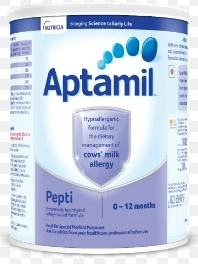
Aptamil Pepti Infant Formula 0 to 12 Months Tin 400gm
Brand: Nutricia International Private Limited
₹2000.00₹1960.00
View Details


Neocate LCP Infant Formula Powder 400GM
Brand: Nutricia International Private Limited
₹3300.00₹3234.00
View Details
Web Stories


Popular Lab Test






Live Doctor consultation
Live Doctor Chat

Fees ₹99
General Physician
Fees ₹99
General Physician
Fees ₹99
General Physician

Dr. Syed Mukhtar Mohiuddin
MBBS, MD , Fellowship in Diabetes Mellitus (UK)
- 7 Years
- English
Available at 00:00 to 07:00
Fees ₹99
General Physician
Fees ₹99
General Physician
Download Our App & Get Consultation from anywhere.