- Published on: May 28, 2025
- 3 minute read
- By: Secondmedic Expert
COVID-19 Cases Rising Again In 2025: What You Need To Know




Introduction
After a few quiet years, COVID-19 is once again making headlines in 2025. Many people thought the virus was gone for good, but recent data shows a steady rise in new cases across several countries, including India. While the current variants may not be as deadly as those in the past, it's still important to stay alert and take precautions.
This blog will help you understand why COVID-19 cases are increasing again, what symptoms to look for, how to protect yourself, and why vaccination is still important. Let’s break it down in simple terms.
Why Are COVID-19 Cases Rising Again in 2025?
Health experts say that the recent rise in COVID-19 cases is due to several reasons:
1. New Variants Emerging
The virus is constantly changing. In 2025, a new Omicron sub-variant has been spreading faster than older versions. These new variants may not cause severe illness but are highly contagious, meaning more people are getting infected quickly.
2. People Letting Their Guard Down
Many people have stopped wearing masks or washing hands regularly. With large gatherings, events, and travel back to normal, the virus has more chances to spread.
3. Vaccination Gaps
Booster shots are essential for continued protection, especially for older adults and people with weak immune systems. However, a large number of people in India haven’t taken the latest COVID-19 booster.
4. Seasonal Changes
Just like the flu, COVID-19 seems to rise with seasonal shifts, especially in colder months when people spend more time indoors.
Common Symptoms in 2025
The symptoms of the latest COVID-19 variant are slightly different from those we saw in the early years of the pandemic. Most people are experiencing:
-
Sore throat
-
Dry cough
-
Fatigue or tiredness
-
Nasal congestion or runny nose
-
Headache
-
Mild fever or chills
Most cases are mild, and people recover at home. However, the elderly or people with chronic conditions like diabetes or heart problems should be more careful.
What To Do If You Feel Sick
If you notice any of the symptoms mentioned above:
-
Stay home and isolate yourself.
-
Wear a mask to avoid spreading the virus to others.
-
Take a COVID-19 test (at home or at a nearby health center).
-
Monitor your oxygen levels with a pulse oximeter.
-
Stay hydrated and rest.
-
Talk to a doctor online or in person if symptoms worsen.
You can book online consultations and COVID tests from trusted platforms like SecondMedic for quick support.
Importance of Vaccination in 2025
Many people wonder: “If I’ve already had COVID or got vaccinated earlier, do I still need a booster?”
The answer is yes.
Here’s why:
-
Immunity from old vaccines can fade over time.
-
New variants may escape older protection, but boosters are updated to fight them better.
-
Getting a booster shot can reduce the risk of severe illness, hospitalization, or death.
People above 60, pregnant women, and those with chronic conditions should get vaccinated or take a booster dose as soon as possible.
How To Protect Yourself and Others
Even though the current wave is not as dangerous as the earlier ones, it's still better to be safe than sorry. Follow these simple steps to reduce your risk:
1. Wear a Mask
Use a good quality mask like N95 when you're in crowded places like markets, public transport, or hospitals.
2. Wash Hands Regularly
Use soap or hand sanitizer, especially after touching public surfaces.
3. Avoid Crowds
If you’re feeling unwell, stay home. Avoid crowded events if possible.
4. Ventilate Rooms
If you're indoors, make sure there is proper airflow.
5. Stay Updated
Check your local health department's guidelines and case updates regularly.
What the Government Is Saying
Health departments in India and globally are keeping a close watch. So far, there are no full lockdowns, but some states have started recommending masks and social distancing in public places.
Airports, hospitals, and some schools have reintroduced temperature checks and COVID screening. The government is also encouraging people to get booster doses and has increased vaccine availability in public and private hospitals.
Online Healthcare Services: A Safer Option
One major lesson we’ve learned from the pandemic is the power of online healthcare. Teleconsultations and medicine delivery have made healthcare safer and more convenient.
Websites like SecondMedic allow you to:
-
Book COVID tests at home
-
Consult doctors online
-
Order COVID safety kits and medicines
-
Schedule vaccinations
It’s a safe and smart way to avoid hospital visits unless absolutely necessary.
Final Words
We all hoped COVID-19 was behind us, but the recent rise in cases reminds us that the virus is still around. The good news is, we’re better prepared than before. With awareness, vaccination, and some basic precautions, we can stay safe and healthy.
Let’s not ignore the signs or take unnecessary risks. Whether it’s wearing a mask, getting a booster, or staying informed — every step counts.
Conclusion
As COVID-19 cases rise again in 2025, don’t panic — but don’t ignore it either. The virus may not be as deadly, but it’s still affecting lives. Protect yourself and your loved ones by staying informed, taking your booster, and being responsible.
If you’re looking for fast, trusted help — from COVID tests to doctor consultations — visit www.secondmedic.com today.
Stay safe and stay informed about “COVID-19 Cases Rising Again in 2025: What You Need to Know.”
Read FAQs
A. COVID-19 cases are increasing due to new highly transmissible variants, low booster vaccination rates, and reduced use of masks and social distancing.
A. Common symptoms include sore throat, dry cough, fatigue, headache, nasal congestion, and mild fever. Most cases are mild but still need attention.
A. Yes. Booster shots are recommended, especially for the elderly and people with chronic conditions, as they offer protection against new variants.
A. While most cases are mild, the virus can still be risky for vulnerable groups. Precaution and early treatment are key.
A. You can book online consultations, home tests, and vaccinations at trusted platforms like SecondMedic.


Monthly Healthy Potluck at Health Hubs: Building Community-Centered Preventive Wellness in India
India is facing a growing burden of lifestyle-related health conditions, including diabetes, obesity, hypertension and heart disease. According to ICMR and NFHS-5 data, dietary habits play a central role in the development and prevention of these conditions. While awareness around nutrition is increasing, sustaining healthy eating habits remains a challenge for many individuals.
The Monthly Healthy Potluck at Health Hubs is a community-driven initiative designed to address this gap. By bringing people together around nutritious food, shared learning and expert guidance, these potlucks transform healthy eating from an individual responsibility into a collective experience.
SecondMedic supports these events as part of its broader preventive healthcare mission, combining community engagement with medical expertise and digital health tools.
Why Community-Based Nutrition Initiatives Matter in India
1. Rising lifestyle disease burden
ICMR reports show that diet-related conditions account for a significant proportion of non-communicable diseases in India. Excess sugar, refined carbohydrates and processed foods are common contributors.
2. Nutrition knowledge gaps
NFHS-5 highlights widespread deficiencies in:
-
protein intake
-
micronutrients
-
dietary diversity
Community events help translate knowledge into practice.
3. Behaviour change is easier together
Research published in The Lancet suggests that group-based interventions are more effective in sustaining lifestyle changes than isolated efforts.
4. Cultural relevance of shared meals
Food is deeply social in Indian culture. Potlucks leverage this tradition to promote healthier choices without imposing rigid rules.
What Is the Monthly Healthy Potluck at Health Hubs?
The Monthly Healthy Potluck is a recurring wellness event hosted at designated Health Hubs. Participants bring healthy, home-prepared dishes and engage in guided discussions about nutrition, ingredients and portion balance.
The goal is not calorie counting, but mindful, informed eating that aligns with preventive health principles.
Key Components of the Healthy Potluck Program
1. Nutritious Home-Cooked Food
Participants are encouraged to prepare dishes using:
-
whole grains
-
seasonal vegetables
-
lean proteins
-
healthy fats
-
minimal added sugar and salt
This showcases practical, everyday meals rather than restrictive diets.
2. Nutrition Education in Simple Language
Dietitians and healthcare professionals explain:
-
why certain ingredients are beneficial
-
how portion sizes affect metabolism
-
ways to modify traditional recipes for better health
This bridges the gap between theory and daily cooking.
3. Peer Learning and Motivation
Participants learn from each other’s recipes, challenges and successes. This shared experience builds motivation and accountability.
4. Preventive Health Focus
Discussions link food choices to prevention of:
-
diabetes
-
heart disease
-
obesity
-
gut disorders
-
nutrient deficiencies
The emphasis is on long-term wellbeing, not short-term fixes.
Who Can Benefit from Monthly Healthy Potlucks?
Working professionals
Learn quick, balanced meal ideas suited for busy schedules.
Families
Encourage healthier eating habits for children and elders alike.
Seniors
Focus on nutrient-dense foods that support ageing and immunity.
Individuals with lifestyle conditions
Gain practical guidance for diabetes-friendly, heart-healthy or weight-conscious meals.
Health-conscious individuals
Build consistency and community support around wellness goals.
The Role of Health Hubs in Preventive Care
Health Hubs act as physical spaces where preventive healthcare becomes accessible and engaging. By hosting regular potlucks, these hubs move beyond diagnostics and consultations to address everyday behaviours that shape health outcomes.
SecondMedic integrates these community activities with:
-
preventive screening programs
-
nutrition consultations
-
AI Health Guide insights
-
digital health records
This ensures that learning from the potluck translates into measurable health improvements.
How AI Health Guide Enhances Community Nutrition Programs
SecondMedic’s AI Health Guide complements potluck initiatives by:
• Identifying common dietary gaps
Based on participant data and screening results.
• Personalising recommendations
Aligns food choices with individual health profiles.
• Tracking progress over time
Monitors changes in weight, glucose, cholesterol and energy levels.
• Supporting expert guidance
Provides data-backed insights for dietitians during discussions.
This blend of community engagement and technology strengthens preventive outcomes.
Benefits of Monthly Healthy Potlucks
1. Improved nutrition awareness
Participants gain clarity on healthy ingredients and cooking methods.
2. Sustainable behaviour change
Monthly repetition reinforces habits without overwhelm.
3. Reduced reliance on processed food
Exposure to simple, healthy recipes encourages home cooking.
4. Stronger community bonds
Shared goals foster trust, motivation and support.
5. Alignment with preventive healthcare
Nutrition becomes a proactive tool for disease prevention.
Long-Term Impact on Public Health
Community-driven initiatives like healthy potlucks can have a significant impact on public health outcomes. According to WHO and NITI Aayog, population-level dietary improvements are among the most cost-effective strategies for reducing non-communicable diseases.
By normalising healthy eating through social interaction, Monthly Healthy Potlucks contribute to:
-
reduced lifestyle disease risk
-
improved dietary diversity
-
greater health literacy
How SecondMedic Supports and Scales These Initiatives
SecondMedic plays a key role in ensuring that these events are structured, evidence-based and scalable by providing:
• Expert involvement
Dietitians and doctors guide discussions.
• Digital follow-up
Participants receive personalised insights post-event.
• Preventive health integration
Links potluck learnings with screenings and consultations.
• Community engagement tools
Newsletters, reminders and educational resources maintain momentum.
Conclusion
The Monthly Healthy Potluck at Health Hubs represents a powerful shift in how preventive healthcare is delivered in India. By combining community participation, nutrition education and expert guidance, these events make healthy eating practical, enjoyable and sustainable. Supported by SecondMedic’s preventive healthcare ecosystem, healthy potlucks transform everyday food choices into long-term wellness strategies.
7?? References
-
ICMR – Dietary Patterns and Lifestyle Disease Prevention
-
National Family Health Survey (NFHS-5) – Nutrition and Health Indicators
-
NITI Aayog – Preventive Health and Community Wellness Reports
-
WHO – Community-Based Nutrition Interventions Guidelines
-
Lancet – Effectiveness of Group-Based Lifestyle Interventions
-
Statista – Nutrition Awareness and Preventive Health Trends India
-
EY-FICCI – Preventive Healthcare and Community Engagement Studies
Our Services
Request A Callback
Recent Posts



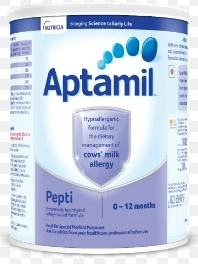
Aptamil Pepti Infant Formula 0 to 12 Months Tin 400gm
Brand: Nutricia International Private Limited
₹2000.00₹1960.00
View Details


Neocate LCP Infant Formula Powder 400GM
Brand: Nutricia International Private Limited
₹3300.00₹3234.00
View Details
Web Stories


Popular Lab Test






Live Doctor consultation
Live Doctor Chat

Fees ₹99
General Physician
Fees ₹99
General Physician
Fees ₹99
General Physician

Dr. Syed Mukhtar Mohiuddin
MBBS, MD , Fellowship in Diabetes Mellitus (UK)
- 7 Years
- English
Available at 00:00 to 07:00
Fees ₹99
General Physician
Fees ₹99
General Physician
Download Our App & Get Consultation from anywhere.