- Published on: Nov 03, 2021
- 2 minute read
- By: Second Medic Expert
Can A Person Get Pregnant While Taking The Pill?




Can a person get pregnant while taking the pill?
Your doctor originally prescribed it for one reason, to prevent pregnancy.
Many women use hormonal contraceptives in conjunction with other forms of contraception for added protection, but that's up to the individual or couple. Methods like condoms or diaphragms may also be more suitable for contexts where a woman is more concerned about STDs than about getting pregnant, such as same-sex relationships or long-distance relationships.
Birth control pill does not protect against STDs or other infection. The pill should be used in conjunction with a condom to prevent pregnancy and STDS. Women should also take precautions when consuming beverages containing alcohol while taking the birth control pill. This is because high levels of alcohol can interfere with contraception and increase a woman's risk of unprotected sex. Drinking a few alcoholic drinks doesn't mean you won't get pregnant, so it's important for women to always practice safe sex too.
Withdrawal bleeding, the monthly menstrual cycle, and ovulation all happen because of a hormone called progesterone. A person typically takes pills for 21 days followed by a pill-free period of seven days. During that time, their body doesn't produce any progesterone and levels gradually rise until they reach the maximum level in the middle of the cycle. The estrogen levels in her body will also increase during this time, which is what helps keep her reproductive tract in shape to support pregnancy. Pregnancy depends on cells lining up just right but that can't happen if there's no risk of exposure to sperm or if there are enough artificial hormones in play to disrupt them when they have lined up well enough.
If an egg is released while the woman is on her period and sperm can make their way to it, fertilization may occur; this is called ovulation. Pregnancy will not necessarily be avoided by using a contraceptive such as a pill if sex during your period occurs at some point when you are on active pills and ovulating.
If a person who is taking hormonal contraceptives is sexually active and also ovulatory, and there was unprotected intercourse around the time of ovulation, they can get pregnant. And contraceptive pills with estrogen do not sterilize women. If a woman is considering using the pharmaceutical as an option to not get pregnant, she must still think about other methods such as surgical sterilization or IUDs as well as having two forms of birth control every day-a form for prevention of pregnancy and another form for STD protection. If you take off your condom but use no other contraception you can get pregnant! Be safe :) And try always wearing a condom even on oral sex!
About 1 in every 4 pregnancies are the result of women who are taking oral contraceptives - which means, statistically speaking, it could happen to you! The birth control pill is designed to work primarily by preventing ovulation. A woman's estrogen and progesterone levels do not need to be low for her to become pregnant because she can still release eggs even while on birth control- although these eggs will most likely be immature and won't produce a fertilizable zygote that will attach to the uterine wall.
There is a short time space during which the woman taking birth control pills can get pregnant, and this time-space varies from 4-6 days depending on the type of pill that she's taking. Pregnancy is a possibility any time you have unprotected sex, or even when your birth control fails for whatever reason. The pill does not provide protection from STDs and the female birth control shot may also have unwanted side effects like weight gain and menstrual changes. Coworkers of mine got pregnant while still taking the pill because they forgot to take them one day (sleepy-time effect).
It's possible to get pregnant while on the pill if there is no condom used during sexual encounters between two people who are sexually active with each other because pregnancy can happen at any point in a woman’s monthly cycle. It has been proven that some babies will be born missing parts of their bodies.
The only foolproof method of not getting pregnant while taking the pill is to stick to one type and take the pills in the right way every day so that no "mistakes" can occur. The pill does not always block ovulation, so the person could get pregnant even while taking the pill. In fact, 5-8% of women on oral contraceptives get pregnant each year and evidence suggests this is because their pills aren't working properly. The chance of pregnancy while on birth control pills is also increased if a woman misses two or more consecutive doses due to less hormone in her system that week.

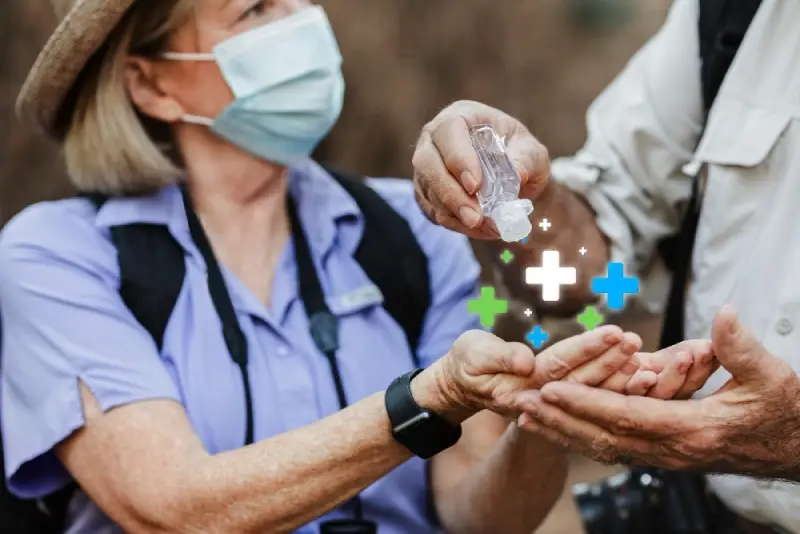
Monthly Field Day with Patients & Staff: Building Stronger Connections for Better Health
Healthcare outcomes are shaped not only by medical treatments but also by trust, communication and community engagement. As healthcare systems in India move toward preventive and patient-centric models, initiatives that foster meaningful interaction between patients and healthcare professionals are gaining importance. One such initiative is the Monthly Field Day with Patients & Staff.
A field day creates a shared space where patients and healthcare teams interact beyond clinical settings. These interactions humanise healthcare, improve understanding and encourage long-term wellness practices.
Why Community Engagement Matters in Healthcare
Modern healthcare recognises that health is influenced by behaviour, awareness and social support. According to the World Health Organization (WHO) and NITI Aayog, community-based health engagement improves preventive care adoption and patient outcomes.
Field days help bridge the gap between healthcare providers and patients by:
-
encouraging open dialogue
-
reducing fear and hesitation
-
promoting shared responsibility for health
What Is a Monthly Field Day with Patients & Staff?
A Monthly Field Day with Patients & Staff is a structured wellness initiative organised outside the routine clinical environment. It focuses on interaction, education and preventive health activities.
Typical elements include:
-
basic health screenings
-
lifestyle education sessions
-
fitness or relaxation activities
-
informal conversations with healthcare staff
-
family and caregiver participation
The aim is to create a supportive and approachable healthcare experience.
Why Monthly Frequency Matters
Consistency is key in behaviour change and preventive health.
Monthly field days:
-
reinforce health messages regularly
-
build familiarity and trust
-
allow continuous follow-up
-
keep wellness top of mind
According to public health studies, repeated engagement significantly improves health literacy and adherence.
Benefits for Patients
1. Improved Health Awareness
Patients gain better understanding of:
-
chronic disease management
-
preventive screenings
-
nutrition and lifestyle habits
Education in informal settings improves retention.
2. Increased Comfort with Healthcare Teams
Regular interaction reduces anxiety and hesitation around seeking medical care.
Patients are more likely to:
-
ask questions
-
follow medical advice
-
attend follow-ups
3. Early Risk Identification
Field days often include basic screenings that help detect:
-
high blood pressure
-
elevated blood sugar
-
obesity risk
Early identification enables timely intervention.
4. Enhanced Emotional Wellbeing
Social interaction and community activities reduce feelings of isolation, especially among elderly or chronically ill patients.
Benefits for Healthcare Staff
1. Better Understanding of Patient Needs
Direct interaction outside clinical settings helps staff understand patient challenges more holistically.
2. Improved Communication Skills
Informal engagement strengthens empathy and communication effectiveness.
3. Reduced Burnout
Positive patient interaction and community appreciation contribute to staff morale and job satisfaction.
WHO recognises staff wellbeing as a critical factor in healthcare quality.
Role of Field Days in Preventive Healthcare
Preventive healthcare focuses on reducing disease burden before complications arise. Field days support prevention by:
-
promoting routine screenings
-
encouraging healthy lifestyle habits
-
addressing myths and misconceptions
-
reinforcing long-term care plans
NITI Aayog identifies community engagement as a cornerstone of preventive healthcare strategies.
Activities Commonly Included in Field Days
Health Screening Stations
Blood pressure, blood sugar, BMI and basic assessments.
Wellness Education
Short talks on nutrition, exercise, sleep and stress.
Interactive Sessions
Q&A discussions with doctors, nurses and health educators.
Physical Activities
Group walks, yoga sessions or light exercises.
Family Engagement
Including caregivers improves adherence and support systems.
Impact on Chronic Disease Management
For patients with chronic conditions such as diabetes or hypertension, regular engagement:
-
improves medication adherence
-
reinforces lifestyle modification
-
reduces emergency visits
Lancet studies highlight that community-based interventions improve chronic disease outcomes.
Building Trust Through Transparency
Field days foster trust by:
-
making healthcare providers approachable
-
encouraging open dialogue
-
demonstrating commitment to patient wellbeing
Trust improves treatment adherence and satisfaction.
Role of Data and Feedback
Feedback collected during field days helps healthcare organisations:
-
identify common concerns
-
refine wellness programs
-
personalise future interventions
Data-driven engagement enhances program effectiveness.
Long-Term Impact on Healthcare Outcomes
Organisations that invest in regular patient-staff engagement observe:
-
higher patient satisfaction
-
improved preventive screening rates
-
reduced disease complications
-
stronger community relationships
According to WHO, patient-centred care models improve health outcomes and system efficiency.
Why Field Days Are Especially Relevant in India
India’s diverse population faces challenges such as:
-
limited health literacy
-
delayed care-seeking
-
chronic disease burden
Community-based initiatives like field days address these challenges through education and trust-building.
Conclusion
A Monthly Field Day with Patients & Staff is more than a community event—it is a strategic preventive healthcare initiative. By fostering open communication, promoting health awareness and strengthening relationships, field days improve patient engagement and staff wellbeing alike. In a healthcare landscape increasingly focused on prevention and community trust, regular field days play a vital role in building healthier, more connected communities.
References
-
ICMR – Community Health and Preventive Care Reports
-
National Family Health Survey (NFHS-5) – Health Awareness and Engagement Dat
-
NITI Aayog – Community-Based Preventive Healthcare Strategies
-
WHO – Patient-Centred Care and Community Health Guidelines
-
Lancet – Community Engagement and Health Outcome Studies
-
Statista – Healthcare Engagement and Preventive Care Trends India
-
EY-FICCI – Healthcare Workforce and Patient Engagement Reports
Our Services
Request A Callback
Recent Posts




Aptamil Pepti Infant Formula 0 to 12 Months Tin 400gm
Brand: Nutricia International Private Limited
₹2000.00₹1960.00
View Details


Neocate LCP Infant Formula Powder 400GM
Brand: Nutricia International Private Limited
₹3300.00₹3234.00
View Details
Web Stories


Popular Lab Test






Live Doctor consultation
Live Doctor Chat

Fees ₹99
General Physician
Fees ₹99
General Physician
Fees ₹99
General Physician

Dr. Syed Mukhtar Mohiuddin
MBBS, MD , Fellowship in Diabetes Mellitus (UK)
- 7 Years
- English
Available at 00:00 to 07:00
Fees ₹99
General Physician
Fees ₹99
General Physician
Download Our App & Get Consultation from anywhere.