- Published on: Mar 26, 2022
- 4 minute read
- By: Second Medic Expert
Blood Clot Symptoms: How To Tell If You Have One




Blood clotting is a crucial part of our body's natural defense mechanism against injuries. When we get cut, our blood vessels constrict to prevent us from losing too much blood and then platelets (tiny cells in our blood) come to the rescue and start clumping together to form a clot. This process usually happens quickly and efficiently to stop Bleeding. Clotting is essential for survival, but sometimes clots can form in areas where they're not needed - like in the legs or lungs - and that's when problems occur.
A blood clot is a clump of blood that has changed from a liquid to a gel-like or semisolid state. It can occur anywhere in the body, but most commonly forms in the legs and feet. Blood clots can be very dangerous because they can block blood flow and cause tissue damage. A blood clot is a mass of blood cells and other tissue that forms when the bleeding stops. Clots can occur in any blood vessel, but they're most common in the veins of the legs or arms. Blood clots are a serious medical condition that can lead to life-threatening complications, such as stroke or pulmonary embolism. Early diagnosis and treatment are essential for preventing serious complications. There are several different types of blood clots, including venous thrombosis, arterial thrombosis, and capillary thrombosis. Venous thrombosis is the most common type of clot, and it occurs when a clot forms in a vein.
There are many different reasons why someone may develop a blood clot, but some of the more common causes include trauma (from an injury), surgery, immobility (being immobilized for a long period of time), pregnancy, birth control pills, smoking, and certain medical conditions (including cancer, Heart Disease, and stroke). If you think you may have a blood clot, it is important to seek medical help immediately. Blood clots can be very dangerous and even life-threatening. There are two main types of blood clots: venous thromboembolisms (VTEs) and arterial thromboses. VTEs occur when a clot forms in a vein, typically in the leg. This is often due to immobility or injury. Arterial thromboses occur when a clot forms in an artery, typically in the heart or brain.
There are three main types of blood clots: arterial thrombi, venous thrombi, and capillary microthrombi. Arterial thrombi are the most dangerous type of clot because they can block the flow of oxygen-rich blood to the tissues. Venous thrombi tend to form in the veins and can cause pain, swelling, and other symptoms. A blood clot is a serious medical condition that can lead to major health complications if not treated properly. Blood clots can form in the arteries, veins, or both, and can be caused by a variety of factors. Some of the most common causes of blood clots include trauma, surgery, immobility, and certain medical conditions. While blood clots are often treatable with medications or surgical interventions, they can also be extremely dangerous. If a blood clot forms in an artery, it can block the flow of oxygen-rich blood to the heart or brain and lead to a heart attack or stroke. If a blood clot forms in a vein, it can cause pain, swelling, and potentially life-threatening infections. Like most things in the body, blood clotting is a complicated process. The short answer is that blood clots happen when the body's blood vessels are damaged and need to be repaired. To do this, the body release substances called platelets and fibrin, which work together to plug the leak and stop the bleeding.
However, sometimes this process goes awry and clots form in areas where there is no damage. This can happen for a variety of reasons, including genetic predisposition, certain medications, pregnancy, or advanced age. When these clots occur in veins (as opposed to arteries), they're called venous thromboembolisms (VTEs).
There are two types of blood clotting: Primary hemostasis and Secondary hemostasis: Primary hemostasis begins with vascular spasm. There are a few things that can cause blood clots, and it’s important to know what they are so you can be sure to avoid them. Some things that can cause blood clots to include:
- Physical inactivity. If you don’t move around much, your blood can start to pool and form clots.
- Smoking. This is a major risk factor for developing blood clots.
- Obesity. Being overweight increases your risk of developing blood clots.
- Birth control pills. These can increase the risk of developing blood clots, especially if you smoke or are over 35 years old.
- Pregnancy. This is another time when your risk of developing blood clots
Most people think of blood clots as something that can only happen in hospital settings – but they can actually occur anywhere. A blood clot is simply a mass of blood that has congealed and settled in one place. When these clots form inside arteries or veins, they can cut off the flow of blood to vital organs and tissues, potentially causing serious or life-threatening problems. The symptoms of a blood clot depend on where it is in your body. If a blood clot forms in your leg, for example, you may have swelling and pain in the affected area. If a blood clot forms in your lungs, it may be difficult to breathe. And if a blood clot forms in one of the deeper veins in your body, you may not have any symptoms at all. That said, there are some common signs and symptoms that could indicate that you have a blood clot, and it’s important to be aware of them so that you can get treatment as soon as possible. There are a few different symptoms that can signal that you have a blood clot. If you experience any of the following, it's important to contact a doctor immediately:
-Sudden swelling in one leg or arm
-Severe pain or cramping in one leg or arm
-Redness, warmth, or tenderness in one leg or arm
-A visible lump or knot on your body where the blood clot is located
-Shortness of breath, coughing up blood, or chest pain (these could indicate that the blood
There are a few tell-tale signs that you may have a blood clot. Firstly, you may notice that your skin is red and warm to the touch in the area where the clot is located. Secondly, you may feel pain or tenderness in the affected area. Lastly, your skin may begin to resemble cottage cheese or feel thick and heavy. If you experience any of these symptoms, it is important to seek medical attention immediately as blood clots can be very dangerous.
There are a few key symptoms that can help you tell if you have a blood clot. First, if you have pain or tenderness in the area of the clot, it's likely that there is a clot present. Secondly, if the area feels warm to the touch or is red and inflamed, this could be another sign of a blood clot. Finally, if you have swelling in the affected area, this is also indicative of a blood clot. If you experience any of these symptoms, it's important to see a doctor as soon as possible so that medications can be prescribed to dissolve the clot.
If you have any symptoms of a blood clot, it's important to get medical attention right away. Blood clots can be life-threatening if they break loose and travel to your lungs, heart, or brain. Symptoms of a blood clot may include Sudden shortness of breath, Chest pain or pain in your shoulder, arm, back, or jaw, A “coughing up blood” feeling (although this may actually be coughing up red mucus), Sudden dizziness or fainting Pain, warmth, or redness in your leg(s).

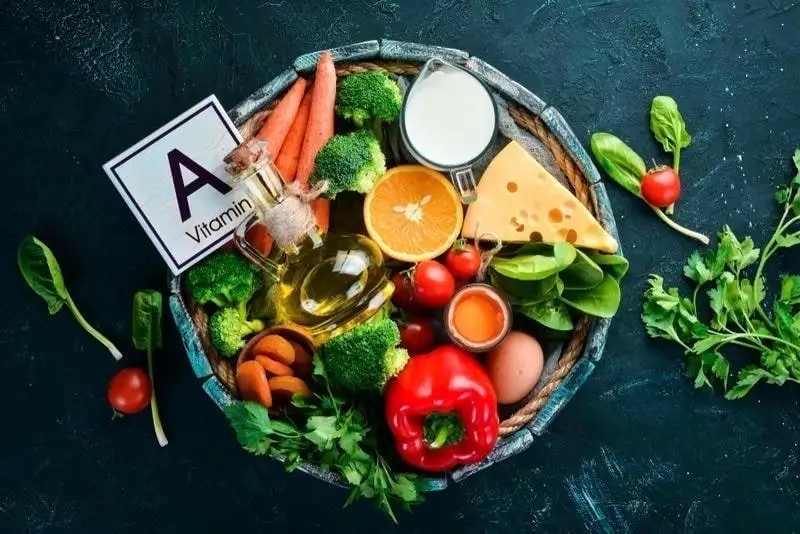
Role of Nutrition in Disease Prevention: How Food Choices Shape Long-Term Health
Disease prevention is no longer limited to vaccinations and medical screenings. Modern healthcare increasingly recognises nutrition as one of the most powerful tools for preventing illness before it begins. The role of nutrition in disease prevention is especially important in India, where lifestyle-related diseases account for a large share of premature illness and mortality.
According to the Indian Council of Medical Research (ICMR) and the National Family Health Survey (NFHS-5), poor dietary patterns contribute significantly to rising cases of diabetes, heart disease, obesity and hypertension. Unlike genetic factors, nutrition is a modifiable risk factor, meaning everyday food choices can actively protect health.
Why Nutrition Is Central to Disease Prevention
1. Nutrition regulates metabolic health
Balanced diets help maintain:
-
healthy blood sugar levels
-
optimal cholesterol balance
-
stable blood pressure
Disruption in these systems increases disease risk.
2. Nutrition strengthens immunity
WHO highlights that immune function depends heavily on adequate intake of vitamins, minerals and protein.
3. Nutrition controls inflammation
Chronic low-grade inflammation is linked to most lifestyle diseases. Diets rich in whole foods reduce inflammatory markers.
Major Diseases Influenced by Nutrition
Diabetes and Prediabetes
Excess refined carbohydrates and sugar drive insulin resistance.
Preventive nutrition focuses on:
-
whole grains
-
fibre-rich vegetables
-
adequate protein
-
controlled portion sizes
ICMR data shows that dietary modification can delay or prevent type 2 diabetes in high-risk individuals.
Cardiovascular Disease
Heart disease remains a leading cause of death in India.
Nutrition impacts:
-
cholesterol levels
-
blood pressure
-
arterial inflammation
Diets low in trans fats and high in fibre significantly reduce cardiovascular risk, as confirmed by WHO and Lancet studies.
Obesity
Obesity increases the risk of multiple chronic diseases.
Preventive nutrition addresses:
-
calorie density
-
food quality
-
satiety regulation
NFHS-5 reports a steady rise in overweight and obesity across age groups.
Hypertension
High sodium intake and low potassium intake contribute to high blood pressure.
Preventive dietary strategies include:
-
reducing processed foods
-
increasing fruits and vegetables
-
maintaining mineral balance
Certain Cancers
Diet influences cancer risk through:
-
antioxidant intake
-
fibre consumption
-
reduced exposure to carcinogenic compounds
WHO estimates that a significant percentage of cancers are preventable through diet and lifestyle changes.
Key Nutrients That Support Disease Prevention
Fibre
Supports gut health, blood sugar control and cholesterol reduction.
Protein
Essential for muscle health, immune function and metabolic balance.
Healthy Fats
Omega-3 fats reduce inflammation and protect heart health.
Micronutrients
Iron, zinc, vitamin D and B vitamins are essential for metabolic and immune regulation.
NFHS-5 highlights widespread micronutrient deficiencies in India, increasing disease vulnerability.
Role of Gut Health in Prevention
The gut microbiome plays a major role in:
-
immune regulation
-
inflammation control
-
nutrient absorption
Fermented foods and fibre-rich diets support healthy gut bacteria, strengthening disease resistance.
Why Preventive Nutrition Works Best Early
Nutrition is most effective when applied:
-
before disease onset
-
during pre-disease stages
-
alongside regular health screening
Once disease progresses, nutrition remains supportive but may not reverse damage fully.
Nutrition vs Medication in Prevention
Medication treats disease; nutrition reduces risk.
WHO and NITI Aayog emphasize that:
-
preventive nutrition reduces disease incidence
-
lifestyle modification lowers healthcare burden
-
early nutrition changes reduce dependency on long-term medication
Both approaches work best when combined appropriately.
Workplace and Community Role in Preventive Nutrition
Structured nutrition programs at workplaces and communities:
-
improve awareness
-
support behaviour change
-
reduce population-level disease burden
Lancet studies show that group-based nutrition interventions improve long-term adherence.
Common Myths About Nutrition and Disease Prevention
Myth 1: Supplements replace healthy food
Whole foods provide better long-term protection.
Myth 2: Prevention requires extreme diets
Consistency matters more than restriction.
Myth 3: Nutrition only matters after diagnosis
Early nutrition is most effective before disease develops.
Building a Preventive Nutrition Routine
Effective preventive nutrition includes:
-
regular meals
-
diverse food groups
-
portion awareness
-
minimal processed foods
-
hydration
Small daily choices compound into long-term health benefits.
Long-Term Impact of Preventive Nutrition
Consistent healthy eating leads to:
-
reduced disease risk
-
improved energy and productivity
-
better immune resilience
-
lower healthcare costs
-
improved quality of life
NITI Aayog identifies nutrition as a cornerstone of sustainable healthcare systems.
Conclusion
Understanding the role of nutrition in disease prevention empowers individuals to take control of their health long before illness develops. Balanced, consistent nutrition reduces inflammation, supports immunity and protects against chronic diseases that burden India’s healthcare system. Preventive nutrition is not about short-term fixes but about building lifelong habits that support health, resilience and longevity.
References
-
ICMR – Nutrition and Lifestyle Disease Prevention Reports
-
National Family Health Survey (NFHS-5) – Dietary and Metabolic Health Data
-
NITI Aayog – Preventive Healthcare and Nutrition Strategy Reports
-
WHO – Diet, Nutrition and Chronic Disease Prevention Guidelines
-
Lancet – Nutrition and Disease Risk Reduction Studies
-
Statista – Dietary Trends and Health Outcomes India
-
EY-FICCI – Preventive Healthcare and Nutrition Economics
Our Services
Request A Callback
Recent Posts

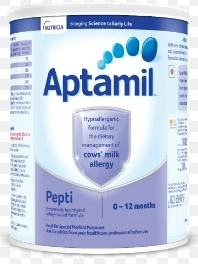
Aptamil Pepti Infant Formula 0 to 12 Months Tin 400gm
Brand: Nutricia International Private Limited
₹2000.00₹1960.00
View Details
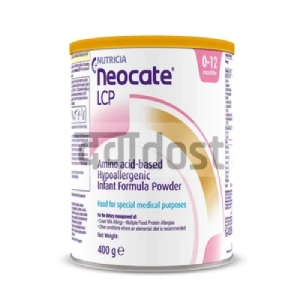
Neocate LCP Infant Formula Powder 400GM
Brand: Nutricia International Private Limited
₹3300.00₹3234.00
View Details
Web Stories


Popular Lab Test






Live Doctor consultation
Live Doctor Chat

Fees ₹99
General Physician
Fees ₹99
General Physician
Fees ₹99
General Physician

Dr. Syed Mukhtar Mohiuddin
MBBS, MD , Fellowship in Diabetes Mellitus (UK)
- 7 Years
- English
Available at 00:00 to 07:00
Fees ₹99
General Physician
Fees ₹99
General Physician
Download Our App & Get Consultation from anywhere.