- Published on: Jul 25, 2022
- 3 minute read
- By: Secondmedic Expert
Azithromycin Tablet Macrolide Antibiotics - A Comprehensive Guide To Uses, Side Effects, And More




In a world where bacterial infections can strike at any time, having a reliable antibiotic on hand is crucial. Azithromycin tablets, classified as macrolide antibiotics, have emerged as a frontline defense against a myriad of infections. From its uses to potential side effects, we delve into the depths of this wonder drug, shedding light on its benefits, risks, and the convenience of accessing it through online platforms.
Azithromycin Tablets – An Overview
Azithromycin, a member of the macrolide antibiotic family, is a potent weapon in the fight against bacterial infections. Marketed under various brand names, this antibiotic has gained popularity due to its broad-spectrum effectiveness against a wide range of bacteria.
Azithromycin Uses – A Multifaceted Approach
Azithromycin's versatility is one of its standout features. From respiratory tract infections and skin infections to sexually transmitted diseases, this antibiotic plays a pivotal role in combating bacterial invaders. Its mechanism of action involves inhibiting bacterial protein synthesis, making it a formidable force against various strains.
When it comes to respiratory infections, azithromycin is often prescribed for conditions like bronchitis, pneumonia, and sinusitis. Its ability to concentrate in the lungs makes it particularly effective in tackling respiratory pathogens.
In the realm of skin infections, azithromycin proves its mettle against the likes of cellulitis and impetigo. Its ability to penetrate skin tissues ensures a targeted attack on bacterial culprits, facilitating a quicker recovery.
Sexually transmitted diseases such as chlamydia and gonorrhea also succumb to the power of azithromycin. Its effectiveness in single-dose regimens makes it a convenient choice for treating these infections.
Azithromycin Tablet – Your Shield Against Respiratory Ailments
When it comes to respiratory infections, azithromycin tablets take center stage. These tablets, available in various strengths, offer a convenient and effective way to combat bacterial invaders. Whether prescribed for a short course or a longer duration, azithromycin tablets are designed to provide sustained relief, helping you breathe easy.
Exploring Azithromycin Side Effects – What You Need to Know
While azithromycin is a potent ally in the battle against bacterial infections, it's essential to be aware of potential side effects. Like any medication, azithromycin may cause adverse reactions in some individuals.
Common side effects include nausea, diarrhea, abdominal pain, and headache. These symptoms are usually mild and transient, resolving on their own as the body adjusts to the medication. However, if these side effects persist or worsen, it's crucial to seek medical advice.
In rare cases, azithromycin may cause more serious side effects, such as liver problems or allergic reactions. If you experience yellowing of the eyes or skin, persistent nausea or vomiting, or signs of an allergic reaction (e.g., rash, itching, swelling), seek immediate medical attention.
Azithromycin Side Effects – Navigating the Potential Risks
Understanding the potential risks associated with azithromycin is paramount for informed decision-making. It's crucial to note that the majority of individuals tolerate azithromycin well, and serious side effects are rare. However, as with any medication, the key lies in being vigilant and seeking prompt medical attention if any concerning symptoms arise.
Ordering Medicine Online – A Convenient Solution
In today's fast-paced world, convenience is a prized commodity. The ability to order medicine online has revolutionized the way we access essential medications. Azithromycin tablets, with their widespread use, are no exception.
Ordering azithromycin online provides a hassle-free solution for those in need. With just a few clicks, you can have this essential antibiotic delivered to your doorstep. This convenience is especially valuable when dealing with infections that require prompt treatment.
Online Doctor Consultation – Bridging the Gap Between You and Expert Advice
The digital age has brought about a transformative shift in healthcare access. Online doctor consultation services offer a bridge between you and expert medical advice. When considering azithromycin or any other medication, consulting with a healthcare professional online provides a convenient and efficient way to address your health concerns.
Whether you're seeking a prescription for azithromycin or simply want guidance on its use, online doctor consultations offer a personalized approach to healthcare. This virtual interaction ensures that you receive expert advice without the need for a physical visit to a clinic.
Azithromycin Tablet – Your Accessible Ally in the Fight Against Infections
The accessibility of azithromycin tablets is a game-changer in the realm of antibiotic therapy. Whether you're dealing with a respiratory infection, skin ailment, or a sexually transmitted disease, having this reliable ally within reach is invaluable.
In conclusion, azithromycin tablets stand as a testament to the advancements in antibiotic therapy. From their multifaceted uses to the potential side effects, understanding the nuances of this macrolide antibiotic is essential for informed healthcare decisions. With the added convenience of ordering medicine online and seeking expert advice through virtual consultations, the power to protect yourself against bacterial infections has never been more accessible. Embrace the convenience, but do so with knowledge and responsibility, ensuring that azithromycin remains the potent and reliable ally it was designed to be.
Read FAQs
A. Common side effects of azithromycin include nausea, diarrhea, abdominal pain, and headache. These are usually mild and temporary, but if they persist or worsen, it's advisable to seek medical advice promptly.
A. Azithromycin is a versatile antibiotic used to treat a wide range of bacterial infections. It is commonly prescribed for respiratory tract infections (e.g., bronchitis, pneumonia), skin infections, and sexually transmitted diseases (e.g., chlamydia, gonorrhea). Its effectiveness and broad-spectrum nature make it a popular choice for various infections.
A. The best use of azithromycin depends on the specific bacterial infection being treated. It is crucial to follow the prescribed dosage and duration recommended by a healthcare professional.


Role of Nutrition in Disease Prevention: How Food Choices Shape Long-Term Health
Disease prevention is no longer limited to vaccinations and medical screenings. Modern healthcare increasingly recognises nutrition as one of the most powerful tools for preventing illness before it begins. The role of nutrition in disease prevention is especially important in India, where lifestyle-related diseases account for a large share of premature illness and mortality.
According to the Indian Council of Medical Research (ICMR) and the National Family Health Survey (NFHS-5), poor dietary patterns contribute significantly to rising cases of diabetes, heart disease, obesity and hypertension. Unlike genetic factors, nutrition is a modifiable risk factor, meaning everyday food choices can actively protect health.
Why Nutrition Is Central to Disease Prevention
1. Nutrition regulates metabolic health
Balanced diets help maintain:
-
healthy blood sugar levels
-
optimal cholesterol balance
-
stable blood pressure
Disruption in these systems increases disease risk.
2. Nutrition strengthens immunity
WHO highlights that immune function depends heavily on adequate intake of vitamins, minerals and protein.
3. Nutrition controls inflammation
Chronic low-grade inflammation is linked to most lifestyle diseases. Diets rich in whole foods reduce inflammatory markers.
Major Diseases Influenced by Nutrition
Diabetes and Prediabetes
Excess refined carbohydrates and sugar drive insulin resistance.
Preventive nutrition focuses on:
-
whole grains
-
fibre-rich vegetables
-
adequate protein
-
controlled portion sizes
ICMR data shows that dietary modification can delay or prevent type 2 diabetes in high-risk individuals.
Cardiovascular Disease
Heart disease remains a leading cause of death in India.
Nutrition impacts:
-
cholesterol levels
-
blood pressure
-
arterial inflammation
Diets low in trans fats and high in fibre significantly reduce cardiovascular risk, as confirmed by WHO and Lancet studies.
Obesity
Obesity increases the risk of multiple chronic diseases.
Preventive nutrition addresses:
-
calorie density
-
food quality
-
satiety regulation
NFHS-5 reports a steady rise in overweight and obesity across age groups.
Hypertension
High sodium intake and low potassium intake contribute to high blood pressure.
Preventive dietary strategies include:
-
reducing processed foods
-
increasing fruits and vegetables
-
maintaining mineral balance
Certain Cancers
Diet influences cancer risk through:
-
antioxidant intake
-
fibre consumption
-
reduced exposure to carcinogenic compounds
WHO estimates that a significant percentage of cancers are preventable through diet and lifestyle changes.
Key Nutrients That Support Disease Prevention
Fibre
Supports gut health, blood sugar control and cholesterol reduction.
Protein
Essential for muscle health, immune function and metabolic balance.
Healthy Fats
Omega-3 fats reduce inflammation and protect heart health.
Micronutrients
Iron, zinc, vitamin D and B vitamins are essential for metabolic and immune regulation.
NFHS-5 highlights widespread micronutrient deficiencies in India, increasing disease vulnerability.
Role of Gut Health in Prevention
The gut microbiome plays a major role in:
-
immune regulation
-
inflammation control
-
nutrient absorption
Fermented foods and fibre-rich diets support healthy gut bacteria, strengthening disease resistance.
Why Preventive Nutrition Works Best Early
Nutrition is most effective when applied:
-
before disease onset
-
during pre-disease stages
-
alongside regular health screening
Once disease progresses, nutrition remains supportive but may not reverse damage fully.
Nutrition vs Medication in Prevention
Medication treats disease; nutrition reduces risk.
WHO and NITI Aayog emphasize that:
-
preventive nutrition reduces disease incidence
-
lifestyle modification lowers healthcare burden
-
early nutrition changes reduce dependency on long-term medication
Both approaches work best when combined appropriately.
Workplace and Community Role in Preventive Nutrition
Structured nutrition programs at workplaces and communities:
-
improve awareness
-
support behaviour change
-
reduce population-level disease burden
Lancet studies show that group-based nutrition interventions improve long-term adherence.
Common Myths About Nutrition and Disease Prevention
Myth 1: Supplements replace healthy food
Whole foods provide better long-term protection.
Myth 2: Prevention requires extreme diets
Consistency matters more than restriction.
Myth 3: Nutrition only matters after diagnosis
Early nutrition is most effective before disease develops.
Building a Preventive Nutrition Routine
Effective preventive nutrition includes:
-
regular meals
-
diverse food groups
-
portion awareness
-
minimal processed foods
-
hydration
Small daily choices compound into long-term health benefits.
Long-Term Impact of Preventive Nutrition
Consistent healthy eating leads to:
-
reduced disease risk
-
improved energy and productivity
-
better immune resilience
-
lower healthcare costs
-
improved quality of life
NITI Aayog identifies nutrition as a cornerstone of sustainable healthcare systems.
Conclusion
Understanding the role of nutrition in disease prevention empowers individuals to take control of their health long before illness develops. Balanced, consistent nutrition reduces inflammation, supports immunity and protects against chronic diseases that burden India’s healthcare system. Preventive nutrition is not about short-term fixes but about building lifelong habits that support health, resilience and longevity.
References
-
ICMR – Nutrition and Lifestyle Disease Prevention Reports
-
National Family Health Survey (NFHS-5) – Dietary and Metabolic Health Data
-
NITI Aayog – Preventive Healthcare and Nutrition Strategy Reports
-
WHO – Diet, Nutrition and Chronic Disease Prevention Guidelines
-
Lancet – Nutrition and Disease Risk Reduction Studies
-
Statista – Dietary Trends and Health Outcomes India
-
EY-FICCI – Preventive Healthcare and Nutrition Economics
Our Services
Request A Callback
Recent Posts



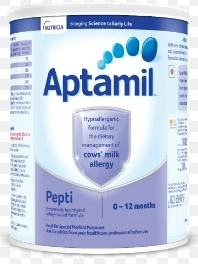
Aptamil Pepti Infant Formula 0 to 12 Months Tin 400gm
Brand: Nutricia International Private Limited
₹2000.00₹1960.00
View Details


Neocate LCP Infant Formula Powder 400GM
Brand: Nutricia International Private Limited
₹3300.00₹3234.00
View Details
Web Stories


Popular Lab Test






Live Doctor consultation
Live Doctor Chat

Fees ₹99
General Physician

Dr. Syed Mukhtar Mohiuddin
MBBS, MD , Fellowship in Diabetes Mellitus (UK)
- 7 Years
- English
Available at 00:00 to 07:00
Fees ₹99
General Physician
Fees ₹99
General Physician
Fees ₹99
General Physician
Fees ₹99
General Physician
Download Our App & Get Consultation from anywhere.