- Published on: Apr 30, 2025
- 3 minute read
- By: Secondmedic Expert
Air Pollution & Respiratory Health: Understanding The Impact And Taking Action




Introduction
Air pollution has become a growing concern in India, especially in urban and industrial areas. One of the most serious effects of air pollution is its impact on respiratory health. As pollution levels continue to rise, it’s important for people to understand how polluted air affects their lungs and overall breathing. This blog will explain what air pollution is, how it harms the respiratory system, and what steps you can take to protect yourself and your loved ones.
What is Air Pollution?
Air pollution is the presence of harmful substances in the air that we breathe. These substances, known as pollutants, can come from both natural and man-made sources. The major air pollutants include:
-
Particulate Matter (PM2.5 and PM10) – Tiny particles from vehicles, factories, and construction that can enter the lungs.
-
Carbon Monoxide (CO) – A colorless gas produced by burning fuel.
-
Nitrogen Dioxide (NO?) – Released from vehicle exhaust and industrial activities.
-
Sulfur Dioxide (SO?) – Mainly from burning coal and oil.
-
Ozone (O?) – A gas that forms when sunlight reacts with pollutants.
These pollutants are invisible but have a big impact on our health, especially when inhaled over long periods.
Sources of Air Pollution in India
In India, air pollution comes from a variety of sources:
-
Vehicle emissions – The rising number of cars and bikes contribute heavily to pollution, especially in cities.
-
Industrial discharge – Factories and power plants release gases and smoke into the air.
-
Construction dust – Rapid urban development leads to dust and debris in the air.
-
Burning of biomass – In rural areas, wood, dung, and crop residues are often burned for cooking or heating.
-
Stubble burning – Common in northern states during harvest seasons.
-
Household emissions – Use of traditional stoves and fuels in homes adds to indoor pollution.
Together, these factors make the air in many Indian cities dangerous to breathe.
How Air Pollution Affects Respiratory Health
The respiratory system includes the nose, throat, windpipe, and lungs. When we breathe in polluted air, harmful particles and gases enter the body and cause a number of problems:
1. Asthma
Pollution can trigger asthma attacks or make existing asthma worse. It causes inflammation in the airways, making it hard to breathe.
2. Chronic Obstructive Pulmonary Disease (COPD)
This includes long-term conditions like chronic bronchitis and emphysema. Exposure to polluted air over time is a major risk factor for COPD.
3. Lung Cancer
Long-term exposure to fine particulate matter (PM2.5) increases the risk of developing lung cancer, even in people who don’t smoke.
4. Respiratory Infections
Children and elderly people are especially prone to infections like pneumonia and bronchitis when the air is polluted.
5. Worsening of Existing Conditions
For people already suffering from respiratory diseases, poor air quality can lead to more frequent doctor visits and hospitalizations.
Who is Most at Risk?
While air pollution affects everyone, some people are more vulnerable:
-
Children – Their lungs are still developing, and they breathe faster, which means they inhale more pollutants.
-
Elderly people – They often have weaker immune systems and pre-existing health problems.
-
People with lung or heart conditions – They may suffer more severely from pollution.
-
Outdoor workers – People like traffic police, street vendors, and construction workers are at greater risk due to long hours spent outside.
Air Pollution in Indian Cities
Several Indian cities are among the most polluted in the world. Cities like Delhi, Kanpur, Patna, and Lucknow often report extremely high levels of PM2.5, especially in winter. During these times, the air quality can be so poor that it is considered "hazardous." This not only affects day-to-day health but also reduces life expectancy over the long term.
Steps You Can Take to Protect Yourself
While it may not be possible to eliminate air pollution immediately, there are many things individuals can do to reduce their risk:
1. Check Air Quality Index (AQI)
Use AQI apps or websites to stay informed. Avoid outdoor activities when air quality is very poor.
2. Use Masks
Wearing an N95 or N99 mask helps filter out harmful particles when pollution is high.
3. Stay Indoors
On days with high pollution levels, try to stay indoors, especially during peak traffic hours.
4. Use Air Purifiers
Installing air purifiers at home can help improve indoor air quality, particularly for those with respiratory problems.
5. Improve Ventilation
Ensure good airflow in your home but avoid opening windows during high-pollution periods.
6. Plant Trees
Green spaces help clean the air. If possible, plant trees or keep air-purifying indoor plants like snake plant, aloe vera, or peace lily.
7. Switch to Cleaner Fuels
Using LPG or electricity for cooking instead of wood or coal helps reduce indoor air pollution.
What Can Communities and Governments Do?
Large-scale solutions require action from the government and communities:
-
Promoting public transport and reducing the number of private vehicles.
-
Controlling industrial emissions and enforcing pollution control norms.
-
Creating green zones and increasing tree cover in cities.
-
Encouraging use of cleaner fuels and technologies in homes and factories.
-
Educating people about the risks of pollution and how to protect themselves.
Conclusion
Air pollution is a serious threat to respiratory health, especially in a country like India where pollution levels are high in many areas. From asthma to lung cancer, the effects can be severe and long-lasting. However, by staying informed and taking simple precautions, individuals can reduce their risk. It’s also important to support broader actions that aim to reduce pollution at the source.
If you’re concerned about how pollution may be affecting your breathing or health, talk to a healthcare expert. Protect your lungs, stay informed, and take action—because Air Pollution & Respiratory Health should never be ignored.
Read FAQs
A. Polluted air can irritate the airways, cause inflammation, and lead to diseases like asthma, COPD, and lung cancer.
A. Children, elderly people, and those with pre-existing respiratory or heart conditions are more vulnerable.
A. Yes, air purifiers can improve indoor air quality and reduce the inhalation of harmful pollutants.
A. Coughing, wheezing, shortness of breath, and chest tightness are common symptoms.
A. Regular health checkups like Thyrocare’s Aarogyam packages through SecondMedic.com can help detect early signs of pollution-related issues.


Role of Nutrition in Disease Prevention: How Food Choices Shape Long-Term Health
Disease prevention is no longer limited to vaccinations and medical screenings. Modern healthcare increasingly recognises nutrition as one of the most powerful tools for preventing illness before it begins. The role of nutrition in disease prevention is especially important in India, where lifestyle-related diseases account for a large share of premature illness and mortality.
According to the Indian Council of Medical Research (ICMR) and the National Family Health Survey (NFHS-5), poor dietary patterns contribute significantly to rising cases of diabetes, heart disease, obesity and hypertension. Unlike genetic factors, nutrition is a modifiable risk factor, meaning everyday food choices can actively protect health.
Why Nutrition Is Central to Disease Prevention
1. Nutrition regulates metabolic health
Balanced diets help maintain:
-
healthy blood sugar levels
-
optimal cholesterol balance
-
stable blood pressure
Disruption in these systems increases disease risk.
2. Nutrition strengthens immunity
WHO highlights that immune function depends heavily on adequate intake of vitamins, minerals and protein.
3. Nutrition controls inflammation
Chronic low-grade inflammation is linked to most lifestyle diseases. Diets rich in whole foods reduce inflammatory markers.
Major Diseases Influenced by Nutrition
Diabetes and Prediabetes
Excess refined carbohydrates and sugar drive insulin resistance.
Preventive nutrition focuses on:
-
whole grains
-
fibre-rich vegetables
-
adequate protein
-
controlled portion sizes
ICMR data shows that dietary modification can delay or prevent type 2 diabetes in high-risk individuals.
Cardiovascular Disease
Heart disease remains a leading cause of death in India.
Nutrition impacts:
-
cholesterol levels
-
blood pressure
-
arterial inflammation
Diets low in trans fats and high in fibre significantly reduce cardiovascular risk, as confirmed by WHO and Lancet studies.
Obesity
Obesity increases the risk of multiple chronic diseases.
Preventive nutrition addresses:
-
calorie density
-
food quality
-
satiety regulation
NFHS-5 reports a steady rise in overweight and obesity across age groups.
Hypertension
High sodium intake and low potassium intake contribute to high blood pressure.
Preventive dietary strategies include:
-
reducing processed foods
-
increasing fruits and vegetables
-
maintaining mineral balance
Certain Cancers
Diet influences cancer risk through:
-
antioxidant intake
-
fibre consumption
-
reduced exposure to carcinogenic compounds
WHO estimates that a significant percentage of cancers are preventable through diet and lifestyle changes.
Key Nutrients That Support Disease Prevention
Fibre
Supports gut health, blood sugar control and cholesterol reduction.
Protein
Essential for muscle health, immune function and metabolic balance.
Healthy Fats
Omega-3 fats reduce inflammation and protect heart health.
Micronutrients
Iron, zinc, vitamin D and B vitamins are essential for metabolic and immune regulation.
NFHS-5 highlights widespread micronutrient deficiencies in India, increasing disease vulnerability.
Role of Gut Health in Prevention
The gut microbiome plays a major role in:
-
immune regulation
-
inflammation control
-
nutrient absorption
Fermented foods and fibre-rich diets support healthy gut bacteria, strengthening disease resistance.
Why Preventive Nutrition Works Best Early
Nutrition is most effective when applied:
-
before disease onset
-
during pre-disease stages
-
alongside regular health screening
Once disease progresses, nutrition remains supportive but may not reverse damage fully.
Nutrition vs Medication in Prevention
Medication treats disease; nutrition reduces risk.
WHO and NITI Aayog emphasize that:
-
preventive nutrition reduces disease incidence
-
lifestyle modification lowers healthcare burden
-
early nutrition changes reduce dependency on long-term medication
Both approaches work best when combined appropriately.
Workplace and Community Role in Preventive Nutrition
Structured nutrition programs at workplaces and communities:
-
improve awareness
-
support behaviour change
-
reduce population-level disease burden
Lancet studies show that group-based nutrition interventions improve long-term adherence.
Common Myths About Nutrition and Disease Prevention
Myth 1: Supplements replace healthy food
Whole foods provide better long-term protection.
Myth 2: Prevention requires extreme diets
Consistency matters more than restriction.
Myth 3: Nutrition only matters after diagnosis
Early nutrition is most effective before disease develops.
Building a Preventive Nutrition Routine
Effective preventive nutrition includes:
-
regular meals
-
diverse food groups
-
portion awareness
-
minimal processed foods
-
hydration
Small daily choices compound into long-term health benefits.
Long-Term Impact of Preventive Nutrition
Consistent healthy eating leads to:
-
reduced disease risk
-
improved energy and productivity
-
better immune resilience
-
lower healthcare costs
-
improved quality of life
NITI Aayog identifies nutrition as a cornerstone of sustainable healthcare systems.
Conclusion
Understanding the role of nutrition in disease prevention empowers individuals to take control of their health long before illness develops. Balanced, consistent nutrition reduces inflammation, supports immunity and protects against chronic diseases that burden India’s healthcare system. Preventive nutrition is not about short-term fixes but about building lifelong habits that support health, resilience and longevity.
References
-
ICMR – Nutrition and Lifestyle Disease Prevention Reports
-
National Family Health Survey (NFHS-5) – Dietary and Metabolic Health Data
-
NITI Aayog – Preventive Healthcare and Nutrition Strategy Reports
-
WHO – Diet, Nutrition and Chronic Disease Prevention Guidelines
-
Lancet – Nutrition and Disease Risk Reduction Studies
-
Statista – Dietary Trends and Health Outcomes India
-
EY-FICCI – Preventive Healthcare and Nutrition Economics
Our Services
Request A Callback
Recent Posts



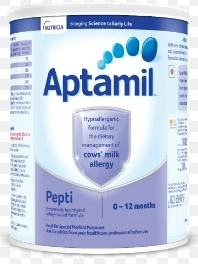
Aptamil Pepti Infant Formula 0 to 12 Months Tin 400gm
Brand: Nutricia International Private Limited
₹2000.00₹1960.00
View Details


Neocate LCP Infant Formula Powder 400GM
Brand: Nutricia International Private Limited
₹3300.00₹3234.00
View Details
Web Stories


Popular Lab Test






Live Doctor consultation
Live Doctor Chat

Fees ₹99
General Physician
Fees ₹99
General Physician
Fees ₹99
General Physician

Dr. Syed Mukhtar Mohiuddin
MBBS, MD , Fellowship in Diabetes Mellitus (UK)
- 7 Years
- English
Available at 00:00 to 07:00
Fees ₹99
General Physician
Fees ₹99
General Physician
Download Our App & Get Consultation from anywhere.