• Published on: Nov 20, 2025
  • 3 minute read
  • By: Secondmedic Expert

AI-Powered Telemedicine Solutions India: The Future Of Smart Virtual Healthcare

  • WhatsApp share link icon
  • copy & share link icon
  • twitter share link icon
  • facebook share link icon

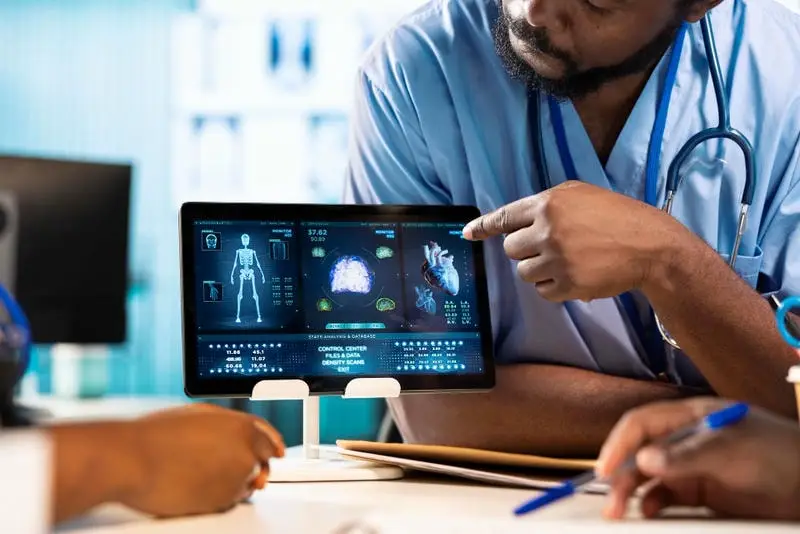
Telemedicine has transformed India's healthcare landscape by enabling people to access doctors from the comfort of their homes. But as virtual consultations grow, the next stage of evolution is driven by artificial intelligence. AI-powered telemedicine solutions India combine digital consultation platforms with intelligent tools that enhance speed, accuracy, and efficiency. SecondMedic is at the forefront of this transformation, offering AI-enabled telemedicine that improves care quality across regions.

Why AI Matters in Telemedicine

Telemedicine solves accessibility challenges, but AI takes it further by improving clinical insights. AI-powered tools analyze symptoms, interpret medical reports, and assist doctors in making faster decisions. This is especially important for a country like India, where doctor-to-patient ratios are uneven and demand continues to rise.

Key benefits include:

  • Faster triage for patients

  • Automated case summaries

  • Reduced waiting times

  • Consistent diagnostic support

  • Better remote monitoring

  • Personalized health suggestions
     

These advantages strengthen the telemedicine ecosystem.

AI Symptom Checking and Triage

Before connecting to a doctor, patients often struggle to understand whom to consult. AI-powered triage helps solve this problem by analyzing symptoms to guide them to the correct specialist.

AI evaluates:

  • Symptom patterns

  • Severity indicators

  • Medical history inputs

  • Risk markers
     

SecondMedic uses intelligent triage to improve consultation routing.

AI in Virtual Consultations

AI tools augment digital consultations by providing doctors with structured information upfront.

AI supports virtual consults through:

  • Automated patient summaries

  • Analysis of previous health records

  • Highlighting abnormal values

  • Prescription support suggestions

  • Follow-up reminders
     

This increases consult accuracy while reducing doctor workload.

AI Interpretations of Lab Results and Scans

Medical reports are complex. AI assists by identifying hidden abnormalities and trends in diagnostic values.

AI can analyze:

  • CBC fluctuations

  • Lipid patterns

  • Thyroid trends

  • Kidney and liver markers

  • Respiratory functions
     

In telemedicine, this ensures remote doctors have complete, accurate information.

Predictive Alerts for Chronic Conditions

AI identifies early warning signs of chronic diseases based on consistent health patterns.

AI predicts:

  • Blood sugar fluctuations

  • Hypertension risk

  • Cardiac irregularities

  • Kidney disease progression

  • Mental wellness indicators
     

SecondMedic offers predictive alerts for ongoing patient monitoring.

Enhanced Patient Monitoring with AI

Remote monitoring devices such as BP monitors, pulse oximeters, and glucometers generate continuous health data. AI interprets this in real time.

AI supports:

  • Alerts for abnormal readings

  • Analysis of daily patterns

  • Flags for emergency issues

  • Long-term trend insights
     

This ensures proactive care for chronic patients.

AI for Doctor Decision Support

Doctors remain at the center of telemedicine, but AI enhances their capabilities by offering additional insights.

AI supports clinicians with:

  • Pattern recognition

  • Suggested diagnoses

  • Early disease flagging

  • Treatment recommendations based on guidelines
     

This leads to more confident clinical decisions.

Benefits of AI Telemedicine for India

India’s population diversity makes AI telemedicine a powerful tool for scalable healthcare.

Major advantages:

  • Reduces burden on hospitals

  • Expands specialist access

  • Supports rural health

  • Improves patient engagement

  • Enables preventive care
     

AI makes telemedicine more responsive and reliable.

The Future of AI-Powered Telemedicine in India

In the coming years, AI will continue to integrate deeply with virtual care.

Future developments include:

  • AI voice assistants for medical questions

  • Automated remote diagnostics

  • Full integration with national health data (ABDM)

  • Personalized digital treatment pathways

  • AI-led mental health support
     

SecondMedic is building a comprehensive AI-telemedicine ecosystem to support India’s digital health vision.

Conclusion

AI-powered telemedicine solutions India bring together technology, intelligence, and accessibility to create a modern healthcare experience. By combining AI tools with virtual consultations, SecondMedic enables faster diagnosis, smart triage, and personalized care for users across the country.

To experience AI-led virtual healthcare, visit www.secondmedic.com

References

  1. NITI Aayog – Telemedicine Guidelines India

  2. WHO – Digital Health & AI Report

  3. Statista – Telemedicine Growth India

  4. IMARC – AI Healthcare Adoption India

  5. FICCI – Digital Health Insights India

Read FAQs


A. Systems that use AI to enhance online consultations, triage, diagnosis, and patient monitoring.

A. AI automates symptom checks, predicts risks, and supports doctors with clinical insights.

A. Chronic diseases, infectious conditions, lifestyle disorders, mental health, and general consultations.

A. Yes. AI assists triage, report analysis, early alerts, and doctor decision-making.

A. Yes. AI supports doctors but never replaces clinical judgment.

Read Blog
Flexible

Flexible Work Schedules with Telehealth Support: A Smarter Approach to Employee Wellbeing

The modern workplace is undergoing a significant transformation. Rigid office hours and traditional healthcare access models are giving way to flexible work schedules and digital health solutions. One of the most impactful combinations emerging in corporate wellness is flexible work schedules with telehealth support.

This integrated approach addresses two critical challenges faced by today’s workforce: work-life imbalance and delayed healthcare access.


Why Workplace Health Models Need to Change

According to NITI Aayog and EY-FICCI workforce reports, Indian employees face rising levels of:

  • work-related stress
     

  • lifestyle diseases
     

  • burnout
     

  • absenteeism
     

Long working hours, commuting stress and limited time for medical visits worsen health outcomes. Flexible work arrangements and telehealth support directly address these gaps.


What Are Flexible Work Schedules?

Flexible work schedules allow employees to:

  • adjust start and end times
     

  • work remotely or in hybrid formats
     

  • manage personal commitments alongside work
     

Flexibility empowers employees to align work with their physical and mental health needs.


Understanding Telehealth Support

Telehealth uses digital platforms to deliver healthcare services such as:

  • online doctor consultations
     

  • follow-up care
     

  • preventive health advice
     

  • mental health support
     

It eliminates geographical and time barriers to healthcare.


Why Combining Flexibility with Telehealth Works

Individually, flexibility and telehealth are beneficial. Together, they create a powerful wellness ecosystem.

This combination allows employees to:

  • consult doctors without taking leave
     

  • manage chronic conditions proactively
     

  • address early symptoms promptly
     

  • reduce healthcare delays


Health Benefits for Employees

Reduced Stress and Burnout

Flexible schedules reduce time pressure, while telehealth removes healthcare-related anxiety.


Improved Access to Preventive Care

Employees are more likely to seek early consultations when care is convenient.


Better Management of Chronic Conditions

Conditions like hypertension, diabetes and thyroid disorders require regular follow-up, which telehealth supports efficiently.


Enhanced Mental Wellbeing

Tele-mental health services enable confidential and timely support.


Improved Work-Life Balance

Employees can prioritise health without compromising job responsibilities.


Productivity Benefits for Employers

Reduced Absenteeism

Quick access to care reduces prolonged sick leave.


Improved Employee Engagement

Health-supported employees show higher motivation and loyalty.


Lower Healthcare Costs

Preventive care reduces long-term medical claims.


Strong Employer Branding

Wellness-focused policies attract and retain talent.


Evidence Supporting Flexible Work and Telehealth

According to WHO and Lancet workplace health studies:

  • flexible work reduces stress-related disorders
     

  • telehealth improves healthcare utilisation
     

  • preventive care lowers chronic disease burden
     

Indian corporate data mirrors these findings, especially in hybrid work environments.


Role in Preventive Healthcare

Preventive healthcare focuses on early risk identification and lifestyle management.

Flexible schedules with telehealth support:

  • encourage routine checkups
     

  • support ongoing health monitoring
     

  • enable early intervention
     

This aligns with India’s preventive healthcare priorities outlined by NITI Aayog.


Addressing Common Concerns

Productivity Loss Myth

Multiple studies show flexible work improves output rather than reducing it.


Quality of Telehealth

Telehealth is effective for most primary care and follow-up needs.


Data Security

Modern telehealth platforms follow strict privacy and data protection standards.


Ideal Use Cases in the Workplace

This model is particularly effective for:

  • IT and corporate offices
     

  • remote and hybrid teams
     

  • organisations with distributed workforce
     

  • high-stress work environments


Implementation Best Practices

To maximise impact:

  • set clear flexibility guidelines
     

  • integrate telehealth access into HR benefits
     

  • promote preventive consultations
     

  • track wellness metrics
     

Leadership support is key to adoption.


Long-Term Organisational Impact

Organisations adopting this model report:

  • improved employee health indicators
     

  • reduced burnout
     

  • stronger workplace culture
     

  • sustainable productivity gains
     

Wellbeing becomes a strategic advantage.


Conclusion

Flexible work schedules with telehealth support represent the future of employee wellbeing. By removing barriers to healthcare access and allowing employees control over their work routines, this approach promotes preventive care, reduces stress and enhances productivity. As workplaces evolve, integrating flexibility with digital health support is not just an employee benefit—it is a strategic investment in long-term organisational health and resilience.


References

  • World Health Organization (WHO) – Workplace Health Promotion Framework

  •  Indian Council of Medical Research (ICMR) – Lifestyle Disease and Workforce Health Studies

  • NITI Aayog – Digital Health and Workplace Wellness Reports

  • Lancet – Telehealth and Workforce Productivity Research

  • EY-FICCI – Corporate Wellness and Future of Work Reports

  • Statista – Telehealth Adoption and Workforce Trends

See all

Live Doctor consultation
Live Doctor Chat

Download Our App & Get Consultation from anywhere.

App Download
call icon for mobile number calling and whatsapp at secondmedic