• Published on: Oct 28, 2025
  • 3 minute read
  • By: Secondmedic Expert

AI Healthcare Startups In India: Transforming Care With Innovation – SecondMedic

  • WhatsApp share link icon
  • copy & share link icon
  • twitter share link icon
  • facebook share link icon

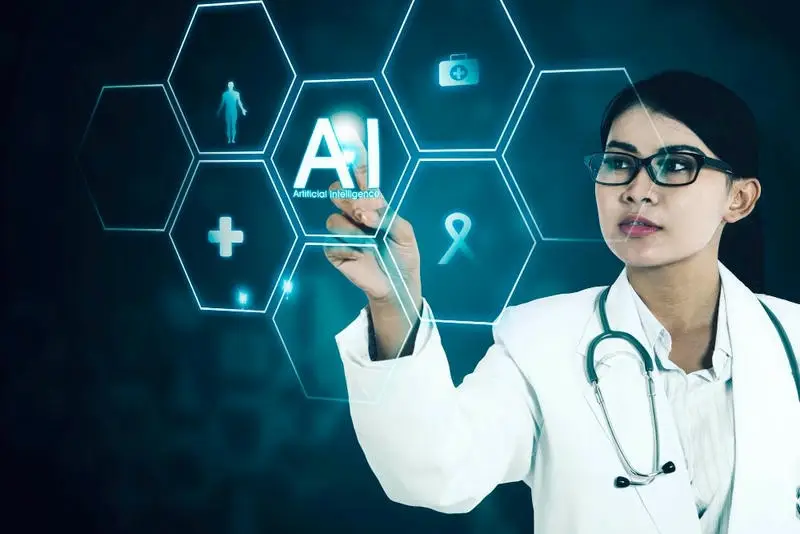
Artificial Intelligence (AI) is no longer just a buzzword in Indian healthcare - it’s transforming how care is delivered, accessed and managed. Startups across India are harnessing machine learning, computer vision, data analytics and cloud platforms to tackle missed diagnoses, limited specialist reach, high treatment cost and workflow inefficiencies.

At SecondMedic, we’re not just observing this trend - we’re integrating it into our care model, so our patients benefit from innovation, not just promises.

A New Era: Why AI Healthcare Startups Matter

India’s healthcare system is under pressure: growing population, rising non-communicable diseases, limited specialist distribution and cost constraints. AI startups address these challenges by offering scalable, technology-driven solutions.
According to a recent analysis, the Indian AI healthcare market is expected to grow rapidly, with startups playing a central role. Medium+1

Key Areas Where Startups Are Making Impact

1. Diagnostics & Imaging:
Startups like Qure.ai are using AI to interpret X-rays, CT scans and help detect tuberculosis, lung cancer and stroke risk earlier. Qure AI+2Reuters+2
2. Virtual Care & Triage:
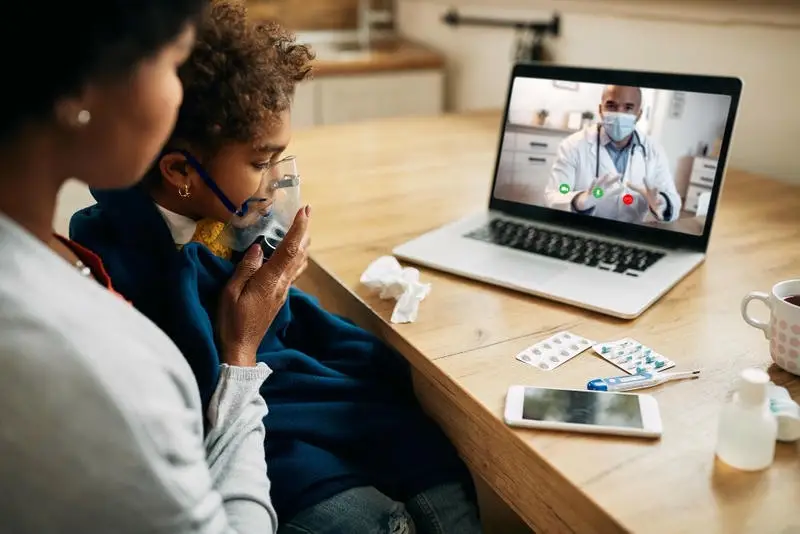
AI is powering symptom checkers, triage bots and virtual platforms - making remote healthcare more intelligent and accessible. World Economic Forum+1
3. Workflow Automation & Hospital Efficiency:
Startups are reducing administrative burden, predicting patient inflows, optimising staffing and freeing clinicians to focus on care. LinkedIn+1
4. Preventive & Chronic Care Analytics:
Using data from labs, wearables and patient history, AI models forecast disease risk, personalise health plans and support long-term care.
5. Rural & Underserved Reach:
AI tools can work even with older equipment, in remote clinics, enabling broader reach and earlier intervention. ETHealthworld.com

Why India Is a Hotbed for AI Health-Tech

  • Massive patient volumes and wide variation in disease burden offer rich data sets for AI training.

  • Digital infrastructure growth (smartphones, broadband) expands access rapidly.

  • Government initiatives like the Ayushman Bharat Digital Mission are building interoperable health-data ecosystems. The Economic Times+1

  • Cost constraints demand innovative, scalable solutions - exactly what AI startups deliver.

  • Venture-capital interest and global partnerships are increasing. Nimblechapps+1
     

Challenges & What Startup-Ecosystem Must Overcome

Despite promise, there are hurdles:

  • Data quality and interoperability – AI models need large, clean, diverse datasets; India still faces data fragmentation.

  • Regulation and validation – Clinical safety, certification, bias mitigation and ethical use remain critical.

  • Infrastructure gaps – Especially in rural areas, connectivity, device availability and digital literacy are limiting factors.

  • Adoption & trust – Clinicians, patients and regulators need to trust AI-driven tools; real-world evidence is key.

  • Integration with healthcare workflows – AI must embed into existing systems smoothly; change management is required.
     

How SecondMedic Uses Startup Innovation to Benefit You

At SecondMedic, we’re committed to integrating behind-the-scene startup innovation for your care:

  • We partner with diagnostics labs using AI image-analysis tools for faster, more accurate reports.

  • We utilise AI triage and symptom-analysis modules to streamline our telehealth platform - so you’re connected with the right specialist faster.

  • Our preventive health programs leverage data analytics and risk-scoring so you receive tailored wellness plans, not generic advice.

  • By integrating startup-driven tools, we maintain affordability, access and higher quality - without shifting cost to you.
     

Real Impact: What This Means for You

  • Faster report turnaround and early disease detection

  • Access to remote specialists, often via virtual pathways

  • More personalised care - based on data, lifestyle and risk, not just symptoms

  • Lower cost of care through efficiencies and automation

  • Greater reach - even if you’re outside major cities, you can benefit from advanced tools
     

Conclusion

AI healthcare startups in India aren’t just building tools - they’re reshaping the healthcare ecosystem. From diagnostics to virtual care to hospital workflows, innovation is happening at scale, and it’s happening now.

At SecondMedic, our mission is to bring the best of that innovation to you - merging technology, human care and preventive focus so your health is smarter, faster and more accessible than ever.

Discover how SecondMedic’s AI-ready care services work for you - visit www.secondmedic.com.

Real Data & References

  • India healthtech startup ecosystem: growth in health-tech startups at a rapid pace. Nimblechapps+1
     

  • Qure.ai growth: “we’re growing at 60-70% every year” according to Reuters. Reuters
     

  • India AI-healthcare revolution article: WEF insights. World Economic Forum
Read FAQs


A. These are companies that use artificial intelligence technologies - machine learning, computer vision, natural language processing - to address healthcare challenges: diagnostics, virtual care, workflow automation, remote monitoring, etc.

A. Because of large patient volumes, diverse disease burden, cost pressures, rising digital infrastructure and strong government support for digital health.

A. For example: Qure.ai - diagnostics AI, Niramai Health Analytix - for early cancer screening; among others. Medium+2Qure AI+2

A. They speed up diagnosis, improve access (especially rural/underserved), reduce cost, free up specialist workload, enable preventive care and digital health scaling.

A. At SecondMedic, we monitor emerging AI health-tech, partner where relevant (diagnostics, triage, monitoring) and build future-ready care pathways combining human clinicians + smart algorithms.

Read Blog
Desk Plants

Secondmedic Lunch & Learns: How Combining Skill Building and Health Education Transforms Workplace Wellness

Corporate wellness is no longer limited to annual health checkups or fitness challenges. Modern organisations recognise that sustained employee wellbeing requires continuous learning, awareness and engagement. Secondmedic Lunch & Learns are designed around this philosophy, bringing together skill development and health education in a format that is practical, engaging and easy to implement.

By using informal lunchtime sessions, organisations create a safe, relaxed environment where employees can learn, ask questions and apply knowledge immediately.


What Are Lunch & Learn Sessions?

Lunch & Learn sessions are short, focused learning programs conducted during lunch hours.

They:

  • minimise disruption to work

  • encourage voluntary participation

  • promote informal learning

Secondmedic enhances this format by integrating health education with essential workplace skills.


Why Combine Skill Development with Health Education?

Health and performance are deeply interconnected.

Employees who understand:

  • stress management

  • nutrition

  • ergonomics

  • mental wellbeing

are better equipped to:

  • focus

  • collaborate

  • perform consistently

NITI Aayog workforce reports highlight that health literacy directly influences productivity and engagement.


The Growing Need for Workplace Health Education in India

India faces a rising burden of lifestyle diseases.

According to ICMR and NFHS-5:

  • a large portion of the working population has undiagnosed risk factors

  • stress and sedentary behaviour are increasing

  • health awareness remains low despite access to information

Workplaces offer the ideal platform for preventive health education.


How Secondmedic Lunch & Learns Are Structured

Secondmedic Lunch & Learns follow a structured yet flexible format:

  • short expert-led presentations

  • interactive discussions

  • real-life case examples

  • practical takeaways

Sessions are designed to be concise, engaging and actionable.


Health Topics Commonly Covered

Health education topics include:

  • preventive health and early detection

  • stress and mental wellbeing

  • nutrition for working professionals

  • sleep health and fatigue management

  • posture and ergonomic safety

These topics address everyday challenges faced by employees.


Skill-Focused Learning Areas

Alongside health, sessions also support professional growth through:

  • communication skills

  • time and energy management

  • resilience and adaptability

  • decision-making under pressure

This dual focus enhances overall workplace capability.


Benefits for Employees

Improved Health Awareness

Employees learn how daily habits affect long-term health.

Practical Skill Application

Skills taught can be used immediately at work and home.

Higher Engagement

Interactive sessions increase participation and interest.

Reduced Stress

Knowledge empowers employees to manage stress better.


Benefits for Employers

Stronger Wellness Culture

Learning-driven wellness signals genuine organisational care.

Better Productivity

Healthy, skilled employees perform more consistently.

Reduced Absenteeism

Preventive education lowers illness-related leave.

High ROI Initiative

Lunch & Learns are cost-effective and scalable.

EY-FICCI reports show that preventive wellness programs deliver long-term savings for organisations.

Why Lunch Hours Work Best

Lunchtime sessions:

  • feel informal and relaxed

  • encourage open participation

  • avoid meeting fatigue

Employees are more receptive when learning is integrated naturally into the day.


Virtual and Hybrid Lunch & Learns

Secondmedic adapts sessions for:

  • in-office teams

  • remote employees

  • hybrid workplaces

This ensures consistent learning experiences across locations.


Role of Medical and Subject Experts

Sessions are led by:

  • doctors

  • nutritionists

  • mental health professionals

  • trained facilitators

Expert-led content ensures accuracy and trust.


Encouraging Behaviour Change Through Education

Information alone does not drive change.

Secondmedic focuses on:

  • practical examples

  • small habit shifts

  • realistic goal setting

Lancet behaviour change studies confirm that interactive education improves long-term adherence.


Measuring Impact of Lunch & Learns

Organisations often observe:

  • higher session attendance

  • improved employee feedback

  • increased health screening participation

  • better engagement scores

These metrics demonstrate sustained value.


Aligning Lunch & Learns with Preventive Healthcare

Lunch & Learns complement:

  • preventive health checkups

  • wellness campaigns

  • digital health initiatives

They reinforce messages and encourage proactive health decisions.


Customisation for Organisational Needs

Secondmedic customises sessions based on:

  • workforce demographics

  • industry-specific risks

  • organisational goals

Tailored content improves relevance and impact.


Long-Term Value of Continuous Learning

Wellness is not a one-time intervention.

Regular Lunch & Learns:

  • reinforce healthy behaviours

  • build long-term awareness

  • create a learning culture

WHO emphasises continuous education as a pillar of workplace health promotion.


Conclusion

Secondmedic Lunch & Learns represent a modern, effective approach to corporate wellness by combining skill development with health education. These sessions empower employees with knowledge that improves both personal wellbeing and professional performance. Easy to implement, cost-effective and highly engaging, Lunch & Learns help organisations build healthier, more capable and more loyal teams. When learning and wellbeing come together, workplaces thrive.


References

  • Indian Council of Medical Research (ICMR) – Workplace Health and Lifestyle Studies
  • National Family Health Survey (NFHS-5) – Adult Health and Risk Factor Data
  • World Health Organization (WHO) – Workplace Health Promotion Guidelines
  • Lancet – Health Education and Behaviour Change Research
  • NITI Aayog – Workforce Productivity and Preventive Health Reports
  • EY-FICCI – Corporate Wellness and Employee Engagement Studies

See all

Live Doctor consultation
Live Doctor Chat

Download Our App & Get Consultation from anywhere.

App Download
call icon for mobile number calling and whatsapp at secondmedic