- Published on: Apr 04, 2020
- 4 minute read
- By: Dr Rakesh Choudhary
Revolutionizing Healthcare: The Soaring Success Of Telehealth




Imagine a world where you can talk to a doctor without leaving your home. Healthcare at your fingertips! It's not science fiction; it's happening now, known by different names like Telehealth, Virtual healthcare, Online doctor consultation, Telemedicine services, Remote patient care, Digital health solutions, and Telehealth technology. In this blog, we'll explore the amazing journey of Telehealth, its big achievements, and the important trends that are changing how we get healthcare.
The Rise of Telehealth
In recent years, the healthcare industry has witnessed a paradigm shift with the rapid rise of Telehealth. This innovative approach to healthcare delivery leverages technology to connect patients with healthcare professionals virtually. The goal? To make healthcare more accessible, efficient, and convenient.
Telehealth is not just a reaction to global events; it's a strategic response to the growing need for personalized and accessible healthcare. As we embrace this revolution, it's essential to understand the underlying technologies driving this change. Seamless video consultations, remote monitoring of vital signs, digital health records for easy access, and prescription management online are among the key components that define the landscape of Telehealth technology.
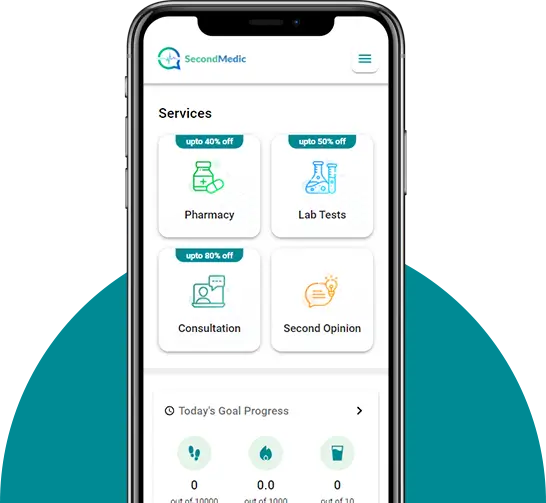
Telehealth Technology at a Glance
-
Seamless video consultations
-
Remote monitoring of vital signs
-
Digital health records for easy access
-
Prescription management online
Bridging Gaps with Online Doctor Consultation
Imagine having a doctor's appointment without leaving your home. Online doctor consultations are at the forefront of Telehealth, breaking down geographical barriers and providing instant access to medical expertise. This not only saves time but also makes healthcare services available to those in remote areas.
Online doctor consultations are great because they are easy and save time. People who are busy or live far away can see a doctor without having to travel a lot. This helps them get medical help quickly and lowers the chance of getting sick from being around other sick people. It's important for staying healthy in today's world where people care a lot about their health.
Benefits of Online Doctor Consultation
-
Convenience and time-saving
-
Increased accessibility, especially in rural areas
-
Reduced exposure to contagious illnesses
The Booming Landscape of Telemedicine Services
Telemedicine services cover various healthcare solutions provided remotely. From regular check-ups to specialized care, Telehealth is proving to be a versatile tool in the field of healthcare.
As we explore the different Telemedicine services, it's clear that this technology is not only for routine check-ups. Now, people can access mental health counseling, dermatology consultations, manage chronic diseases, and even get second opinions from specialists – all from the comfort of their homes. This expansion of services not only caters to a wider range of medical needs but also reinforces the idea that comprehensive healthcare is possible through Telehealth."
Diverse Telemedicine Services
-
Mental health counseling
-
Dermatology consultations
-
Chronic disease management
-
Second opinions from specialists
Digital Health Solutions: A Holistic Approach
Telehealth isn't just about talking to a doctor; it's about taking care of yourself in many ways. Digital health includes tools and technologies that help you stay healthy. Things like wearable devices to track your health, apps to remind you to take medicine, personalized health info, and online events about health and wellness are all part of it. These things help you be more involved in staying healthy, focusing on preventing issues and catching them early.
Components of Digital Health Solutions
-
Wearable devices for health tracking
-
Mobile apps for medication reminders
-
Personalized health analytics
-
Health and wellness webinars
Remote Patient Care: Redefining Healthcare Delivery
Telehealth is great because it lets doctors take care of patients from a distance. This is super helpful for people with long-term health issues, after surgery, or those who need their health watched closely.
Using Telehealth for remote patient care has lots of good things about it. It helps keep people from going back to the hospital too much, makes sure doctors can step in at the right time, and gives extra attention to patients. Plus, it makes patients happy and involved in their own health.
People with ongoing health problems can get personalized care plans and keep an eye on their health without always going to the doctor's office.
Advantages of Remote Patient Care
-
Reduced hospital readmissions
-
Timely intervention and proactive care
-
Enhanced patient engagement and satisfaction
Telehealth Trends: What's on the Horizon
As technology continues to evolve, so does Telehealth. Staying abreast of the latest trends is crucial for both healthcare providers and patients. Here are some emerging Telehealth trends that are shaping the future of healthcare:
The integration of artificial intelligence for diagnostics, the expansion of virtual reality in healthcare training, and the use of blockchain for secure health data management are trends that signal the continuous evolution of Telehealth. These advancements not only improve the efficiency of healthcare delivery but also contribute to the overall quality and safety of patient care.
Telehealth Trends to Watch
-
Integration of artificial intelligence for diagnostics
-
Expansion of virtual reality in healthcare training
-
Blockchain for secure health data management
Embracing the Telehealth Revolution
Now that we've explored the incredible world of Telehealth, it's time to take action. Whether you're a healthcare professional looking to integrate Telehealth into your practice or a patient seeking more convenient healthcare options, the future is now.
Sure thing! Embracing Telehealth is pretty cool. First off, check out Telehealth platforms and services. Ask your doctor about Telehealth options and get some Telehealth apps for easy use. Once you've tried it, share your good experiences with others. It helps spread the word and makes more people aware of this awesome way to get healthcare.
Steps to Embrace Telehealth
-
Research Telehealth platforms and services
-
Consult with your healthcare provider about Telehealth options
-
Download Telehealth apps for easy access
-
Share your positive Telehealth experiences with others
Conclusion
The changes happening in healthcare with Telehealth are really big. As we explore Telehealth, it's important to remember the value of knowledge. Stay informed, use technology, and support the positive impact it can have on our lives.
Read FAQs
A. Telemedicine has transformed healthcare by providing remote access to medical services. Through virtual consultations, patients can connect with healthcare professionals, making healthcare more accessible and convenient. This approach has particularly flourished in recent years, allowing for timely medical interventions, especially in emergencies or for individuals in remote locations.
A. The Internet of Things (IoT) is reshaping healthcare by connecting devices and collecting real-time data, fostering a more proactive and personalized approach. Wearable devices and sensors monitor vital signs, allowing healthcare providers to track and analyze patient health remotely. This not only facilitates preventive care but also enables early intervention, ultimately improving patient outcomes.
A. Several technological advancements are driving a revolution in healthcare. Artificial intelligence (AI) is enhancing diagnostics and treatment planning, making healthcare more precise and efficient. Virtual reality (VR) is revolutionizing medical training and therapy, providing immersive experiences. Blockchain technology ensures secure and transparent health data management. These advancements collectively contribute to a more advanced, connected, and patient-centric healthcare ecosystem.

Monthly Field Day with Patients & Staff: Building Stronger Connections for Better Health
Healthcare outcomes are shaped not only by medical treatments but also by trust, communication and community engagement. As healthcare systems in India move toward preventive and patient-centric models, initiatives that foster meaningful interaction between patients and healthcare professionals are gaining importance. One such initiative is the Monthly Field Day with Patients & Staff.
A field day creates a shared space where patients and healthcare teams interact beyond clinical settings. These interactions humanise healthcare, improve understanding and encourage long-term wellness practices.
Why Community Engagement Matters in Healthcare
Modern healthcare recognises that health is influenced by behaviour, awareness and social support. According to the World Health Organization (WHO) and NITI Aayog, community-based health engagement improves preventive care adoption and patient outcomes.
Field days help bridge the gap between healthcare providers and patients by:
-
encouraging open dialogue
-
reducing fear and hesitation
-
promoting shared responsibility for health
What Is a Monthly Field Day with Patients & Staff?
A Monthly Field Day with Patients & Staff is a structured wellness initiative organised outside the routine clinical environment. It focuses on interaction, education and preventive health activities.
Typical elements include:
-
basic health screenings
-
lifestyle education sessions
-
fitness or relaxation activities
-
informal conversations with healthcare staff
-
family and caregiver participation
The aim is to create a supportive and approachable healthcare experience.
Why Monthly Frequency Matters
Consistency is key in behaviour change and preventive health.
Monthly field days:
-
reinforce health messages regularly
-
build familiarity and trust
-
allow continuous follow-up
-
keep wellness top of mind
According to public health studies, repeated engagement significantly improves health literacy and adherence.
Benefits for Patients
1. Improved Health Awareness
Patients gain better understanding of:
-
chronic disease management
-
preventive screenings
-
nutrition and lifestyle habits
Education in informal settings improves retention.
2. Increased Comfort with Healthcare Teams
Regular interaction reduces anxiety and hesitation around seeking medical care.
Patients are more likely to:
-
ask questions
-
follow medical advice
-
attend follow-ups
3. Early Risk Identification
Field days often include basic screenings that help detect:
-
high blood pressure
-
elevated blood sugar
-
obesity risk
Early identification enables timely intervention.
4. Enhanced Emotional Wellbeing
Social interaction and community activities reduce feelings of isolation, especially among elderly or chronically ill patients.
Benefits for Healthcare Staff
1. Better Understanding of Patient Needs
Direct interaction outside clinical settings helps staff understand patient challenges more holistically.
2. Improved Communication Skills
Informal engagement strengthens empathy and communication effectiveness.
3. Reduced Burnout
Positive patient interaction and community appreciation contribute to staff morale and job satisfaction.
WHO recognises staff wellbeing as a critical factor in healthcare quality.
Role of Field Days in Preventive Healthcare
Preventive healthcare focuses on reducing disease burden before complications arise. Field days support prevention by:
-
promoting routine screenings
-
encouraging healthy lifestyle habits
-
addressing myths and misconceptions
-
reinforcing long-term care plans
NITI Aayog identifies community engagement as a cornerstone of preventive healthcare strategies.
Activities Commonly Included in Field Days
Health Screening Stations
Blood pressure, blood sugar, BMI and basic assessments.
Wellness Education
Short talks on nutrition, exercise, sleep and stress.
Interactive Sessions
Q&A discussions with doctors, nurses and health educators.
Physical Activities
Group walks, yoga sessions or light exercises.
Family Engagement
Including caregivers improves adherence and support systems.
Impact on Chronic Disease Management
For patients with chronic conditions such as diabetes or hypertension, regular engagement:
-
improves medication adherence
-
reinforces lifestyle modification
-
reduces emergency visits
Lancet studies highlight that community-based interventions improve chronic disease outcomes.
Building Trust Through Transparency
Field days foster trust by:
-
making healthcare providers approachable
-
encouraging open dialogue
-
demonstrating commitment to patient wellbeing
Trust improves treatment adherence and satisfaction.
Role of Data and Feedback
Feedback collected during field days helps healthcare organisations:
-
identify common concerns
-
refine wellness programs
-
personalise future interventions
Data-driven engagement enhances program effectiveness.
Long-Term Impact on Healthcare Outcomes
Organisations that invest in regular patient-staff engagement observe:
-
higher patient satisfaction
-
improved preventive screening rates
-
reduced disease complications
-
stronger community relationships
According to WHO, patient-centred care models improve health outcomes and system efficiency.
Why Field Days Are Especially Relevant in India
India’s diverse population faces challenges such as:
-
limited health literacy
-
delayed care-seeking
-
chronic disease burden
Community-based initiatives like field days address these challenges through education and trust-building.
Conclusion
A Monthly Field Day with Patients & Staff is more than a community event—it is a strategic preventive healthcare initiative. By fostering open communication, promoting health awareness and strengthening relationships, field days improve patient engagement and staff wellbeing alike. In a healthcare landscape increasingly focused on prevention and community trust, regular field days play a vital role in building healthier, more connected communities.
References
-
ICMR – Community Health and Preventive Care Reports
-
National Family Health Survey (NFHS-5) – Health Awareness and Engagement Dat
-
NITI Aayog – Community-Based Preventive Healthcare Strategies
-
WHO – Patient-Centred Care and Community Health Guidelines
-
Lancet – Community Engagement and Health Outcome Studies
-
Statista – Healthcare Engagement and Preventive Care Trends India
-
EY-FICCI – Healthcare Workforce and Patient Engagement Reports
Our Services
Request A Callback
Recent Posts



Aptamil Pepti Infant Formula 0 to 12 Months Tin 400gm
Brand: Nutricia International Private Limited
₹2000.00₹1960.00
View Details


Neocate LCP Infant Formula Powder 400GM
Brand: Nutricia International Private Limited
₹3300.00₹3234.00
View Details
Web Stories


Popular Lab Test






Live Doctor consultation
Live Doctor Chat

Fees ₹99
General Physician
Fees ₹99
General Physician
Fees ₹99
General Physician

Dr. Syed Mukhtar Mohiuddin
MBBS, MD , Fellowship in Diabetes Mellitus (UK)
- 7 Years
- English
Available at 00:00 to 07:00
Fees ₹99
General Physician
Fees ₹99
General Physician
Download Our App & Get Consultation from anywhere.