• Published on: Mar 13, 2025
  • 3 minute read
  • By: SecondMedic Expert

World Kidney Day 2025: Why Kidney Health Matters More Than Ever

  • WhatsApp share link icon
  • copy & share link icon
  • twitter share link icon
  • facebook share link icon

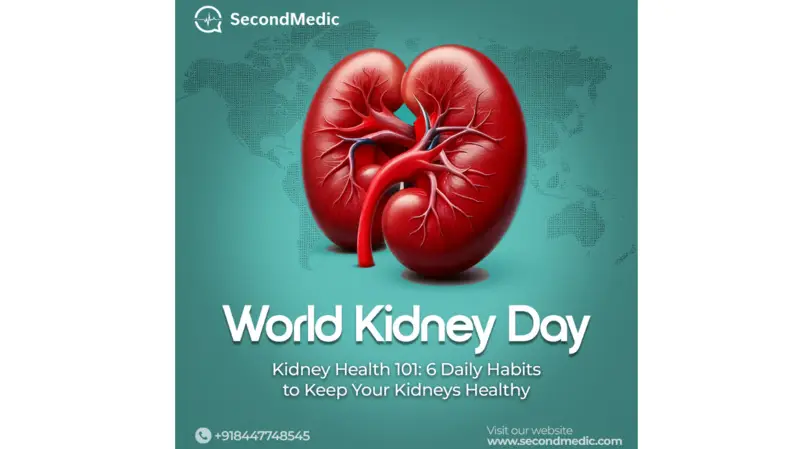
World Kidney Day 2025 is a crucial reminder of the importance of kidney health. Our kidneys perform essential functions such as filtering waste, balancing fluids, and regulating blood pressure. Yet, millions of people worldwide suffer from kidney-related issues, often without realizing it until the condition has progressed. This year, the focus is on raising awareness, promoting kidney health tips, and educating people about chronic kidney disease prevention.

The Importance of World Kidney Day 2025

World Kidney Day is observed annually to spread awareness about kidney diseases and encourage early diagnosis. In 2025, the emphasis is on preventive measures and early detection, as studies indicate that chronic kidney disease (CKD) is on the rise. Many cases of CKD remain undiagnosed until significant damage has occurred, leading to severe complications. By recognizing early signs of kidney disease and undergoing regular kidney function tests, individuals can take proactive steps toward better kidney health.

Early Signs of Kidney Disease

One of the primary goals of World Kidney Day 2025 is to educate people about the early signs of kidney disease. Detecting these symptoms early can prevent further complications. Some common warning signs include:

  • Persistent fatigue

  • Swelling in the legs, ankles, or face

  • Frequent urination, especially at night

  • Blood in urine or foamy urine

  • High blood pressure

  • Loss of appetite and nausea

Ignoring these symptoms can lead to severe kidney damage. If you experience any of these signs, consult a healthcare professional and undergo kidney function tests to assess your renal health.

Kidney Health Tips for a Stronger Renal System

Maintaining kidney health is essential for overall well-being. Here are some practical kidney health tips to keep your kidneys functioning optimally:

  1. Stay Hydrated – Drinking enough water helps flush out toxins and supports kidney function.

  2. Eat a Balanced Diet – Incorporate kidney-friendly foods such as berries, leafy greens, and whole grains.

  3. Limit Salt Intake – High sodium levels can increase blood pressure, putting stress on the kidneys.

  4. Manage Blood Sugar Levels – Uncontrolled diabetes is a leading cause of kidney disease.

  5. Exercise Regularly – Physical activity helps maintain healthy blood pressure and weight.

  6. Avoid Smoking and Excess Alcohol – These habits can contribute to kidney damage over time.

  7. Schedule Regular Check-ups – Routine kidney function tests help detect issues early.

Chronic Kidney Disease Prevention Strategies

Chronic kidney disease is a progressive condition that can lead to kidney failure if not managed properly. Fortunately, adopting healthy habits can reduce the risk of developing CKD. Here are some chronic kidney disease prevention strategies:

  • Monitor Blood Pressure – High blood pressure is a significant risk factor for kidney disease. Keeping it under control is crucial.

  • Control Diabetes – Diabetes is a leading cause of CKD. Maintaining stable blood sugar levels can prevent kidney damage.

  • Maintain a Healthy Weight – Obesity increases the risk of kidney disease, so a balanced diet and exercise are essential.

  • Avoid Overuse of Painkillers – Nonsteroidal anti-inflammatory drugs (NSAIDs) can harm kidney function if taken excessively.

  • Stay Informed – Educate yourself about kidney disease risk factors and consult your doctor for regular screenings.

Understanding Kidney Function Tests

Kidney function tests play a vital role in diagnosing kidney diseases early. These tests help determine how well your kidneys are working. Common kidney function tests include:

Regular testing is essential, especially for those at higher risk, including individuals with diabetes, hypertension, or a family history of kidney disease.

The Role of Diet in Kidney Health

A kidney-friendly diet plays a crucial role in maintaining optimal kidney function. Here are some dietary recommendations:

  • Increase Potassium Intake Carefully – While potassium is essential, excessive amounts can be harmful for those with kidney disease.

  • Reduce Protein Consumption – High-protein diets can strain the kidneys, so moderation is key.

  • Avoid Processed Foods – These often contain excessive sodium and preservatives that harm kidney function.

  • Choose Healthy Fats – Opt for sources like olive oil and avocados instead of saturated fats.

Conclusion

World Kidney Day 2025 is an opportunity to prioritize kidney health and spread awareness about chronic kidney disease prevention. By recognizing the early signs of kidney disease, adopting kidney health tips, and undergoing regular kidney function tests, we can take proactive steps toward better health. This year, let’s commit to making kidney health a priority and encourage others to do the same.

Read FAQs


A. World Kidney Day raises awareness about kidney health, encourages early diagnosis, and promotes preventive measures for kidney disease.

A. Common symptoms include fatigue, swelling, frequent urination, blood in urine, and high blood pressure.

A. Stay hydrated, eat a balanced diet, exercise, limit salt intake, and undergo regular kidney function tests.

A. Managing blood pressure, controlling diabetes, avoiding excessive NSAIDs, and maintaining a healthy weight can help prevent CKD.

A. Kidney function tests like Serum Creatinine Test, Glomerular Filtration Rate (GFR), and Urine Analysis can help diagnose kidney conditions early.

Read Blog
healthcare

Why Preventive Healthcare Is More Important Than Treatment: A Smarter Approach to Health

Healthcare systems worldwide are shifting focus from reactive treatment to proactive prevention. While medical treatments have advanced significantly, preventing disease before it develops remains the most effective strategy for long-term health.

Understanding why preventive healthcare is more important than treatment empowers individuals to take control of their wellbeing and reduce future health risks.


What Is Preventive Healthcare?

Preventive healthcare involves measures taken to avoid disease rather than treating it after symptoms appear.

It includes:

  • Routine health checkups
     

  • Vaccinations
     

  • Blood pressure monitoring
     

  • Diabetes screening
     

  • Cancer screening
     

  • Healthy lifestyle habits
     

The goal is early detection and risk reduction.


1. Early Detection Saves Lives

Many serious conditions develop silently, including:

  • Diabetes
     

  • Hypertension
     

  • Heart disease
     

  • Cancer
     

Regular screening identifies these conditions at an early stage when treatment is more effective and less invasive.


2. Reduces Healthcare Costs

Treating advanced diseases often involves:

  • Hospitalization
     

  • Surgery
     

  • Long-term medication
     

  • Intensive care
     

Preventive care reduces these costs by identifying risks early and managing them promptly.


3. Improves Quality of Life

Prevention focuses on maintaining optimal health.

Healthy individuals experience:

  • Higher energy levels
     

  • Better productivity
     

  • Improved mental wellbeing
     

  • Reduced stress
     

Staying healthy enhances overall life satisfaction.


4. Prevents Chronic Diseases

Lifestyle diseases such as obesity, diabetes and cardiovascular disorders are largely preventable.

Preventive measures include:

  • Balanced nutrition
     

  • Regular exercise
     

  • Smoking cessation
     

  • Stress management
     

These habits significantly lower disease risk.


5. Reduces Complications

Early management prevents complications such as:

  • Kidney damage from diabetes
     

  • Stroke from uncontrolled hypertension
     

  • Heart attacks due to high cholesterol
     

Preventive healthcare minimizes disease progression.


6. Encourages Health Awareness

Routine checkups increase awareness about:

  • Body weight
     

  • Blood sugar levels
     

  • Cholesterol
     

  • Nutritional deficiencies
     

Awareness motivates positive lifestyle changes.


Preventive Healthcare in the Indian Context

India faces rising rates of lifestyle diseases.

Urbanization, sedentary jobs and dietary changes have increased non-communicable diseases.

Preventive healthcare initiatives such as annual health screenings and awareness programs are critical to reducing the national disease burden.


Key Components of Preventive Care

Regular Health Screenings

  • Blood pressure checks
     

  • Blood sugar tests
     

  • Lipid profile
     

  • Thyroid tests


Vaccinations

  • Influenza
     

  • Hepatitis
     

  • COVID-19
     

  • Tetanus
     

Vaccines prevent infectious diseases.


Lifestyle Modification

  • Healthy diet
     

  • Daily exercise
     

  • Adequate sleep
     

  • Stress reduction
     

These form the foundation of prevention.


Treatment vs Prevention: A Comparison

Prevention

Treatment

Focuses on avoiding disease

Focuses on managing disease

Lower cost

Higher cost

Less invasive

Often invasive

Long-term benefits

May involve side effects

Prevention reduces risk before complications arise.


When Should Preventive Care Begin?

Preventive healthcare is important at every stage of life.

Adults above 30 years should undergo annual health checkups, especially if they have:

  • Family history of chronic disease
     

  • Sedentary lifestyle
     

  • Obesity
     

  • Smoking habits
     

Early intervention makes a measurable difference.


Overcoming Barriers to Prevention

Common challenges include:

  • Lack of time
     

  • Fear of diagnosis
     

  • Financial concerns
     

Solutions involve:

  • Corporate health programs
     

  • Insurance coverage for screenings
     

  • Digital health platforms
     

Encouraging routine checkups improves participation.


The Long-Term Impact of Prevention

Consistent preventive care leads to:

  • Increased life expectancy
     

  • Reduced healthcare burden
     

  • Improved economic productivity
     

  • Healthier communities
     

Healthy populations contribute to national growth.


Conclusion

Preventive healthcare is more important than treatment because it addresses health risks before they escalate into serious conditions. Early detection, regular screenings and healthy lifestyle habits reduce disease burden, save costs and improve quality of life.

While treatment remains essential when illness occurs, prevention offers a smarter and more sustainable approach to long-term wellbeing.

Taking proactive steps today can protect your health for years to come. Prevention is not just a medical strategy — it is a commitment to a healthier future.


References

  • Indian Council of Medical Research – Preventive Health Reports

  • World Health Organization – Preventive Healthcare Guidelines

  • National Family Health Survey – Lifestyle Disease Data

  • NITI Aayog – Health Strategy Reports

  • Lancet Global Health – Preventive Medicine Research

See all

Live Doctor consultation
Live Doctor Chat

Download Our App & Get Consultation from anywhere.

App Download
call icon for mobile number calling and whatsapp at secondmedic