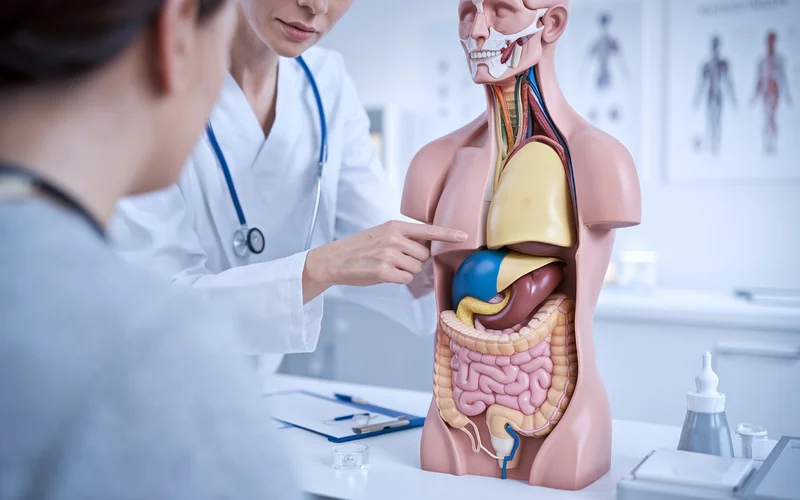
Most people rarely think about the pancreas until something goes wrong.
Unlike the heart or lungs, the pancreas is not an organ people commonly discuss in daily life. Yet it quietly performs some of the most critical functions in the human body, helping regulate blood sugar, support digestion, and maintain energy balance every single day.
The pancreas works almost like a dual-function control system. One part helps digest the food you eat by releasing digestive enzymes into the intestine. Another part produces hormones such as insulin and glucagon, which help regulate blood sugar levels. Without proper pancreatic function, even basic processes like eating, nutrient absorption, and glucose control become disrupted.
This is why pancreatic disorders can affect the body in surprisingly widespread ways, ranging from abdominal pain and digestion problems to diabetes, weight loss, nutritional deficiency, and severe metabolic complications.
In India, pancreatic health problems are becoming increasingly common due to changing lifestyle patterns. Gastroenterologists and internal medicine specialists frequently observe pancreatic stress associated with:
- rising diabetes rates
- obesity
- alcohol overuse
- fatty liver disease
- smoking
- poor dietary patterns
- sedentary lifestyles
At the same time, one of the biggest challenges with pancreatic disease is that symptoms are often ignored initially because they appear vague or digestive in nature.
Patients commonly dismiss:
- upper abdominal discomfort
- bloating
- unexplained weight loss
- greasy stools
- appetite loss
- fatigue
- nausea
until the condition becomes more advanced.
“The pancreas is one of the most underappreciated organs in the body,” says Gastroenterologist at SecondMedic. “People usually focus on it only after diabetes or pancreatitis develops, but pancreatic health is closely connected to digestion, metabolism, and overall systemic function.”
What Is the Pancreas and Where Is It Located?
The pancreas is a soft gland-like organ located deep inside the upper abdomen, behind the stomach and close to the small intestine, liver, and spleen.
It is divided into different sections:
- head
- neck
- body
- tail
Even though it is relatively small, the pancreas plays an enormous physiological role because it belongs to both:
- the digestive system
- the endocrine (hormonal) system
This dual role is what makes pancreatic disorders so complex.
Main Functions of the Pancreas
The pancreas performs two major functions:
- digestive (exocrine) function
- hormonal (endocrine) function
Understanding both helps explain why pancreatic disease affects multiple parts of the body simultaneously.
1. Digestive Function of the Pancreas
The exocrine portion of the pancreas produces digestive enzymes that help break down food inside the small intestine.
These enzymes include:
- amylase for carbohydrates
- lipase for fats
- trypsin and chymotrypsin for proteins
When food enters the stomach and intestine, the pancreas releases these enzymes through ducts into the duodenum, where digestion continues.
Without adequate pancreatic enzymes, the body struggles to absorb nutrients properly.
This may lead to:
- bloating
- diarrhoea
- greasy stools
- vitamin deficiencies
- unexplained weight loss
- malnutrition
A 42-year-old businessman from Hyderabad consulted SecondMedic after months of persistent bloating, oily stools, and weight loss despite normal eating habits. Further evaluation revealed pancreatic enzyme insufficiency associated with chronic alcohol-related pancreatic damage.
This highlights how pancreatic problems are not always immediately obvious in the early stages.
2. Hormonal Function: Blood Sugar Regulation
The endocrine portion of the pancreas produces hormones that regulate blood glucose levels.
The most important pancreatic hormones include:
- insulin
- glucagon
Insulin
Insulin helps lower blood sugar by allowing glucose to enter the body’s cells for energy.
Glucagon
Glucagon raises blood sugar when glucose levels become too low.
The pancreas constantly balances these hormones to maintain stable glucose control throughout the day.
When this balance becomes disrupted, diabetes may develop.
This is why the pancreas plays such a central role in:
- type 1 diabetes
- type 2 diabetes
- metabolic syndrome
- insulin resistance
Why Pancreatic Disorders Are Often Missed Initially
Pancreatic symptoms are frequently vague in the beginning.
Unlike sudden chest pain or visible skin disease, pancreatic problems may slowly develop over time and resemble common digestive complaints.
Early symptoms may include:
- upper abdominal discomfort
- nausea
- indigestion
- poor appetite
- fatigue
- unexplained weight loss
- bloating after meals
Because these symptoms overlap with acidity or gastritis, many patients continue self-medicating for months before proper evaluation occurs.
Common Pancreatic Disorders
Several conditions can affect the pancreas.
Pancreatitis
Pancreatitis refers to inflammation of the pancreas. It may occur suddenly (acute pancreatitis) or develop gradually over time (chronic pancreatitis).
Common causes include:
- alcohol overuse
- gallstones
- high triglycerides
- smoking
- certain medications
Symptoms may include:
- severe upper abdominal pain
- vomiting
- fever
- back pain
- nausea
Chronic pancreatitis may eventually affect digestion and insulin production.
Diabetes and Pancreatic Dysfunction
The pancreas is directly responsible for insulin production.
When insulin production becomes impaired or the body stops responding properly to insulin, blood sugar levels rise.
This can contribute to:
- type 1 diabetes
- type 2 diabetes
- diabetes-related complications
India continues to experience rapidly increasing diabetes prevalence, making pancreatic health more relevant than ever.
Pancreatic Cancer
Pancreatic cancer is one of the most serious pancreatic conditions because symptoms often appear late.
Warning signs may include:
- unexplained weight loss
- jaundice
- appetite loss
- persistent abdominal pain
- back pain
- new-onset diabetes in older adults
Smoking, obesity, chronic pancreatitis, and family history may increase risk.
Signs That May Suggest Pancreatic Problems
Medical evaluation becomes important if symptoms include:
- persistent upper abdominal pain
- unexplained weight loss
- greasy or oily stools
- recurrent vomiting
- jaundice
- chronic diarrhoea
- appetite loss
- sudden diabetes onset
- pain radiating to the back
These symptoms should not be repeatedly ignored or self-treated with antacids alone.
Can You Live Without a Pancreas?
In certain medical situations, partial or complete pancreatic removal may become necessary.
However, because the pancreas controls both digestion and blood sugar regulation, patients usually require:
- enzyme replacement
- insulin management
- specialised dietary care
This demonstrates how essential pancreatic function truly is for everyday survival.
Lifestyle Habits That Support Pancreatic Health
While not all pancreatic diseases are preventable, certain habits significantly reduce long-term risk:
- avoiding smoking
- limiting alcohol intake
- maintaining healthy weight
- exercising regularly
- managing diabetes properly
- reducing processed food intake
- treating high triglycerides
- avoiding chronic overeating
These habits help lower the burden on both digestive and metabolic pancreatic function.
Common Myths vs Facts About the Pancreas
| Myth | Fact |
|---|---|
| The pancreas only affects diabetes. | It plays major roles in both digestion and blood sugar regulation. |
| Pancreatic disorders always cause severe pain. | Early symptoms may be vague and easily overlooked. |
| Only alcoholics develop pancreatitis. | Gallstones, triglycerides, and other conditions may also trigger it. |
| Acidity and pancreatic pain are always different. | Pancreatic symptoms may initially resemble common digestive issues. |
| Healthy eating alone prevents all pancreatic disease. | Genetics, metabolic disease, smoking, and alcohol also influence risk. |
When Should You Consult a Doctor?
Consult a healthcare professional if you experience:
- persistent digestive symptoms
- unexplained weight loss
- recurrent vomiting
- upper abdominal pain
- jaundice
- chronic diarrhoea
- appetite loss
- uncontrolled blood sugar changes
Early diagnosis improves management outcomes significantly, especially in chronic pancreatic conditions.
Conclusion
SecondMedic helps patients consult verified gastroenterologists, endocrinologists, and digestive health specialists online for pancreatic disorders, diabetes concerns, digestive symptoms, abdominal pain, unexplained weight loss, pancreatitis evaluation, and metabolic health management. Patients can receive personalised medical guidance, dietary recommendations, and diagnostic support from home.