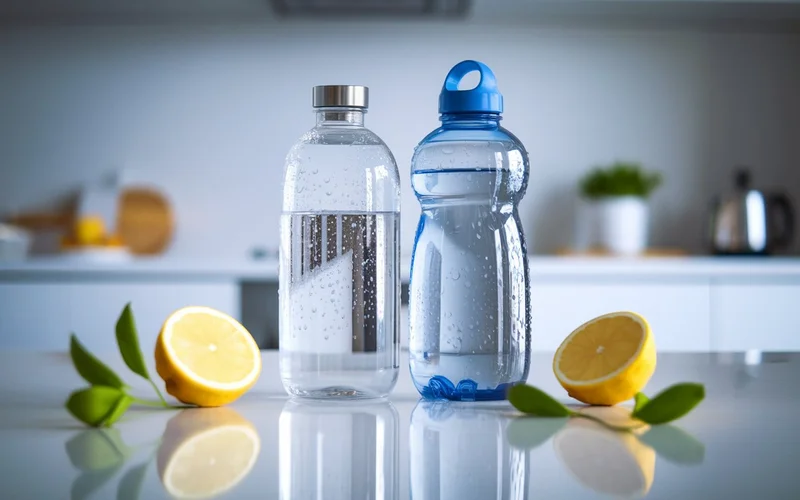
Choosing a water bottle seems like a small everyday decision, but growing awareness around chemicals, microplastics, hygiene, and sustainability has made many people rethink what they drink water from daily.
For years, plastic bottles dominated homes, offices, schools, gyms, and travel routines because they were lightweight, cheap, and convenient. But increasing concerns about chemical leaching and environmental waste have pushed many people toward alternatives like glass, copper, and stainless steel bottles.
This has created a common question:
Is glass actually healthier than plastic for drinking water?
The answer is more nuanced than social media wellness advice suggests.
Glass bottles are generally considered chemically safer and more stable because they do not easily react with heat or release microplastics into water. Plastic bottles, on the other hand, vary significantly depending on quality, usage pattern, and exposure to sunlight or heat. At the same time, glass is heavier, more fragile, and less practical in some situations.
The better choice often depends on how the bottle is being used, how frequently it is reused, and whether hygiene and storage practices are being maintained properly.
In India, reusable bottle usage has increased rapidly as more people focus on hydration, fitness, and reducing disposable plastic waste. However, doctors and public health experts also notice widespread misuse of reusable plastic bottles.
Common habits include:
- reusing disposable PET bottles for months
- storing bottles in hot cars
- drinking from poorly cleaned gym bottles
- exposing plastic containers to sunlight repeatedly
- pouring very hot water into low-grade plastic bottles
These practices may increase bacterial contamination or accelerate chemical breakdown over time.
“The biggest issue is often not the bottle material alone, but how people use and maintain it,” says Preventive Health Specialist at SecondMedic. “Even a high-quality bottle can become unhygienic if it is not cleaned properly or repeatedly exposed to heat and moisture.”
Why Are People Concerned About Plastic Bottles?
Plastic bottles became controversial mainly because of concerns related to:
- chemical leaching
- microplastics
- hormone-disrupting compounds
- environmental pollution
Some plastics may release chemicals into water under certain conditions, especially when exposed to:
- high temperatures
- prolonged sunlight
- repeated wear and tear
- acidic liquids
Older concerns largely focused on BPA (Bisphenol A), a chemical once commonly used in some plastic containers. While many modern bottles are now labelled “BPA-free,” concerns around plastic degradation and microplastic exposure still continue globally.
Researchers are increasingly studying how tiny plastic particles may enter food and water systems over time.
Why Glass Bottles Are Often Considered Safer
Glass is chemically more stable than most plastics.
Unlike plastic, glass:
- does not easily leach chemicals
- does not absorb odours
- tolerates temperature changes better
- is easier to clean thoroughly
- does not stain easily
This is one reason many hospitals, laboratories, and pharmaceutical settings still prefer glass for sensitive storage purposes.
People also often notice that water stored in glass tastes cleaner or fresher because glass does not retain flavours from previous beverages.
A 35-year-old corporate employee from Bengaluru switched from repeatedly reused plastic gym bottles to glass and stainless steel options after experiencing persistent odour buildup and difficulty cleaning older plastic containers properly. While the change itself was not a “medical treatment,” it improved hygiene and reduced repeated bottle replacement.
Are Plastic Bottles Always Harmful?
Not necessarily.
High-quality food-grade plastic bottles used correctly are generally considered safe for routine use. The problem usually arises from:
- low-quality plastics
- excessive reuse
- poor cleaning
- heat exposure
- physical damage
For example:
- disposable single-use bottles are not designed for long-term repeated reuse
- scratched plastic surfaces may trap bacteria more easily
- old bottles exposed to sunlight repeatedly may degrade faster
This is why doctors and health experts usually focus more on safe usage habits rather than promoting fear around all plastics universally.
What About Microplastics?
Microplastics are tiny plastic particles that may form as plastics gradually break down.
Recent studies have detected microplastics in:
- bottled water
- oceans
- food chains
- air samples
However, research is still ongoing regarding the long-term health impact of everyday microplastic exposure in humans.
While the science continues evolving, reducing unnecessary plastic degradation is generally considered a reasonable preventive approach.
Which Bottle Is Better for Hot Water?
Glass handles heat more safely than many low-grade plastics.
Hot liquids inside poor-quality plastic containers may increase:
- chemical leaching risk
- bottle deformation
- plastic smell or taste
This is why many people avoid pouring boiling water into standard plastic bottles unless they are specifically designed for heat resistance.
For hot water storage, people commonly prefer:
- glass
- stainless steel
- insulated steel flasks
Hygiene Matters More Than Most People Think
One of the biggest overlooked problems is bacterial contamination.
Reusable bottles, especially narrow-mouth bottles, may develop bacterial growth when:
- not washed daily
- left moist for long periods
- used repeatedly without drying
- shared between individuals
This applies to:
- plastic bottles
- glass bottles
- steel bottles alike
Many people assume reusable bottles are automatically hygienic simply because they contain water. In reality, poorly maintained bottles can accumulate significant microbial contamination.
Doctors usually recommend:
- daily washing
- proper drying
- avoiding long-term moisture retention
- replacing visibly damaged bottles
Glass vs Plastic: Which Is More Practical?
The answer depends on lifestyle.
Glass bottles may be better for:
- home use
- office desks
- chemically stable storage
- people avoiding plastic exposure
Plastic bottles may still be practical for:
- travel
- children
- sports activities
- outdoor movement
- lightweight portability
This is why many people now prefer a mixed approach depending on the situation.
Common Mistakes People Make With Water Bottles
Doctors and hygiene experts frequently notice:
- reusing disposable bottles excessively
- storing bottles in hot vehicles
- not cleaning bottle caps properly
- using damaged containers
- ignoring mould buildup near lids
- keeping water stagnant for very long periods
Often, hygiene neglect becomes a bigger issue than the material itself.
Myths vs Facts About Water Bottles
| Myth | Fact |
|---|---|
| All plastic bottles are toxic. | High-quality food-grade bottles are generally considered safe when used properly. |
| Glass bottles never need cleaning. | Any reusable bottle can accumulate bacteria if poorly maintained. |
| BPA-free means completely risk-free. | Bottle quality, heat exposure, and usage habits still matter. |
| Reusing disposable bottles is harmless forever. | Single-use bottles are not designed for prolonged repeated reuse. |
| Bottle material alone determines water safety. | Cleaning habits and storage conditions also play major roles. |
When Should You Replace a Bottle?
A reusable bottle should ideally be replaced if:
- cracks develop
- strong odours persist
- mould appears
- plastic becomes cloudy
- surfaces become heavily scratched
- caps stop sealing properly
Damaged bottles may become harder to clean effectively.
SecondMedic’s Approach
SecondMedic helps patients consult verified doctors and preventive health specialists online for hydration guidance, digestive health concerns, environmental health awareness, nutritional counselling, and lifestyle-related wellness support. Patients can receive evidence-based health advice for safer daily habits and long-term preventive care.
Sources
- World Health Organization (WHO), Drinking Water Safety Guidance
- Harvard T.H. Chan School of Public Health, Plastic Exposure and Health
- Cleveland Clinic, BPA and Plastic Safety Overview
- National Geographic, Microplastics and Human Exposure Research