Several vitamins play an essential role in maintaining healthy hair growth, scalp health, and hair strength. Clinical evidence suggests that deficiencies in specific vitamins can contribute to hair fall, thinning, premature graying, and weak hair texture. Among the most important nutrients for hair health are biotin, vitamin D, vitamin B12, vitamin E, and vitamin C.
Hair follicles are highly active structures that require continuous nutritional support. When the body lacks essential vitamins, hair growth cycles may become disrupted, leading to excessive shedding or slow regrowth.
Vitamin D and Hair Growth
Vitamin D is one of the most important vitamins associated with hair follicle function. Low vitamin D levels have been linked to hair thinning and certain forms of hair loss such as alopecia.
Vitamin D helps regulate hair follicle cycling and supports the growth phase of hair. Deficiency is increasingly common in India due to indoor lifestyles and limited sunlight exposure.
Symptoms of vitamin D deficiency may include:
- Excessive hair fall
- Fatigue
- Bone and muscle weakness
Doctors may recommend vitamin D supplements if blood tests confirm deficiency.
Biotin for Hair Strength
Biotin, also known as vitamin B7, is widely associated with healthy hair, skin, and nails. It supports keratin production, which is the primary protein structure of hair.
Biotin deficiency is relatively uncommon but may contribute to brittle hair, hair thinning, and weak nails.
Natural dietary sources include:
- Eggs
- Nuts and seeds
- Whole grains
- Bananas
Although biotin supplements are popular for hair growth, clinical benefit is most significant in individuals who are actually deficient.
Vitamin B12 and Hair Health
Vitamin B12 supports red blood cell production and oxygen delivery to hair follicles. Deficiency may reduce nutrient supply to the scalp and contribute to hair fall.
Low vitamin B12 levels are more common in individuals with vegetarian diets, digestive disorders, or poor nutrient absorption.
Symptoms of deficiency may include:
- Hair thinning
- Fatigue
- Weakness
- Pale skin
Correcting deficiency through diet or supplementation may improve overall hair health.
Vitamin E for Hair and Scalp
Vitamin E is an antioxidant that helps protect hair follicles from oxidative stress. It also supports scalp circulation and may improve hair texture.
Oxidative damage caused by pollution, stress, and poor diet can weaken hair follicles over time. Vitamin E helps reduce this damage and maintain scalp health.
Foods rich in vitamin E include almonds, sunflower seeds, spinach, and vegetable oils.
Topical vitamin E oils are also commonly used in hair care routines, although excessive application may irritate sensitive scalps.
Vitamin C and Collagen Production
Vitamin C plays a crucial role in collagen synthesis, which supports hair structure and strength. It also improves iron absorption, which is important because iron deficiency is a common cause of hair loss.
As a powerful antioxidant, vitamin C protects hair follicles from free radical damage.
Common dietary sources include:
- Citrus fruits
- Amla
- Guava
- Tomatoes
In Indian diets, amla is considered one of the richest natural sources of vitamin C for hair health.
Iron and Zinc Also Matter for Hair Growth
Although not vitamins, iron and zinc are essential nutrients for healthy hair.
Iron deficiency anemia is one of the most common causes of diffuse hair fall, especially in women. Zinc supports tissue repair and hair follicle function.
Poor nutrition, crash dieting, and chronic illness can lead to deficiencies affecting hair growth.
Balanced nutrition is therefore more important than relying on a single supplement.
Can Vitamins Stop Hair Fall Completely
Vitamins can improve hair growth and reduce hair fall when deficiencies are the underlying cause. However, not all hair loss is related to nutrition.
Genetics, hormonal imbalance, stress, thyroid disorders, and medical conditions may also contribute to hair thinning. In such cases, vitamin supplementation alone may not fully resolve the issue.
A medical evaluation may be required if hair fall is severe, persistent, or associated with scalp problems.
Best Foods for Healthy Hair
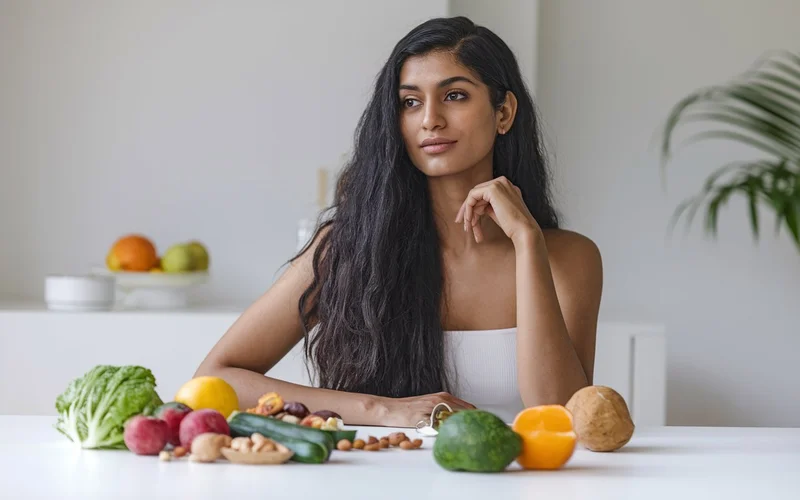
A nutrient rich diet supports long term hair health better than isolated supplementation alone.
Foods beneficial for hair include:
- Eggs and dairy products
- Nuts and seeds
- Leafy green vegetables
- Fruits rich in antioxidants
- Lentils and legumes
Adequate hydration, sleep, and stress management also contribute significantly to healthy hair growth.
When Should You Consult a Doctor for Hair Loss
Medical consultation is recommended if hair fall becomes excessive or sudden.
You should seek medical advice if:
- Hair loss is persistent for several months
- Bald patches develop
- Hair fall is associated with fatigue or weight changes
- Scalp itching or redness occurs
Dermatologists may recommend blood tests to identify nutritional deficiencies, thyroid disorders, or hormonal imbalances.