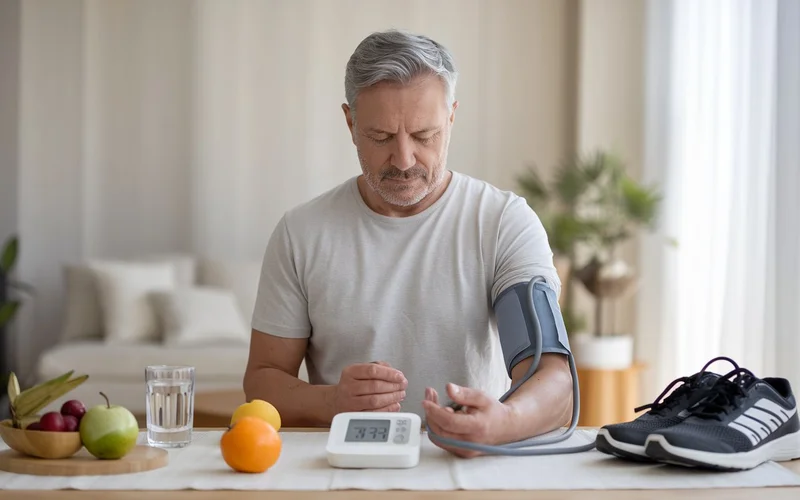
High blood pressure, also known as hypertension, can often be controlled without medicine in its early or mild stages through lifestyle changes and risk factor management. Clinical evidence shows that dietary improvements, regular exercise, stress reduction, and weight management can significantly lower blood pressure levels in many individuals.
However, whether medication can be avoided depends on the severity of hypertension, age, underlying diseases, and overall cardiovascular risk. Some individuals may successfully maintain healthy blood pressure naturally, while others may still require medication despite lifestyle changes.
What Is High Blood Pressure
Hypertension occurs when the force of blood against artery walls remains consistently elevated. Over time, uncontrolled blood pressure increases the risk of heart disease, stroke, kidney damage, and other complications.
Blood pressure is measured using two numbers:
- Systolic pressure, which measures pressure during heartbeats
- Diastolic pressure, which measures pressure between heartbeats
A reading consistently above 140/90 mmHg is generally considered high in adults, although targets may vary depending on medical guidelines and patient conditions.
Can Lifestyle Changes Lower Blood Pressure
Lifestyle modification is considered the first line approach for controlling mild hypertension.
Research shows that healthy habits can lower blood pressure naturally by improving blood vessel function, reducing stress on the heart, and supporting healthy circulation.
In some individuals with borderline or stage 1 hypertension, lifestyle changes alone may reduce blood pressure enough to avoid medication temporarily.
However, consistency is essential because blood pressure often rises again if healthy habits are discontinued.
Weight Loss and Blood Pressure Control
Excess body weight significantly increases the risk of hypertension. Losing even a small amount of weight can improve blood pressure levels.
Fat accumulation increases strain on the heart and affects hormone systems involved in blood pressure regulation. Weight reduction improves circulation and decreases vascular resistance.
Clinical studies indicate that losing approximately 5 to 10 percent of body weight can produce meaningful improvement in blood pressure.
Maintaining healthy waist circumference is especially important in reducing cardiovascular risk.
How Diet Helps Control High BP Naturally
Diet plays a major role in blood pressure regulation. Reducing sodium intake and improving nutritional balance can significantly lower hypertension risk.
The DASH diet, which focuses on fruits, vegetables, whole grains, and low fat dairy products, is widely recommended for blood pressure control.
Foods beneficial for hypertension include:
- Leafy green vegetables
- Bananas and potassium rich foods
- Whole grains
- Nuts and seeds
- Low fat dairy products
At the same time, processed foods, excessive salt, fried foods, and sugary beverages should be limited.
In India, reducing packaged snacks and high salt pickles can help decrease sodium intake considerably.
Role of Exercise in Managing Hypertension
Regular physical activity strengthens the heart and improves blood vessel flexibility, helping lower blood pressure naturally.
Moderate aerobic exercise such as brisk walking, cycling, swimming, or yoga is highly beneficial. Experts generally recommend at least 150 minutes of moderate activity per week.
Exercise also supports weight management, improves insulin sensitivity, and reduces stress, all of which contribute to healthier blood pressure levels.
Even simple daily activities such as walking after meals or using stairs can make a positive difference.
Can Stress Cause High Blood Pressure
Stress contributes to temporary increases in blood pressure and may worsen long term hypertension if persistent.
Chronic stress activates hormonal pathways that increase heart rate and constrict blood vessels. Poor stress coping mechanisms such as overeating, smoking, or alcohol consumption further increase cardiovascular risk.
Stress management techniques that may help include:
- Meditation
- Deep breathing exercises
- Yoga
- Adequate sleep
- Time management and relaxation practices
Mental health and emotional well being are important components of blood pressure control.
Reducing Salt Intake for Blood Pressure Control
High sodium intake is strongly associated with elevated blood pressure.
Salt causes the body to retain water, increasing pressure within blood vessels. Reducing sodium intake can significantly lower blood pressure, especially in salt sensitive individuals.
Doctors often recommend limiting sodium intake to less than 5 grams of salt per day.
Reading food labels and avoiding processed foods are practical ways to reduce sodium consumption.
When Medicine Is Still Necessary
Lifestyle changes may not be enough for everyone. Medication becomes necessary when blood pressure remains persistently high or when there is increased risk of complications.
Doctors may recommend medication if:
- Blood pressure is severely elevated
- There is heart disease, diabetes, or kidney disease
- Lifestyle measures fail to control readings
- Organ damage risk is high
Stopping medication without medical supervision is unsafe and may increase the risk of stroke or heart attack.
Lifestyle changes should continue even when medication is prescribed.
How Long Does It Take to Lower BP Naturally
The timeline varies depending on the severity of hypertension and consistency of lifestyle modification.
Some individuals notice improvement within a few weeks of dietary changes and exercise. Significant long term improvement may take several months.
Regular blood pressure monitoring is important to track progress and assess whether medical treatment is required.
When Should You Consult a Doctor
Medical consultation is essential if blood pressure readings remain consistently high or symptoms develop.
You should seek medical advice if you experience:
- Frequent headaches
- Dizziness
- Chest pain
- Shortness of breath
- Blurred vision
A doctor can determine whether lifestyle management alone is appropriate or if medication is necessary.