Polycystic ovary syndrome, commonly known as PCOS, cannot currently be permanently cured, but it can be effectively managed and controlled with long term lifestyle changes and medical treatment. Clinical evidence suggests that many women achieve significant symptom improvement and hormonal balance through weight management, dietary changes, exercise, and appropriate therapy.
PCOS is a chronic hormonal and metabolic disorder that affects ovarian function, insulin regulation, and reproductive hormones. Since the condition involves multiple body systems, treatment focuses on controlling symptoms and reducing long term complications rather than providing a one time permanent cure.
What Is PCOS and Why Does It Happen
Polycystic Ovary Syndrome is a common endocrine disorder affecting women of reproductive age. It is characterized by hormonal imbalance, irregular ovulation, and elevated androgen levels.
The exact cause of PCOS is not fully understood, but several factors contribute:
- Genetic predisposition
- Insulin resistance
- Hormonal imbalance
- Chronic low grade inflammation
Insulin resistance is considered one of the major mechanisms behind PCOS. Excess insulin can stimulate androgen production, which disrupts ovulation and menstrual cycles.
In India, sedentary lifestyle, obesity, stress, and dietary habits are increasingly contributing to rising PCOS prevalence among young women.
Why PCOS Cannot Be Permanently Eliminated
PCOS is considered a chronic condition because it is linked to genetic and metabolic factors that cannot be completely removed. Even when symptoms improve, the underlying hormonal tendency may still exist.
For example, many women experience regular menstrual cycles and symptom control after lifestyle modification, but symptoms can return if healthy habits are discontinued.
This is why doctors focus on long term management rather than claiming a permanent cure.
However, symptom remission is possible, especially in women who maintain healthy weight, balanced hormones, and insulin sensitivity over time.
Can Lifestyle Changes Reverse PCOS Symptoms
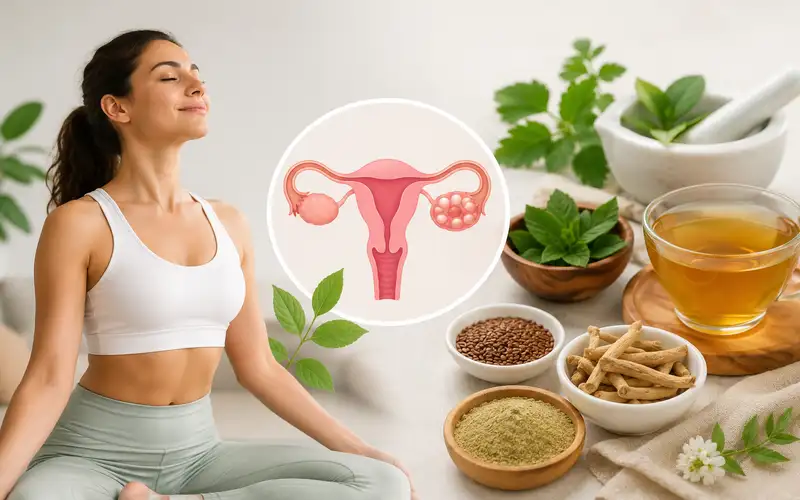
Lifestyle modification is one of the most effective ways to control PCOS symptoms naturally.
Weight loss improves insulin sensitivity and helps restore hormonal balance. Even a reduction of 5 to 10 percent of body weight can improve menstrual regularity and ovulation in many women.
Important lifestyle strategies include:
- Regular physical activity
- Balanced diet with low refined sugar intake
- Adequate sleep
- Stress management
Exercise improves metabolism and insulin response, while proper nutrition helps regulate blood sugar and hormone levels.
Many women experience significant improvement in acne, irregular periods, and fertility after consistent lifestyle changes.
Medical Treatments for PCOS
Treatment depends on symptoms, age, reproductive goals, and overall health.
Doctors may prescribe medications to:
- Regulate menstrual cycles
- Improve insulin sensitivity
- Reduce androgen related symptoms
- Support fertility
Commonly used therapies include hormonal contraceptives, insulin sensitizing medications, and ovulation induction treatment in women trying to conceive.
Medical treatment is usually combined with lifestyle modification for best outcomes.
Can Women With PCOS Get Pregnant
Yes, many women with PCOS can become pregnant naturally or with medical support.
PCOS can interfere with ovulation, making conception more difficult, but fertility often improves after weight management and hormonal treatment.
In some cases, fertility medications or assisted reproductive techniques may be recommended.
Early diagnosis and treatment improve reproductive outcomes significantly.
Long Term Health Risks of Untreated PCOS
Untreated PCOS may increase the risk of several long term health complications.
These include:
- Type 2 diabetes
- Obesity
- High cholesterol
- Infertility
- Sleep disorders
- Cardiovascular disease
Women with prolonged irregular periods may also have increased risk of endometrial problems.
Regular monitoring and early management are important for preventing complications.
Can PCOS Symptoms Go Away After Marriage or Pregnancy
A common misconception is that marriage or pregnancy permanently cures PCOS.
Pregnancy may temporarily improve hormonal patterns, and some women notice symptom reduction after childbirth. However, PCOS itself does not disappear permanently.
Symptoms may return later if lifestyle and metabolic factors are not controlled.
Medical follow up remains important even after pregnancy.
How to Manage PCOS Effectively Long Term
Long term management focuses on maintaining hormonal balance and reducing metabolic risk.
Effective strategies include:
- Maintaining healthy body weight
- Following regular exercise routine
- Eating balanced, high fiber meals
- Reducing processed foods and sugar intake
- Managing stress and sleep quality
Routine medical checkups help monitor blood sugar, cholesterol, hormonal health, and reproductive function.
Consistency is the key factor in long term symptom control.
When Should You Consult a Doctor for PCOS
Medical consultation is recommended if symptoms such as irregular periods, excessive hair growth, acne, or unexplained weight gain persist.
You should also seek medical advice if:
- Menstrual cycles are absent for several months
- Pregnancy is difficult despite regular attempts
- Symptoms worsen over time
- There is rapid weight gain or severe acne
Gynecologists and endocrinologists are the specialists most commonly involved in PCOS management.