- Published on: Nov 29, 2021
- 4 minute read
- By: Second Medic Expert
Low-Sodium Diet: Benefits, Food Lists, Risks, And More




Are you looking for ways to lower your blood pressure and lead a healthier life? If so, you might have heard about the low-sodium diet. But how does it work, and what are the benefits of a low-sodium diet? In this comprehensive guide, we'll explore the world of low-sodium diets, delve into the benefits, provide you with a list of low-sodium foods, and discuss the potential risks associated with this diet. If you're wondering how to lower your blood pressure and maintain a healthy diet, read on, and discover the answers from the experts!
What is a Low Sodium Diet ?
A low-sodium diet, also known as a low-salt diet, is a dietary plan that involves restricting the intake of sodium, a mineral found in salt (sodium chloride). The primary aim of a low-sodium diet is to reduce the amount of sodium in your daily meals. This diet is often recommended for individuals with high blood pressure (hypertension), heart disease, kidney issues, and other medical conditions where excess sodium can be harmful.
In a low-sodium diet, individuals limit their consumption of high-sodium foods, such as processed and fast foods, canned soups, salty snacks, and heavily salted meats. Instead, they focus on incorporating fresh and minimally processed foods like fruits, vegetables, lean proteins, whole grains, and unsalted nuts, while also using herbs and spices for flavor. By reducing sodium intake, this diet can help lower blood pressure, reduce the risk of heart disease, and improve overall health. However, it's essential to consult a healthcare professional before starting a low-sodium diet, as the level of sodium restriction may vary based on individual health needs.
Benefits of a Low Sodium Diet
1. Lower Blood Pressure: Lower blood pressure is one of the most sought-after benefits of a low-sodium diet. Hypertension, or high blood pressure, is a significant risk factor for heart disease and stroke. By reducing your sodium intake, you can help regulate your blood pressure and protect your heart.
2. Reduced Risk of Heart Disease: Lowering your sodium intake can decrease the risk of heart disease. Excess sodium can lead to the buildup of plaque in your arteries, which can restrict blood flow and increase the risk of heart attacks and other cardiovascular problems.
3. Weight Loss: Weight loss is an essential part of a healthy lifestyle. By embracing a low-sodium diet, you not only reduce your sodium intake but also limit your consumption of high-calorie, processed foods. This can aid in shedding those extra pounds more effectively.
Low-Sodium Foods for a Healthy Diet
When embarking on a low-sodium diet, it's crucial to know which foods to include in your meals. Incorporating these low-sodium options into your daily diet can make a significant difference in your health:
1. Fruits and Vegetables: Fresh fruits and vegetables are naturally low in sodium and provide essential vitamins and minerals. They are also rich in potassium, which can help balance your sodium levels.
2. Lean Proteins: Opt for lean meats, such as skinless poultry, fish, and tofu, as they contain lower sodium levels compared to processed meats like bacon and sausages.
3. Whole Grains: Foods like brown rice, quinoa, and whole-grain pasta are excellent choices for a low-sodium diet. They are high in fiber and provide sustained energy.
4. Nuts and Seeds: Almonds, walnuts, and flaxseeds are low-sodium sources of healthy fats and protein. They can be great for snacking or as toppings for your dishes.
5. Dairy Alternatives: Choose unsweetened almond milk, soy milk, or low-sodium cheese to reduce your sodium intake while still enjoying dairy-like products.
6. Herbs and Spices: Enhance the flavor of your dishes with herbs and spices like basil, oregano, and garlic instead of using salt. This adds taste without the negative health effects of sodium.
7. Low-Sodium Snacks: Keep your sodium levels in check by opting for unsalted popcorn, rice cakes, and low-sodium crackers. These snacks can satisfy your cravings without compromising your health.
8. Watch Out for Hidden Sodium: Pay attention to labels and be cautious of processed foods, as they often contain hidden sodium. Even seemingly healthy items like canned soups, sauces, and condiments can be high in sodium.
Risks Associated with a Low Sodium Diet
While there are numerous benefits to a low-sodium diet, it's essential to be aware of potential risks:
1. Dehydration: Drastically reducing your sodium intake can lead to dehydration, as sodium helps your body retain water. It's crucial to balance low sodium levels with adequate hydration. Be sure to drink plenty of water and other hydrating fluids to prevent dehydration.
2. Electrolyte Imbalance: A low-sodium diet can disrupt the balance of electrolytes in your body, potentially leading to muscle cramps, weakness, and other health issues. It's important to monitor your electrolyte levels and consult with a healthcare professional for guidance.
3. Diabetes: If you have diabetes, monitor your sodium intake carefully, as it can impact your blood sugar levels. Consult your doctor or consider an online doctor consultation for personalized advice on managing your diabetes while adhering to a low-sodium diet.
How Can I Lower Blood Pressure with a Low Sodium Diet?
Lowering blood pressure through a low-sodium diet is a goal many people aim to achieve. Here are some actionable steps you can take:
1. Consult a Doctor: Before starting any new diet, it's crucial to consult a doctor to discuss your individual health needs and get personalized recommendations. Your doctor can assess your current health status and provide guidance on the level of sodium reduction that's appropriate for you.
2. Online Doctor Consultation: If you prefer a convenient online doctor consultation, many healthcare providers offer telemedicine services, making it easy to access expert guidance from the comfort of your home. Online doctors can provide advice, monitor your progress, and help you stay on track with your low-sodium diet.
3. Set Realistic Goals: Establish achievable goals for sodium reduction and gradual blood pressure improvement. Realistic goals are more likely to be sustainable, and progress may be more motivating when they are achieved.
4. Read Labels: Pay close attention to food labels, looking for products with lower sodium content. Learn to interpret nutrition labels and ingredient lists to make informed choices when grocery shopping.
5. Meal Planning: Plan your meals ahead of time, incorporating low-sodium foods while avoiding high-sodium choices. Meal planning can help you stay on track and prevent impulsive, unhealthy choices.
6. Stay Hydrated: Balance your low sodium intake with proper hydration to prevent dehydration. Water is essential for various bodily functions, so aim to drink enough water throughout the day to stay properly hydrated.
In conclusion, a low-sodium diet can offer numerous benefits, including lower blood pressure, reduced risk of heart disease, and weight loss. However, it's essential to be mindful of potential risks such as dehydration, electrolyte imbalances, and their impact on conditions like diabetes. To effectively lower your blood pressure, consult with a doctor or explore online doctor consultation options for personalized guidance tailored to your unique health needs. With the right approach and a focus on low-sodium, healthy foods, you can take a significant step towards a healthier lifestyle and a healthier you.
Remember, improving your health through a low-sodium diet is a journey, and it's essential to be patient with yourself as you make these changes. By staying informed, seeking professional advice when needed, and making gradual, sustainable adjustments to your diet, you can enjoy the benefits of better blood pressure and overall well-being. Start your low-sodium diet today, and take the first step towards a healthier future.
Read FAQs
A. On a low sodium diet, focus on fresh foods like fruits, vegetables, lean proteins (poultry, fish, tofu), whole grains (brown rice, quinoa), unsalted nuts and seeds, low-sodium dairy alternatives, and use herbs and spices for flavor. Choose low-sodium snacks and read labels to avoid high-sodium products.
A. Start by reading food labels, planning meals with low-sodium ingredients, cooking at home, and avoiding processed foods. Gradually reduce salt intake and consult a healthcare professional for personalized guidance.
A. A low sodium diet is beneficial for individuals with high blood pressure, those at risk of heart disease or stroke, those looking to manage their weight, people with certain medical conditions, and diabetes patients seeking better blood sugar control. Consult a healthcare professional before starting the diet to assess your specific needs.


Asthma Symptoms in Adults: Early Signs, Triggers, and When to Seek Care
Asthma is often perceived as a childhood condition, but a significant number of cases develop or persist into adulthood. In India, adult asthma is increasingly recognised due to rising air pollution, occupational exposure and lifestyle-related risk factors. Unfortunately, asthma symptoms in adults are frequently misdiagnosed as recurrent infections, allergies or age-related breathlessness, leading to delayed treatment.
Understanding adult asthma symptoms is critical for early diagnosis, effective control and prevention of severe attacks.
What Is Asthma?
Asthma is a chronic inflammatory disease of the airways. In asthma, the airways become:
-
inflamed
-
narrow
-
overly sensitive to triggers
This leads to difficulty in breathing, especially during exposure to specific stimuli.
Why Adult Asthma Is Often Missed
Adult asthma symptoms may:
-
appear gradually
-
vary in severity
-
mimic common respiratory conditions
According to Indian Council of Medical Research and WHO data, many adults remain undiagnosed for years, increasing the risk of complications.
Common Asthma Symptoms in Adults
Wheezing
A high-pitched whistling sound while breathing, especially during exhalation, is a classic asthma sign.
Shortness of Breath
Adults with asthma often feel:
-
breathless during routine activities
-
difficulty taking deep breaths
This may worsen at night or early morning.
Chest Tightness
Many describe a sensation of pressure or tightness in the chest, which can be mistaken for heart-related issues.
Chronic Cough
A persistent cough, especially:
-
at night
-
early morning
-
after exercise
is a common but overlooked asthma symptom.
Symptoms That Worsen With Triggers
Asthma symptoms often intensify after exposure to specific triggers.
Air Pollution and Smoke
Urban pollution, vehicle emissions and indoor smoke significantly worsen asthma symptoms in adults.
Allergens
Dust mites, pollen, mould and pet dander are common triggers.
Respiratory Infections
Viral infections can trigger asthma flare-ups or reveal undiagnosed asthma.
Physical Activity
Exercise-induced asthma causes breathlessness and wheezing during or after physical exertion.
Weather Changes
Cold air, humidity and sudden temperature changes can aggravate symptoms.
Adult-Onset Asthma
Adult-onset asthma differs from childhood asthma.
Characteristics include:
-
onset after age 20–30
-
less association with childhood allergies
-
more persistent symptoms
-
higher likelihood of severe disease
Occupational exposure and hormonal changes contribute to adult-onset asthma.
Risk Factors for Asthma in Adults
Several factors increase asthma risk:
-
long-term exposure to pollution
-
smoking or passive smoking
-
occupational chemicals or dust
-
obesity
-
family history of asthma
-
chronic sinusitis or allergies
Women may experience asthma onset or worsening during hormonal changes.
When Asthma Symptoms Become Serious
Seek immediate medical attention if experiencing:
-
severe breathlessness
-
difficulty speaking in full sentences
-
bluish lips or fingertips
-
rapid worsening of symptoms
-
poor response to usual inhalers
These signs indicate a potentially life-threatening asthma attack.
How Adult Asthma Is Diagnosed
Diagnosis includes:
-
detailed symptom history
-
physical examination
-
lung function tests (spirometry)
-
response to bronchodilators
Early diagnosis improves long-term outcomes.
Impact of Untreated Asthma
Untreated asthma can lead to:
-
frequent attacks
-
reduced lung function
-
sleep disturbances
-
missed workdays
-
reduced quality of life
According to Lancet respiratory studies, uncontrolled asthma increases hospitalisation risk.
Managing Asthma Symptoms in Adults
Effective asthma management focuses on:
-
identifying and avoiding triggers
-
using prescribed inhalers correctly
-
monitoring symptoms regularly
-
maintaining follow-up care
Asthma action plans help patients recognise worsening symptoms early.
Role of Preventive Healthcare
Preventive healthcare helps:
-
detect asthma early
-
assess lung function
-
guide lifestyle modifications
Regular health checkups are especially important for individuals with respiratory symptoms or occupational exposure.
Lifestyle Measures That Support Asthma Control
Helpful practices include:
-
avoiding smoking
-
improving indoor air quality
-
wearing masks in polluted environments
-
maintaining healthy weight
-
regular, moderate exercise
Lifestyle support complements medical treatment.
Mental Health and Asthma
Stress and anxiety can worsen asthma symptoms.
Stress management:
-
reduces symptom frequency
-
improves medication response
Holistic care improves asthma outcomes.
Importance of Medication Adherence
Asthma medications work best when:
-
taken regularly as prescribed
-
inhaler technique is correct
Skipping treatment increases flare-up risk.
Long-Term Outlook for Adults With Asthma
With proper management:
-
symptoms are well controlled
-
severe attacks are preventable
-
normal activity levels are achievable
Most adults with asthma lead active, productive lives.
Conclusion
Asthma symptoms in adults are often subtle, variable and easily mistaken for common respiratory problems. Wheezing, breathlessness, chest tightness and chronic cough should not be ignored, especially when triggered by pollution, exercise or weather changes. Early diagnosis, trigger control and consistent treatment are essential to prevent severe attacks and preserve lung health. Recognising adult asthma early empowers individuals to manage symptoms effectively and maintain a good quality of life.
References
- Indian Council of Medical Research (ICMR) – Respiratory Disease and Asthma Studies
- World Health Organization (WHO) – Asthma Management and Prevention Guidelines
- National Family Health Survey (NFHS-5) – Respiratory Health Indicators
- Lancet Respiratory Medicine – Adult Asthma Outcomes and Management
- NITI Aayog – Air Pollution and Respiratory Health Reports
- Statista – Global Asthma Prevalence and Trends
Our Services
Request A Callback
Recent Posts



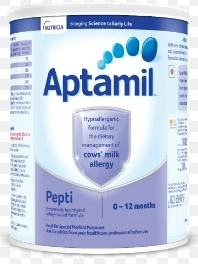
Aptamil Pepti Infant Formula 0 to 12 Months Tin 400gm
Brand: Nutricia International Private Limited
₹2000.00₹1960.00
View Details


Neocate LCP Infant Formula Powder 400GM
Brand: Nutricia International Private Limited
₹3300.00₹3234.00
View Details
Web Stories


Popular Lab Test






Live Doctor consultation
Live Doctor Chat

Fees ₹99
General Physician
Fees ₹99
General Physician
Fees ₹99
General Physician

Dr. Syed Mukhtar Mohiuddin
MBBS, MD , Fellowship in Diabetes Mellitus (UK)
- 7 Years
- English
Available at 00:00 to 07:00
Fees ₹99
General Physician
Fees ₹99
General Physician
Download Our App & Get Consultation from anywhere.