- Published on: Nov 29, 2021
- 4 minute read
- By: Second Medic Expert
Low-Sodium Diet: Benefits, Food Lists, Risks, And More




Are you looking for ways to lower your blood pressure and lead a healthier life? If so, you might have heard about the low-sodium diet. But how does it work, and what are the benefits of a low-sodium diet? In this comprehensive guide, we'll explore the world of low-sodium diets, delve into the benefits, provide you with a list of low-sodium foods, and discuss the potential risks associated with this diet. If you're wondering how to lower your blood pressure and maintain a healthy diet, read on, and discover the answers from the experts!
What is a Low Sodium Diet ?
A low-sodium diet, also known as a low-salt diet, is a dietary plan that involves restricting the intake of sodium, a mineral found in salt (sodium chloride). The primary aim of a low-sodium diet is to reduce the amount of sodium in your daily meals. This diet is often recommended for individuals with high blood pressure (hypertension), heart disease, kidney issues, and other medical conditions where excess sodium can be harmful.
In a low-sodium diet, individuals limit their consumption of high-sodium foods, such as processed and fast foods, canned soups, salty snacks, and heavily salted meats. Instead, they focus on incorporating fresh and minimally processed foods like fruits, vegetables, lean proteins, whole grains, and unsalted nuts, while also using herbs and spices for flavor. By reducing sodium intake, this diet can help lower blood pressure, reduce the risk of heart disease, and improve overall health. However, it's essential to consult a healthcare professional before starting a low-sodium diet, as the level of sodium restriction may vary based on individual health needs.
Benefits of a Low Sodium Diet
1. Lower Blood Pressure: Lower blood pressure is one of the most sought-after benefits of a low-sodium diet. Hypertension, or high blood pressure, is a significant risk factor for heart disease and stroke. By reducing your sodium intake, you can help regulate your blood pressure and protect your heart.
2. Reduced Risk of Heart Disease: Lowering your sodium intake can decrease the risk of heart disease. Excess sodium can lead to the buildup of plaque in your arteries, which can restrict blood flow and increase the risk of heart attacks and other cardiovascular problems.
3. Weight Loss: Weight loss is an essential part of a healthy lifestyle. By embracing a low-sodium diet, you not only reduce your sodium intake but also limit your consumption of high-calorie, processed foods. This can aid in shedding those extra pounds more effectively.
Low-Sodium Foods for a Healthy Diet
When embarking on a low-sodium diet, it's crucial to know which foods to include in your meals. Incorporating these low-sodium options into your daily diet can make a significant difference in your health:
1. Fruits and Vegetables: Fresh fruits and vegetables are naturally low in sodium and provide essential vitamins and minerals. They are also rich in potassium, which can help balance your sodium levels.
2. Lean Proteins: Opt for lean meats, such as skinless poultry, fish, and tofu, as they contain lower sodium levels compared to processed meats like bacon and sausages.
3. Whole Grains: Foods like brown rice, quinoa, and whole-grain pasta are excellent choices for a low-sodium diet. They are high in fiber and provide sustained energy.
4. Nuts and Seeds: Almonds, walnuts, and flaxseeds are low-sodium sources of healthy fats and protein. They can be great for snacking or as toppings for your dishes.
5. Dairy Alternatives: Choose unsweetened almond milk, soy milk, or low-sodium cheese to reduce your sodium intake while still enjoying dairy-like products.
6. Herbs and Spices: Enhance the flavor of your dishes with herbs and spices like basil, oregano, and garlic instead of using salt. This adds taste without the negative health effects of sodium.
7. Low-Sodium Snacks: Keep your sodium levels in check by opting for unsalted popcorn, rice cakes, and low-sodium crackers. These snacks can satisfy your cravings without compromising your health.
8. Watch Out for Hidden Sodium: Pay attention to labels and be cautious of processed foods, as they often contain hidden sodium. Even seemingly healthy items like canned soups, sauces, and condiments can be high in sodium.
Risks Associated with a Low Sodium Diet
While there are numerous benefits to a low-sodium diet, it's essential to be aware of potential risks:
1. Dehydration: Drastically reducing your sodium intake can lead to dehydration, as sodium helps your body retain water. It's crucial to balance low sodium levels with adequate hydration. Be sure to drink plenty of water and other hydrating fluids to prevent dehydration.
2. Electrolyte Imbalance: A low-sodium diet can disrupt the balance of electrolytes in your body, potentially leading to muscle cramps, weakness, and other health issues. It's important to monitor your electrolyte levels and consult with a healthcare professional for guidance.
3. Diabetes: If you have diabetes, monitor your sodium intake carefully, as it can impact your blood sugar levels. Consult your doctor or consider an online doctor consultation for personalized advice on managing your diabetes while adhering to a low-sodium diet.
How Can I Lower Blood Pressure with a Low Sodium Diet?
Lowering blood pressure through a low-sodium diet is a goal many people aim to achieve. Here are some actionable steps you can take:
1. Consult a Doctor: Before starting any new diet, it's crucial to consult a doctor to discuss your individual health needs and get personalized recommendations. Your doctor can assess your current health status and provide guidance on the level of sodium reduction that's appropriate for you.
2. Online Doctor Consultation: If you prefer a convenient online doctor consultation, many healthcare providers offer telemedicine services, making it easy to access expert guidance from the comfort of your home. Online doctors can provide advice, monitor your progress, and help you stay on track with your low-sodium diet.
3. Set Realistic Goals: Establish achievable goals for sodium reduction and gradual blood pressure improvement. Realistic goals are more likely to be sustainable, and progress may be more motivating when they are achieved.
4. Read Labels: Pay close attention to food labels, looking for products with lower sodium content. Learn to interpret nutrition labels and ingredient lists to make informed choices when grocery shopping.
5. Meal Planning: Plan your meals ahead of time, incorporating low-sodium foods while avoiding high-sodium choices. Meal planning can help you stay on track and prevent impulsive, unhealthy choices.
6. Stay Hydrated: Balance your low sodium intake with proper hydration to prevent dehydration. Water is essential for various bodily functions, so aim to drink enough water throughout the day to stay properly hydrated.
In conclusion, a low-sodium diet can offer numerous benefits, including lower blood pressure, reduced risk of heart disease, and weight loss. However, it's essential to be mindful of potential risks such as dehydration, electrolyte imbalances, and their impact on conditions like diabetes. To effectively lower your blood pressure, consult with a doctor or explore online doctor consultation options for personalized guidance tailored to your unique health needs. With the right approach and a focus on low-sodium, healthy foods, you can take a significant step towards a healthier lifestyle and a healthier you.
Remember, improving your health through a low-sodium diet is a journey, and it's essential to be patient with yourself as you make these changes. By staying informed, seeking professional advice when needed, and making gradual, sustainable adjustments to your diet, you can enjoy the benefits of better blood pressure and overall well-being. Start your low-sodium diet today, and take the first step towards a healthier future.
Read FAQs
A. On a low sodium diet, focus on fresh foods like fruits, vegetables, lean proteins (poultry, fish, tofu), whole grains (brown rice, quinoa), unsalted nuts and seeds, low-sodium dairy alternatives, and use herbs and spices for flavor. Choose low-sodium snacks and read labels to avoid high-sodium products.
A. Start by reading food labels, planning meals with low-sodium ingredients, cooking at home, and avoiding processed foods. Gradually reduce salt intake and consult a healthcare professional for personalized guidance.
A. A low sodium diet is beneficial for individuals with high blood pressure, those at risk of heart disease or stroke, those looking to manage their weight, people with certain medical conditions, and diabetes patients seeking better blood sugar control. Consult a healthcare professional before starting the diet to assess your specific needs.

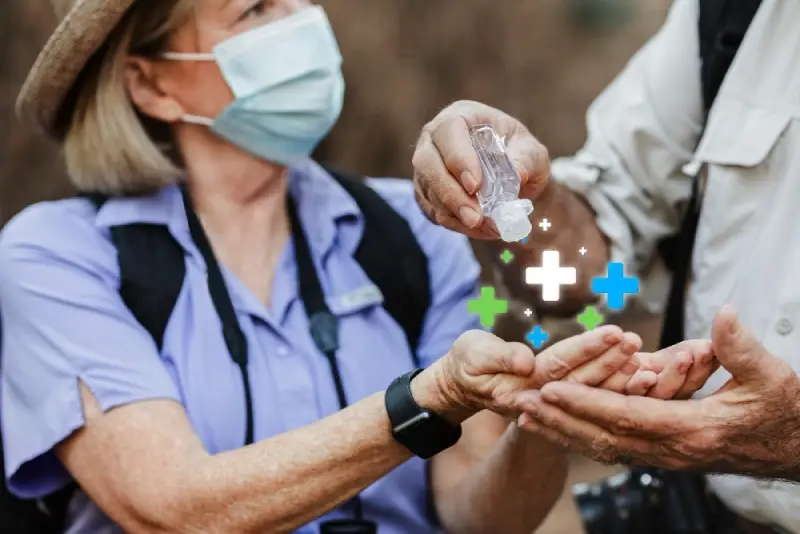
Monthly Field Day with Patients & Staff: Building Stronger Connections for Better Health
Healthcare outcomes are shaped not only by medical treatments but also by trust, communication and community engagement. As healthcare systems in India move toward preventive and patient-centric models, initiatives that foster meaningful interaction between patients and healthcare professionals are gaining importance. One such initiative is the Monthly Field Day with Patients & Staff.
A field day creates a shared space where patients and healthcare teams interact beyond clinical settings. These interactions humanise healthcare, improve understanding and encourage long-term wellness practices.
Why Community Engagement Matters in Healthcare
Modern healthcare recognises that health is influenced by behaviour, awareness and social support. According to the World Health Organization (WHO) and NITI Aayog, community-based health engagement improves preventive care adoption and patient outcomes.
Field days help bridge the gap between healthcare providers and patients by:
-
encouraging open dialogue
-
reducing fear and hesitation
-
promoting shared responsibility for health
What Is a Monthly Field Day with Patients & Staff?
A Monthly Field Day with Patients & Staff is a structured wellness initiative organised outside the routine clinical environment. It focuses on interaction, education and preventive health activities.
Typical elements include:
-
basic health screenings
-
lifestyle education sessions
-
fitness or relaxation activities
-
informal conversations with healthcare staff
-
family and caregiver participation
The aim is to create a supportive and approachable healthcare experience.
Why Monthly Frequency Matters
Consistency is key in behaviour change and preventive health.
Monthly field days:
-
reinforce health messages regularly
-
build familiarity and trust
-
allow continuous follow-up
-
keep wellness top of mind
According to public health studies, repeated engagement significantly improves health literacy and adherence.
Benefits for Patients
1. Improved Health Awareness
Patients gain better understanding of:
-
chronic disease management
-
preventive screenings
-
nutrition and lifestyle habits
Education in informal settings improves retention.
2. Increased Comfort with Healthcare Teams
Regular interaction reduces anxiety and hesitation around seeking medical care.
Patients are more likely to:
-
ask questions
-
follow medical advice
-
attend follow-ups
3. Early Risk Identification
Field days often include basic screenings that help detect:
-
high blood pressure
-
elevated blood sugar
-
obesity risk
Early identification enables timely intervention.
4. Enhanced Emotional Wellbeing
Social interaction and community activities reduce feelings of isolation, especially among elderly or chronically ill patients.
Benefits for Healthcare Staff
1. Better Understanding of Patient Needs
Direct interaction outside clinical settings helps staff understand patient challenges more holistically.
2. Improved Communication Skills
Informal engagement strengthens empathy and communication effectiveness.
3. Reduced Burnout
Positive patient interaction and community appreciation contribute to staff morale and job satisfaction.
WHO recognises staff wellbeing as a critical factor in healthcare quality.
Role of Field Days in Preventive Healthcare
Preventive healthcare focuses on reducing disease burden before complications arise. Field days support prevention by:
-
promoting routine screenings
-
encouraging healthy lifestyle habits
-
addressing myths and misconceptions
-
reinforcing long-term care plans
NITI Aayog identifies community engagement as a cornerstone of preventive healthcare strategies.
Activities Commonly Included in Field Days
Health Screening Stations
Blood pressure, blood sugar, BMI and basic assessments.
Wellness Education
Short talks on nutrition, exercise, sleep and stress.
Interactive Sessions
Q&A discussions with doctors, nurses and health educators.
Physical Activities
Group walks, yoga sessions or light exercises.
Family Engagement
Including caregivers improves adherence and support systems.
Impact on Chronic Disease Management
For patients with chronic conditions such as diabetes or hypertension, regular engagement:
-
improves medication adherence
-
reinforces lifestyle modification
-
reduces emergency visits
Lancet studies highlight that community-based interventions improve chronic disease outcomes.
Building Trust Through Transparency
Field days foster trust by:
-
making healthcare providers approachable
-
encouraging open dialogue
-
demonstrating commitment to patient wellbeing
Trust improves treatment adherence and satisfaction.
Role of Data and Feedback
Feedback collected during field days helps healthcare organisations:
-
identify common concerns
-
refine wellness programs
-
personalise future interventions
Data-driven engagement enhances program effectiveness.
Long-Term Impact on Healthcare Outcomes
Organisations that invest in regular patient-staff engagement observe:
-
higher patient satisfaction
-
improved preventive screening rates
-
reduced disease complications
-
stronger community relationships
According to WHO, patient-centred care models improve health outcomes and system efficiency.
Why Field Days Are Especially Relevant in India
India’s diverse population faces challenges such as:
-
limited health literacy
-
delayed care-seeking
-
chronic disease burden
Community-based initiatives like field days address these challenges through education and trust-building.
Conclusion
A Monthly Field Day with Patients & Staff is more than a community event—it is a strategic preventive healthcare initiative. By fostering open communication, promoting health awareness and strengthening relationships, field days improve patient engagement and staff wellbeing alike. In a healthcare landscape increasingly focused on prevention and community trust, regular field days play a vital role in building healthier, more connected communities.
References
-
ICMR – Community Health and Preventive Care Reports
-
National Family Health Survey (NFHS-5) – Health Awareness and Engagement Dat
-
NITI Aayog – Community-Based Preventive Healthcare Strategies
-
WHO – Patient-Centred Care and Community Health Guidelines
-
Lancet – Community Engagement and Health Outcome Studies
-
Statista – Healthcare Engagement and Preventive Care Trends India
-
EY-FICCI – Healthcare Workforce and Patient Engagement Reports
Our Services
Request A Callback
Recent Posts



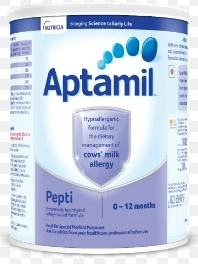
Aptamil Pepti Infant Formula 0 to 12 Months Tin 400gm
Brand: Nutricia International Private Limited
₹2000.00₹1960.00
View Details

Neocate LCP Infant Formula Powder 400GM
Brand: Nutricia International Private Limited
₹3300.00₹3234.00
View Details
Web Stories


Popular Lab Test






Live Doctor consultation
Live Doctor Chat

Fees ₹99
General Physician
Fees ₹99
General Physician

Dr. Syed Mukhtar Mohiuddin
MBBS, MD , Fellowship in Diabetes Mellitus (UK)
- 7 Years
- English
Available at 00:00 to 07:00
Fees ₹99
General Physician
Fees ₹99
General Physician
Fees ₹99
General Physician
Download Our App & Get Consultation from anywhere.