- Published on: Apr 16, 2022
- 4 minute read
- By: Second Medic Expert
Vitamin E Benefits




Vitamin E is a powerful antioxidant that helps to protect cells from the damage caused by free radicals. It also helps to improve circulation and has anti-inflammatory properties. Vitamin E can be found in many different foods, including leafy green vegetables, nuts, seeds, and oils. However, it can also be taken as a supplement, either as a vitamin pill or an oil. If you are thinking of taking a vitamin E supplement, it is important to speak with your doctor first to make sure that it is the right choice for you. Some people may need more vitamin E than others, and supplements can sometimes interact with other medications that you are taking.
Vitamin E is a nutrient found in some foods. It is also available as a dietary supplement. The main function of vitamin E is to act as an antioxidant. This means that it helps protect cells from damage caused by unstable molecules called free radicals. Free radicals can damage cells and may contribute to the development of some diseases, such as cancer and heart disease. There is some evidence that vitamin E may help protect against heart disease and cancer. However, more research is needed to determine whether this is true. Some people take vitamin E supplements to try to improve their health, but there is no clear evidence that they are effective for this purpose.
Vitamin E is a fat soluble vitamin that is most commonly found in oils, nuts, and seeds. It is an important antioxidant that helps to protect the body against damage caused by free radicals. Free radicals can damage cells and DNA, leading to the development of diseases such as cancer. Vitamin E can also help to maintain healthy skin and hair, and it may play a role in preventing heart disease. The recommended daily intake of vitamin E is 15 mg per day for adults. You can get this amount by eating one or two servings of high-vitamin E foods each day.
Vitamin E can be found in many foods, including vegetable oils, nuts, and seeds. One important role of vitamin E is to help protect cells from damage. It does this by acting as an antioxidant, which means that it helps neutralize harmful chemicals called free radicals. Free radicals can damage cells and may contribute to the development of some diseases. Vitamin E also plays a role in the immune system and in keeping blood vessels healthy.
Vitamin E is an important vitamin that is found in many foods. It has a lot of health benefits, such as protecting your heart and preventing damage to your cells. You can also get it from supplements, but you should talk to your doctor before doing that. They can help you figure out how much you need and whether you have any risks for taking it.
Vitamin E is a powerful antioxidant that can help protect your cells from damage. It's also important for supporting immune health and keeping your skin healthy. While you can get some vitamin E from food, it's often difficult to get enough through diet alone. Supplementing with vitamin E can be a great way to make sure you're getting enough of this important nutrient.
There are many potential benefits of vitamin E supplementation. Some research suggests that it may help reduce the risk of certain diseases, such as heart disease and cancer. Vitamin E is also an important nutrient for maintaining healthy skin and eyesight. It can also help improve cognitive function and provide other neurological benefits.
When it comes to vitamins, we often think of them as being good for our overall health. But did you know that each vitamin has specific benefits? For example, vitamin E is known for its ability to help improve the appearance of your skin. Keep reading to learn more about what vitamin E can do for you and how to incorporate it into your daily routine.
Vitamin E is a powerful antioxidant that can help protect your cells from damage. This means that it can help reduce the appearance of wrinkles and fine lines, as well as help to prevent new ones from forming. In addition, vitamin E has been shown to help improve the condition of dry or damaged skin.
Vitamin E is a nutritional supplement that can be found in many different forms, including pills, capsules, and even liquids. It is an antioxidant nutrient that helps to neutralize free radicals in the body, which are known to cause cell damage. Vitamin E has been shown to offer a wide range of health benefits, including reducing the risk of heart disease and stroke, improving cognitive function, and even helping to reverse age-related cognitive decline.
One of the best ways to get your daily dose of vitamin E is through online doctor consultation. This way you can make sure you are getting the right amount of vitamin E for your individual needs. Vitamin E is a vitamin that is found in many foods. It is a fat-soluble vitamin and is stored in the body. Vitamin E is an antioxidant and helps to protect the body from damage caused by free radicals. Free radicals are harmful compounds that can damage cells and cause cancer.
Vitamin E helps to boost the immune system and helps to keep the skin healthy. It may also help to prevent Alzheimer's disease and age-related mental decline. Vitamin E can be taken as a supplement or found in foods such as eggs, milk, nuts, seeds, and leafy green vegetables.
If you're looking for an all-natural way to improve your health, you may want to consider the benefits of vitamin E. Vitamin E is a powerful antioxidant that can help protect your cells from damage, and it has been linked with a number of health benefits, including heart health and a reduced risk of cancer. And now, thanks to online doctor consultations, it's easier than ever to get vitamin E delivered straight to your door.
When it comes to heart health, vitamin E has been shown to help reduce the risk of both heart disease and stroke. Vitamin E is an important nutrient that offers a variety of health benefits. It is an antioxidant, which means it helps protect your cells from damage. Vitamin E also helps to strengthen your immune system and plays a role in maintaining healthy skin and eyes.
Some research suggests that vitamin E may help to prevent or treat certain medical conditions, such as heart disease, cancer, and Alzheimer’s disease. However, more research is needed to confirm these potential health benefits. If you are interested in learning more about the potential health benefits of vitamin E, you may want to speak with your doctor or a registered dietitian. These healthcare professionals can provide you with personalized guidance based on your individual needs and health goals.

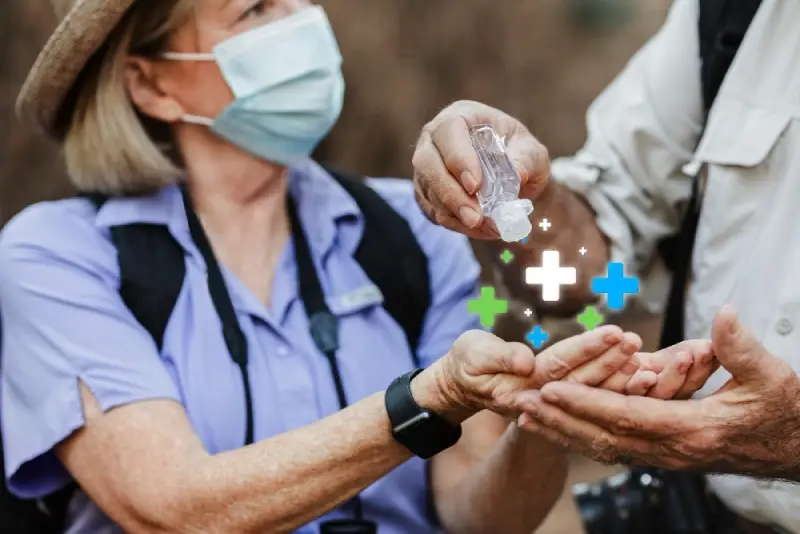
Monthly Field Day with Patients & Staff: Building Stronger Connections for Better Health
Healthcare outcomes are shaped not only by medical treatments but also by trust, communication and community engagement. As healthcare systems in India move toward preventive and patient-centric models, initiatives that foster meaningful interaction between patients and healthcare professionals are gaining importance. One such initiative is the Monthly Field Day with Patients & Staff.
A field day creates a shared space where patients and healthcare teams interact beyond clinical settings. These interactions humanise healthcare, improve understanding and encourage long-term wellness practices.
Why Community Engagement Matters in Healthcare
Modern healthcare recognises that health is influenced by behaviour, awareness and social support. According to the World Health Organization (WHO) and NITI Aayog, community-based health engagement improves preventive care adoption and patient outcomes.
Field days help bridge the gap between healthcare providers and patients by:
-
encouraging open dialogue
-
reducing fear and hesitation
-
promoting shared responsibility for health
What Is a Monthly Field Day with Patients & Staff?
A Monthly Field Day with Patients & Staff is a structured wellness initiative organised outside the routine clinical environment. It focuses on interaction, education and preventive health activities.
Typical elements include:
-
basic health screenings
-
lifestyle education sessions
-
fitness or relaxation activities
-
informal conversations with healthcare staff
-
family and caregiver participation
The aim is to create a supportive and approachable healthcare experience.
Why Monthly Frequency Matters
Consistency is key in behaviour change and preventive health.
Monthly field days:
-
reinforce health messages regularly
-
build familiarity and trust
-
allow continuous follow-up
-
keep wellness top of mind
According to public health studies, repeated engagement significantly improves health literacy and adherence.
Benefits for Patients
1. Improved Health Awareness
Patients gain better understanding of:
-
chronic disease management
-
preventive screenings
-
nutrition and lifestyle habits
Education in informal settings improves retention.
2. Increased Comfort with Healthcare Teams
Regular interaction reduces anxiety and hesitation around seeking medical care.
Patients are more likely to:
-
ask questions
-
follow medical advice
-
attend follow-ups
3. Early Risk Identification
Field days often include basic screenings that help detect:
-
high blood pressure
-
elevated blood sugar
-
obesity risk
Early identification enables timely intervention.
4. Enhanced Emotional Wellbeing
Social interaction and community activities reduce feelings of isolation, especially among elderly or chronically ill patients.
Benefits for Healthcare Staff
1. Better Understanding of Patient Needs
Direct interaction outside clinical settings helps staff understand patient challenges more holistically.
2. Improved Communication Skills
Informal engagement strengthens empathy and communication effectiveness.
3. Reduced Burnout
Positive patient interaction and community appreciation contribute to staff morale and job satisfaction.
WHO recognises staff wellbeing as a critical factor in healthcare quality.
Role of Field Days in Preventive Healthcare
Preventive healthcare focuses on reducing disease burden before complications arise. Field days support prevention by:
-
promoting routine screenings
-
encouraging healthy lifestyle habits
-
addressing myths and misconceptions
-
reinforcing long-term care plans
NITI Aayog identifies community engagement as a cornerstone of preventive healthcare strategies.
Activities Commonly Included in Field Days
Health Screening Stations
Blood pressure, blood sugar, BMI and basic assessments.
Wellness Education
Short talks on nutrition, exercise, sleep and stress.
Interactive Sessions
Q&A discussions with doctors, nurses and health educators.
Physical Activities
Group walks, yoga sessions or light exercises.
Family Engagement
Including caregivers improves adherence and support systems.
Impact on Chronic Disease Management
For patients with chronic conditions such as diabetes or hypertension, regular engagement:
-
improves medication adherence
-
reinforces lifestyle modification
-
reduces emergency visits
Lancet studies highlight that community-based interventions improve chronic disease outcomes.
Building Trust Through Transparency
Field days foster trust by:
-
making healthcare providers approachable
-
encouraging open dialogue
-
demonstrating commitment to patient wellbeing
Trust improves treatment adherence and satisfaction.
Role of Data and Feedback
Feedback collected during field days helps healthcare organisations:
-
identify common concerns
-
refine wellness programs
-
personalise future interventions
Data-driven engagement enhances program effectiveness.
Long-Term Impact on Healthcare Outcomes
Organisations that invest in regular patient-staff engagement observe:
-
higher patient satisfaction
-
improved preventive screening rates
-
reduced disease complications
-
stronger community relationships
According to WHO, patient-centred care models improve health outcomes and system efficiency.
Why Field Days Are Especially Relevant in India
India’s diverse population faces challenges such as:
-
limited health literacy
-
delayed care-seeking
-
chronic disease burden
Community-based initiatives like field days address these challenges through education and trust-building.
Conclusion
A Monthly Field Day with Patients & Staff is more than a community event—it is a strategic preventive healthcare initiative. By fostering open communication, promoting health awareness and strengthening relationships, field days improve patient engagement and staff wellbeing alike. In a healthcare landscape increasingly focused on prevention and community trust, regular field days play a vital role in building healthier, more connected communities.
References
-
ICMR – Community Health and Preventive Care Reports
-
National Family Health Survey (NFHS-5) – Health Awareness and Engagement Dat
-
NITI Aayog – Community-Based Preventive Healthcare Strategies
-
WHO – Patient-Centred Care and Community Health Guidelines
-
Lancet – Community Engagement and Health Outcome Studies
-
Statista – Healthcare Engagement and Preventive Care Trends India
-
EY-FICCI – Healthcare Workforce and Patient Engagement Reports
Our Services
Request A Callback
Recent Posts



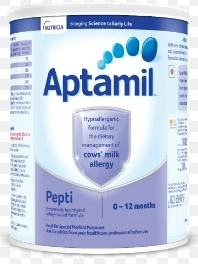
Aptamil Pepti Infant Formula 0 to 12 Months Tin 400gm
Brand: Nutricia International Private Limited
₹2000.00₹1960.00
View Details
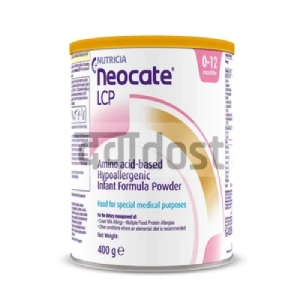
Neocate LCP Infant Formula Powder 400GM
Brand: Nutricia International Private Limited
₹3300.00₹3234.00
View Details
Web Stories


Popular Lab Test






Live Doctor consultation
Live Doctor Chat

Fees ₹99
General Physician

Dr. Syed Mukhtar Mohiuddin
MBBS, MD , Fellowship in Diabetes Mellitus (UK)
- 7 Years
- English
Available at 00:00 to 07:00
Fees ₹99
General Physician
Fees ₹99
General Physician
Fees ₹99
General Physician
Fees ₹99
General Physician
Download Our App & Get Consultation from anywhere.