- Published on: Sep 20, 2023
- 3 minute read
- By: Secondmedic Expert
Understanding The Most Common Types Of Fever In India




Imagine a land where fevers emerge from diverse corners, each with its unique story and impact. Ever wondered what's causing the heat, and more importantly, how to keep cool? Join us on this feverish journey as we explore the most common types of fever in India, unveiling their secrets.
Fever, often referred to as the body's natural alarm system, is a widespread concern in India. With its diverse landscape and vibrant communities, India encounters a wide array of fever-causing factors. In this engaging guide, we'll embark on a journey to explore the most common types of fever found in India. We'll not only uncover their causes, symptoms, and treatments but also equip you with the knowledge to navigate the fever landscape effectively.
Types of Fever in India
1. Malaria Fever
- Causes: Malaria is primarily caused by the Plasmodium parasite, which is transmitted to humans through the bite of infected Anopheles mosquitoes.
- Symptoms: Fever, chills, sweats, headache, and muscle pain are common symptoms. Severe cases can lead to organ damage and even death if left untreated.
- Treatment: Antimalarial drugs are used for treatment and prevention. Bed nets and insect repellents help prevent infection.
2. Dengue Fever
- Causes: Dengue fever is caused by the dengue virus, which is transmitted to humans through the bite of infected Aedes mosquitoes.
- Symptoms: High fever, severe headache, joint and muscle pain, rash, and bleeding are typical symptoms. Severe cases can lead to dengue hemorrhagic fever or dengue shock syndrome.
- Treatment: Supportive care, such as fluids and rest, is essential. Avoiding mosquito bites is crucial for prevention.
3. Typhoid Fever
- Causes: Typhoid fever is caused by the Salmonella Typhi bacterium, typically transmitted through contaminated food and water.
- Symptoms: Sustained high fever, weakness, stomach pain, headache, and a rose-colored rash are common symptoms.
- Treatment: Antibiotics are used for treatment. Good hygiene and safe food and water practices can prevent typhoid.
4. Chikungunya Fever
- Causes: Chikungunya is caused by the chikungunya virus, transmitted to humans through the bite of infected Aedes mosquitoes.
- Symptoms: High fever, severe joint pain, muscle pain, headache, and rash are typical symptoms. Joint pain can be long-lasting.
- Treatment: Supportive care to relieve symptoms. Avoid mosquito bites to prevent infection.
5. Influenza (Seasonal Flu)
- Causes: Influenza is caused by the influenza virus, with different strains circulating each year.
- Symptoms: Fever, cough, sore throat, body aches, and fatigue are common symptoms. It can lead to severe complications in some cases.
- Treatment: Antiviral medications can reduce the severity and duration of symptoms. Annual vaccination is recommended for prevention.
6. Common Cold
- Causes: The common cold can be caused by various viruses, including rhinoviruses.
- Symptoms: Fever (usually mild), runny or stuffy nose, sneezing, coughing, and sore throat are common cold symptoms.
- Treatment: Rest, hydration, and over-the-counter cold remedies can help manage symptoms. Good hygiene practices can prevent transmission.
7. Tuberculosis (TB)
- Causes: TB is caused by the Mycobacterium tuberculosis bacterium and primarily affects the lungs.
- Symptoms: Persistent cough, fever, night sweats, and weight loss are typical symptoms. TB can be severe and contagious.
- Treatment: A combination of antibiotics is used for treatment. TB vaccination and infection control measures are essential for prevention.
Differentiating Between Fever Types
- Duration of Fever: Some fevers, like common colds, may last for a few days, while others, like tuberculosis, can persist for weeks or even months if left untreated.
- Vector-Borne vs. Person-to-Person: Understanding the mode of transmission is crucial. Malaria and dengue are transmitted through mosquito bites, while diseases like tuberculosis are spread through respiratory droplets from person to person.
- Specific Symptoms: Pay attention to specific symptoms. For instance, joint pain is a distinguishing feature of chikungunya, while typhoid often presents with stomach pain and rose-colored rashes.
When to Seek Medical Attention
While many cases of fever can be managed at home with rest and over-the-counter medications, it's essential to know when to seek medical attention:
1. High Fever: If your fever persists at a high temperature (above 102°F or 39°C) for more than a few days, consult a doctor.
2. Severe Symptoms: Symptoms such as severe headache, difficulty breathing, chest pain, confusion, persistent vomiting, or bleeding require immediate medical attention.
3. Travel History: If you have traveled to an area with a high prevalence of specific diseases (e.g., malaria or dengue), inform your healthcare provider.
4. Chronic Symptoms: If you experience prolonged symptoms or recurrent fevers, consult a healthcare professional.
Fever, an unwelcome guest in our lives, is something we all encounter at some point. But in India, it takes on a unique character due to its diverse causes and manifestations. Armed with knowledge about the various fever types, their triggers, and ways to manage them, you are better prepared to tackle these health challenges head-on. So, stay informed, stay vigilant, and remember that in the battle against fever, awareness is your most potent weapon!
Read FAQs
A. To prevent fever in India, practice good hygiene, use mosquito nets and repellents, drink clean and safe water, and get vaccinated against preventable diseases like influenza and typhoid.
A. Common cold symptoms are typically milder and include a runny or stuffy nose, while influenza symptoms are more severe, with high fever, body aches, and fatigue. Influenza can also lead to complications.
A. Use mosquito nets, wear long-sleeved clothing, and use mosquito repellents. Eliminate mosquito breeding sites by removing standing water in and around your home.

Monthly Field Day with Patients & Staff: Building Stronger Connections for Better Health
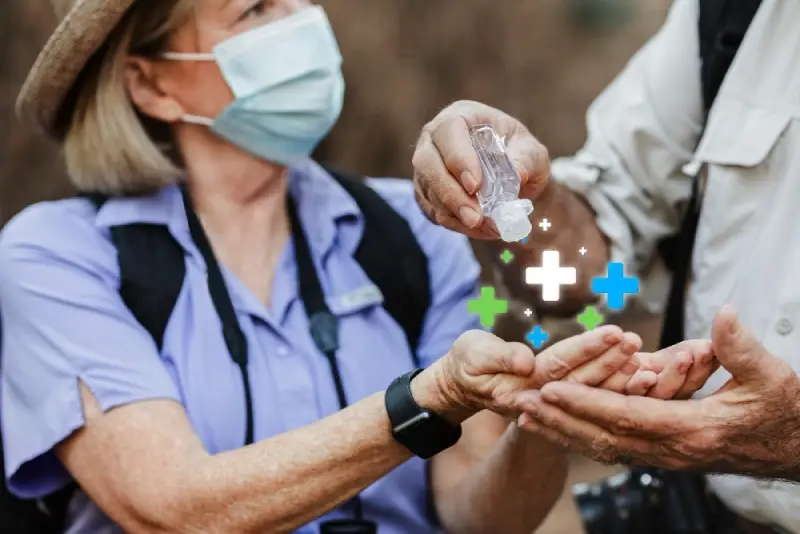
Healthcare outcomes are shaped not only by medical treatments but also by trust, communication and community engagement. As healthcare systems in India move toward preventive and patient-centric models, initiatives that foster meaningful interaction between patients and healthcare professionals are gaining importance. One such initiative is the Monthly Field Day with Patients & Staff.
A field day creates a shared space where patients and healthcare teams interact beyond clinical settings. These interactions humanise healthcare, improve understanding and encourage long-term wellness practices.
Why Community Engagement Matters in Healthcare
Modern healthcare recognises that health is influenced by behaviour, awareness and social support. According to the World Health Organization (WHO) and NITI Aayog, community-based health engagement improves preventive care adoption and patient outcomes.
Field days help bridge the gap between healthcare providers and patients by:
-
encouraging open dialogue
-
reducing fear and hesitation
-
promoting shared responsibility for health
What Is a Monthly Field Day with Patients & Staff?
A Monthly Field Day with Patients & Staff is a structured wellness initiative organised outside the routine clinical environment. It focuses on interaction, education and preventive health activities.
Typical elements include:
-
basic health screenings
-
lifestyle education sessions
-
fitness or relaxation activities
-
informal conversations with healthcare staff
-
family and caregiver participation
The aim is to create a supportive and approachable healthcare experience.
Why Monthly Frequency Matters
Consistency is key in behaviour change and preventive health.
Monthly field days:
-
reinforce health messages regularly
-
build familiarity and trust
-
allow continuous follow-up
-
keep wellness top of mind
According to public health studies, repeated engagement significantly improves health literacy and adherence.
Benefits for Patients
1. Improved Health Awareness
Patients gain better understanding of:
-
chronic disease management
-
preventive screenings
-
nutrition and lifestyle habits
Education in informal settings improves retention.
2. Increased Comfort with Healthcare Teams
Regular interaction reduces anxiety and hesitation around seeking medical care.
Patients are more likely to:
-
ask questions
-
follow medical advice
-
attend follow-ups
3. Early Risk Identification
Field days often include basic screenings that help detect:
-
high blood pressure
-
elevated blood sugar
-
obesity risk
Early identification enables timely intervention.
4. Enhanced Emotional Wellbeing
Social interaction and community activities reduce feelings of isolation, especially among elderly or chronically ill patients.
Benefits for Healthcare Staff
1. Better Understanding of Patient Needs
Direct interaction outside clinical settings helps staff understand patient challenges more holistically.
2. Improved Communication Skills
Informal engagement strengthens empathy and communication effectiveness.
3. Reduced Burnout
Positive patient interaction and community appreciation contribute to staff morale and job satisfaction.
WHO recognises staff wellbeing as a critical factor in healthcare quality.
Role of Field Days in Preventive Healthcare
Preventive healthcare focuses on reducing disease burden before complications arise. Field days support prevention by:
-
promoting routine screenings
-
encouraging healthy lifestyle habits
-
addressing myths and misconceptions
-
reinforcing long-term care plans
NITI Aayog identifies community engagement as a cornerstone of preventive healthcare strategies.
Activities Commonly Included in Field Days
Health Screening Stations
Blood pressure, blood sugar, BMI and basic assessments.
Wellness Education
Short talks on nutrition, exercise, sleep and stress.
Interactive Sessions
Q&A discussions with doctors, nurses and health educators.
Physical Activities
Group walks, yoga sessions or light exercises.
Family Engagement
Including caregivers improves adherence and support systems.
Impact on Chronic Disease Management
For patients with chronic conditions such as diabetes or hypertension, regular engagement:
-
improves medication adherence
-
reinforces lifestyle modification
-
reduces emergency visits
Lancet studies highlight that community-based interventions improve chronic disease outcomes.
Building Trust Through Transparency
Field days foster trust by:
-
making healthcare providers approachable
-
encouraging open dialogue
-
demonstrating commitment to patient wellbeing
Trust improves treatment adherence and satisfaction.
Role of Data and Feedback
Feedback collected during field days helps healthcare organisations:
-
identify common concerns
-
refine wellness programs
-
personalise future interventions
Data-driven engagement enhances program effectiveness.
Long-Term Impact on Healthcare Outcomes
Organisations that invest in regular patient-staff engagement observe:
-
higher patient satisfaction
-
improved preventive screening rates
-
reduced disease complications
-
stronger community relationships
According to WHO, patient-centred care models improve health outcomes and system efficiency.
Why Field Days Are Especially Relevant in India
India’s diverse population faces challenges such as:
-
limited health literacy
-
delayed care-seeking
-
chronic disease burden
Community-based initiatives like field days address these challenges through education and trust-building.
Conclusion
A Monthly Field Day with Patients & Staff is more than a community event—it is a strategic preventive healthcare initiative. By fostering open communication, promoting health awareness and strengthening relationships, field days improve patient engagement and staff wellbeing alike. In a healthcare landscape increasingly focused on prevention and community trust, regular field days play a vital role in building healthier, more connected communities.
References
-
ICMR – Community Health and Preventive Care Reports
-
National Family Health Survey (NFHS-5) – Health Awareness and Engagement Dat
-
NITI Aayog – Community-Based Preventive Healthcare Strategies
-
WHO – Patient-Centred Care and Community Health Guidelines
-
Lancet – Community Engagement and Health Outcome Studies
-
Statista – Healthcare Engagement and Preventive Care Trends India
-
EY-FICCI – Healthcare Workforce and Patient Engagement Reports
Our Services
Request A Callback
Recent Posts




Aptamil Pepti Infant Formula 0 to 12 Months Tin 400gm
Brand: Nutricia International Private Limited
₹2000.00₹1960.00
View Details


Neocate LCP Infant Formula Powder 400GM
Brand: Nutricia International Private Limited
₹3300.00₹3234.00
View Details
Web Stories


Popular Lab Test






Live Doctor consultation
Live Doctor Chat

Fees ₹99
General Physician
Fees ₹99
General Physician
Fees ₹99
General Physician
Fees ₹99
General Physician

Dr. Syed Mukhtar Mohiuddin
MBBS, MD , Fellowship in Diabetes Mellitus (UK)
- 7 Years
- English
Available at 00:00 to 07:00
Fees ₹99
General Physician
Download Our App & Get Consultation from anywhere.