- Published on: Sep 30, 2023
- 3 minute read
- By: Secondmedic Expert
The Vital Need For Distinguishing Between Dengue, Chikungunya, Malaria, And Typhoid Fevers




In the realm of infectious diseases, few challenges are as daunting as distinguishing between fevers with similar symptoms but vastly different treatments and consequences. Dengue, Chikungunya, Malaria, and Typhoid Fevers are four such illnesses that share overlapping symptoms, making accurate diagnosis crucial for appropriate medical intervention. This comprehensive guide will not only help you understand the distinctive features of each of these fevers but also emphasize the importance of distinguishing between them for effective healthcare management.
Dengue Fever
Dengue fever, often referred to as "breakbone fever," is caused by the Dengue virus and primarily transmitted through the bite of infected Aedes mosquitoes. It presents with symptoms such as high fever, severe headache, joint and muscle pain, rash, and bleeding tendencies. The hallmark of dengue fever is a sudden onset of high fever, which can last from 2 to 7 days.
Key points about Dengue Fever:
1. Transmitted by Aedes mosquitoes.
2. Sudden onset of high fever.
3. Severe joint and muscle pain.
4. Risk of bleeding tendencies.
Dengue fever can be a severe and life-threatening condition, especially when it progresses to Dengue Hemorrhagic Fever (DHF) or Dengue Shock Syndrome (DSS). These complications are marked by severe bleeding and organ failure, necessitating immediate medical attention.
Chikungunya Fever
Chikungunya fever is caused by the Chikungunya virus, transmitted primarily by the Aedes mosquitoes, similar to Dengue. The symptoms of Chikungunya include high fever, severe joint pain, headache, muscle pain, and rash. However, the key differentiator is the excruciating joint pain, which is often debilitating.
Key points about Chikungunya Fever:
1. Transmitted by Aedes mosquitoes.
2. Severe joint pain (distinguishing feature).
3. High fever, headache, and rash.
Chikungunya fever rarely leads to fatalities, but the joint pain can persist for months, significantly affecting the patient's quality of life.
Malaria
Malaria, caused by the Plasmodium parasite, is transmitted through the bite of infected Anopheles mosquitoes. While malaria can present with a variety of symptoms, including fever, chills, headache, and nausea, its hallmark feature is periodic fever and chills, occurring every 48 to 72 hours, depending on the species of Plasmodium.
Key points about Malaria:
1. Transmitted by Anopheles mosquitoes.
2. Periodic fever and chills (distinguishing feature).
3. Other symptoms may include headache and nausea.
Malaria is a serious disease and can be fatal if not promptly treated. The periodic nature of the fever is often a key diagnostic clue for healthcare providers.
Typhoid Fever
Typhoid fever, caused by the Salmonella Typhi bacterium, is usually contracted through contaminated food or water. Its symptoms include high fever, headache, stomach pain, and a characteristic rose-colored rash. Typhoid fever can be particularly dangerous if left untreated.
Key points about Typhoid Fever:
1. Transmitted through contaminated food or water.
2. Rose-colored rash (distinguishing feature).
3. High fever, headache, and stomach pain.
Typhoid fever can lead to serious complications such as intestinal perforation and is a significant public health concern, especially in areas with poor sanitation.
Importance of Accurate Diagnosis
1. Differing Treatment Protocols: Accurate diagnosis is crucial because each of these fevers requires different treatment approaches. For instance, while Dengue and Chikungunya fevers are primarily managed with supportive care, Malaria and Typhoid require specific antibiotics.
2. Preventing Complications: Misdiagnosis can lead to severe complications. For example, mistaking Dengue for Chikungunya may result in inadequate pain management, causing unnecessary suffering for the patient.
3. Vector Control and Public Health Measures: Accurate identification helps public health authorities take appropriate measures to control disease transmission. Effective vector control strategies can prevent outbreaks of Dengue and Chikungunya.
4. Antibiotic Resistance Concerns: Misdiagnosing Typhoid Fever as Malaria can lead to unnecessary antibiotic use, contributing to the growing problem of antibiotic resistance.
Accurate diagnosis is not only essential for individual patient care but also plays a significant role in public health strategies to control and prevent these diseases. A misdiagnosis can have far-reaching consequences, affecting not only the patient but also the community at large.
Diagnostic Methods
Accurate diagnosis of these fevers often relies on a combination of clinical evaluation and laboratory tests, including blood tests, serological assays, and molecular tests. Healthcare professionals play a pivotal role in assessing the patient's symptoms, travel history, and potential exposure to mosquitoes or contaminated food and water.
1. Clinical Evaluation: Healthcare providers begin the diagnostic process by conducting a thorough clinical evaluation. This includes taking a detailed medical history, assessing symptoms, and performing a physical examination. For instance, the presence of severe joint pain in Chikungunya or a rose-colored rash in Typhoid Fever may provide important diagnostic clues.
2. Laboratory Tests: Laboratory tests are essential for confirming the diagnosis. For Dengue and Chikungunya, specific serological tests can detect antibodies against the respective viruses. For Malaria, blood smears or rapid diagnostic tests can identify the presence of Plasmodium parasites. In the case of Typhoid Fever, blood cultures can help isolate Salmonella Typhi.
3. Travel and Exposure History: Understanding the patient's recent travel history is crucial, especially in regions where these diseases are endemic. A history of recent travel to a malaria-endemic area, for example, can significantly raise suspicion and guide diagnostic testing.
4. Vector Exposure: Enquiring about exposure to mosquito bites is vital for Dengue, Chikungunya, and Malaria. Additionally, questions about food and water sources can help identify potential Typhoid Fever cases related to contaminated ingestion.
Conclusion
In a world where infectious diseases continue to pose significant challenges, distinguishing between Dengue, Chikungunya, Malaria, and Typhoid Fevers is not just a medical necessity but a matter of public health significance. Accurate diagnosis ensures appropriate treatment, prevents complications, and helps control disease transmission. As responsible individuals, we should be aware of the distinctive features of these fevers and seek prompt medical attention when necessary. Remember, knowledge is the first line of defense against these potentially life-threatening illnesses.
Accurate diagnosis is the cornerstone of effective healthcare management in the case of these fevers. It is not only essential for individual patient care but also plays a significant role in public health strategies to control and prevent these diseases. A misdiagnosis can have far-reaching consequences, affecting not only the patient but also the community at large. Therefore, being informed about the symptoms and diagnostic methods for these fevers is a vital step towards better healthcare outcomes and a healthier society.
Read FAQs
A. Distinguishing factors include the onset of symptoms, the type of fever (continuous or intermittent), geographic location, and specific diagnostic tests. Dengue and malaria are transmitted by mosquitoes, while typhoid results from contaminated food or water. Seek medical assistance for an accurate diagnosis.
A. Chikungunya and dengue share common symptoms, such as high fever, joint pain, and rash. However, joint pain in chikungunya is typically more severe and prolonged. Laboratory tests are essential for an accurate diagnosis
A. During outbreaks, molecular tests like PCR (Polymerase Chain Reaction) are employed to differentiate between chikungunya and dengue. These tests can identify the specific virus causing the infection, aiding in accurate diagnosis and appropriate treatment.

Monthly Field Day with Patients & Staff: Building Stronger Connections for Better Health
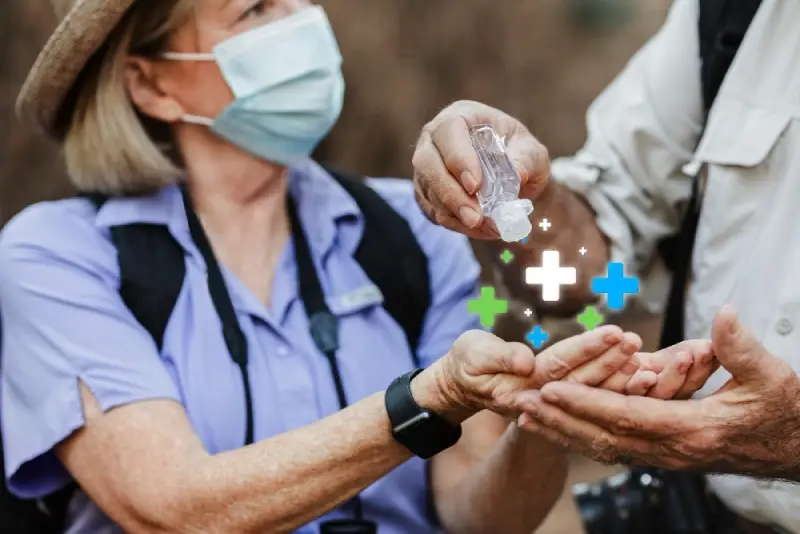
Healthcare outcomes are shaped not only by medical treatments but also by trust, communication and community engagement. As healthcare systems in India move toward preventive and patient-centric models, initiatives that foster meaningful interaction between patients and healthcare professionals are gaining importance. One such initiative is the Monthly Field Day with Patients & Staff.
A field day creates a shared space where patients and healthcare teams interact beyond clinical settings. These interactions humanise healthcare, improve understanding and encourage long-term wellness practices.
Why Community Engagement Matters in Healthcare
Modern healthcare recognises that health is influenced by behaviour, awareness and social support. According to the World Health Organization (WHO) and NITI Aayog, community-based health engagement improves preventive care adoption and patient outcomes.
Field days help bridge the gap between healthcare providers and patients by:
-
encouraging open dialogue
-
reducing fear and hesitation
-
promoting shared responsibility for health
What Is a Monthly Field Day with Patients & Staff?
A Monthly Field Day with Patients & Staff is a structured wellness initiative organised outside the routine clinical environment. It focuses on interaction, education and preventive health activities.
Typical elements include:
-
basic health screenings
-
lifestyle education sessions
-
fitness or relaxation activities
-
informal conversations with healthcare staff
-
family and caregiver participation
The aim is to create a supportive and approachable healthcare experience.
Why Monthly Frequency Matters
Consistency is key in behaviour change and preventive health.
Monthly field days:
-
reinforce health messages regularly
-
build familiarity and trust
-
allow continuous follow-up
-
keep wellness top of mind
According to public health studies, repeated engagement significantly improves health literacy and adherence.
Benefits for Patients
1. Improved Health Awareness
Patients gain better understanding of:
-
chronic disease management
-
preventive screenings
-
nutrition and lifestyle habits
Education in informal settings improves retention.
2. Increased Comfort with Healthcare Teams
Regular interaction reduces anxiety and hesitation around seeking medical care.
Patients are more likely to:
-
ask questions
-
follow medical advice
-
attend follow-ups
3. Early Risk Identification
Field days often include basic screenings that help detect:
-
high blood pressure
-
elevated blood sugar
-
obesity risk
Early identification enables timely intervention.
4. Enhanced Emotional Wellbeing
Social interaction and community activities reduce feelings of isolation, especially among elderly or chronically ill patients.
Benefits for Healthcare Staff
1. Better Understanding of Patient Needs
Direct interaction outside clinical settings helps staff understand patient challenges more holistically.
2. Improved Communication Skills
Informal engagement strengthens empathy and communication effectiveness.
3. Reduced Burnout
Positive patient interaction and community appreciation contribute to staff morale and job satisfaction.
WHO recognises staff wellbeing as a critical factor in healthcare quality.
Role of Field Days in Preventive Healthcare
Preventive healthcare focuses on reducing disease burden before complications arise. Field days support prevention by:
-
promoting routine screenings
-
encouraging healthy lifestyle habits
-
addressing myths and misconceptions
-
reinforcing long-term care plans
NITI Aayog identifies community engagement as a cornerstone of preventive healthcare strategies.
Activities Commonly Included in Field Days
Health Screening Stations
Blood pressure, blood sugar, BMI and basic assessments.
Wellness Education
Short talks on nutrition, exercise, sleep and stress.
Interactive Sessions
Q&A discussions with doctors, nurses and health educators.
Physical Activities
Group walks, yoga sessions or light exercises.
Family Engagement
Including caregivers improves adherence and support systems.
Impact on Chronic Disease Management
For patients with chronic conditions such as diabetes or hypertension, regular engagement:
-
improves medication adherence
-
reinforces lifestyle modification
-
reduces emergency visits
Lancet studies highlight that community-based interventions improve chronic disease outcomes.
Building Trust Through Transparency
Field days foster trust by:
-
making healthcare providers approachable
-
encouraging open dialogue
-
demonstrating commitment to patient wellbeing
Trust improves treatment adherence and satisfaction.
Role of Data and Feedback
Feedback collected during field days helps healthcare organisations:
-
identify common concerns
-
refine wellness programs
-
personalise future interventions
Data-driven engagement enhances program effectiveness.
Long-Term Impact on Healthcare Outcomes
Organisations that invest in regular patient-staff engagement observe:
-
higher patient satisfaction
-
improved preventive screening rates
-
reduced disease complications
-
stronger community relationships
According to WHO, patient-centred care models improve health outcomes and system efficiency.
Why Field Days Are Especially Relevant in India
India’s diverse population faces challenges such as:
-
limited health literacy
-
delayed care-seeking
-
chronic disease burden
Community-based initiatives like field days address these challenges through education and trust-building.
Conclusion
A Monthly Field Day with Patients & Staff is more than a community event—it is a strategic preventive healthcare initiative. By fostering open communication, promoting health awareness and strengthening relationships, field days improve patient engagement and staff wellbeing alike. In a healthcare landscape increasingly focused on prevention and community trust, regular field days play a vital role in building healthier, more connected communities.
References
-
ICMR – Community Health and Preventive Care Reports
-
National Family Health Survey (NFHS-5) – Health Awareness and Engagement Dat
-
NITI Aayog – Community-Based Preventive Healthcare Strategies
-
WHO – Patient-Centred Care and Community Health Guidelines
-
Lancet – Community Engagement and Health Outcome Studies
-
Statista – Healthcare Engagement and Preventive Care Trends India
-
EY-FICCI – Healthcare Workforce and Patient Engagement Reports
Our Services
Request A Callback
Recent Posts




Aptamil Pepti Infant Formula 0 to 12 Months Tin 400gm
Brand: Nutricia International Private Limited
₹2000.00₹1960.00
View Details


Neocate LCP Infant Formula Powder 400GM
Brand: Nutricia International Private Limited
₹3300.00₹3234.00
View Details
Web Stories


Popular Lab Test






Live Doctor consultation
Live Doctor Chat

Fees ₹99
General Physician

Dr. Syed Mukhtar Mohiuddin
MBBS, MD , Fellowship in Diabetes Mellitus (UK)
- 7 Years
- English
Available at 00:00 to 07:00
Fees ₹99
General Physician
Fees ₹99
General Physician
Fees ₹99
General Physician
Fees ₹99
General Physician
Download Our App & Get Consultation from anywhere.