- Published on: May 17, 2024
- 2 minute read
- By: SecondMedic Expert
The Digital Transformation Of Healthcare: How Online Doctor Consultations Are Revolutionizing Medicine




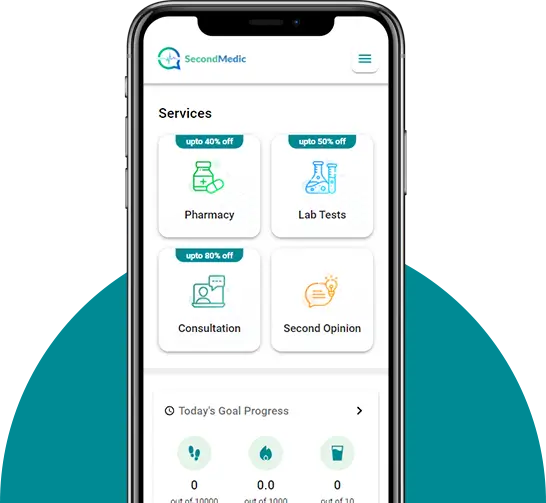
The emergence of online doctor consultations has had a significant impact on the medical industry recently, providing previously unheard-of levels of accessibility and convenience for healthcare services. With the advent of digital technology, patient-provider interactions have undergone a revolutionary transformation, dismantling conventional boundaries and enabling convenient access to high-quality healthcare services. We shall examine the development, advantages, and effects of online medical consultations on contemporary healthcare in this blog.
The Rise of Online Doctor Consultations
The practice of providing medical advice, diagnosis, and treatment plans via digital platforms is commonly referred to as online doctor consultation, or telemedicine. Particularly during the COVID-19 pandemic, which highlighted the need for remote healthcare solutions, this approach has acquired great traction.
How Online Consultations Work
Online consultations usually consist of these simple steps:
Appointment Booking: Using websites or applications for healthcare, patients make appointments.
Virtual Meeting: Patients can speak with a healthcare professional about their symptoms and medical history during consultations that are held over the phone, via chat, or through video calls.
Diagnosis and Treatment: Medical professionals provide diagnoses, write prescriptions for drugs, and, if necessary, suggest additional testing or follow-ups.
Follow-Up Care: Online management of follow-up visits and continuous care guarantees all-encompassing patient assistance.
Benefits of Online Doctor Consultations
1. Convenience and accessibility
Online doctor consultations have increased access to healthcare, particularly for those living in underserved or distant places. Long trips or lengthy wait times in congested clinics are no longer necessary for patients to obtain medical care. For people with hectic schedules, chronic illnesses, or mobility impairments, this convenience is especially helpful.
2. Efficiency in terms of Time and Money
Consultations conducted virtually save time and money by eliminating the need for travel, child care, and paid time off. Healthcare is becoming more reasonable because to the competitive pricing offered by many internet platforms. Furthermore, telemedicine can lessen the workload for medical institutions by cutting down on wait times and increasing the effectiveness of in-person appointments.
3. Continuous and Timely Care
Online consultations make it easier to receive prompt medical attention, preventing small problems from getting worse. In order to ensure that they receive the necessary care as soon as possible, patients can easily communicate with healthcare practitioners about urgent problems.
4. Enhanced Patient Engagement
Patients are encouraged to take a more proactive approach to their health due to the ease of online doctor consultations. Better adherence to treatment programs and the promotion of preventive healthcare behaviors are fostered by routine check-ins and simple access to medical advice.
5. Privacy and Comfort
A lot of patients value being able to visit with doctors in the comfort and privacy of their own homes. This atmosphere can make patients feel less anxious about going to the clinic and offer a more comfortable setting for talking about delicate health matters.
The Effect on Medical Professionals
The move to online consultations has also been advantageous for healthcare practitioners. Platforms for telemedicine let physicians better manage their time, connect with more patients, and provide ongoing care for current patients. Telemedicine has also made it possible for healthcare organizations to more effectively distribute resources, which has improved patient satisfaction and overall outcomes.
Challenges and Considerations
Online doctor consultations have many benefits, but they are not without difficulties. Strong encryption and secure communication routes are necessary to ensure patient privacy and data security. Furthermore, not all medical problems may be resolved remotely; in-person visits are still required for physical examinations and some diagnostic testing. Consequently, the best strategy is frequently a hybrid one that combines offline and online healthcare services.
Future Prospects
The prospects for online doctor consultations appear bright, as continuous technological progress is expected to augment telemedicine offerings. Online consultations will become more comprehensive and efficient as wearable technology, artificial intelligence, and enhanced telehealth platforms are integrated. A more linked and effective healthcare system will be made possible by these advancements, which will allow for more precise diagnosis, individualized treatment regimens, and real-time health monitoring.
In conclusion, let's embrace the revolution in digital healthcare.
Unquestionably, Online doctor consultations have transformed the medical industry by providing a quick, easy, and patient-focused method of treatment. Online consultations will probably become even more seamlessly integrated into traditional medical practice as technology advances, offering all patients comprehensive and easily accessible healthcare solutions.

Monthly Field Day with Patients & Staff: Building Stronger Connections for Better Health
Healthcare outcomes are shaped not only by medical treatments but also by trust, communication and community engagement. As healthcare systems in India move toward preventive and patient-centric models, initiatives that foster meaningful interaction between patients and healthcare professionals are gaining importance. One such initiative is the Monthly Field Day with Patients & Staff.
A field day creates a shared space where patients and healthcare teams interact beyond clinical settings. These interactions humanise healthcare, improve understanding and encourage long-term wellness practices.
Why Community Engagement Matters in Healthcare
Modern healthcare recognises that health is influenced by behaviour, awareness and social support. According to the World Health Organization (WHO) and NITI Aayog, community-based health engagement improves preventive care adoption and patient outcomes.
Field days help bridge the gap between healthcare providers and patients by:
-
encouraging open dialogue
-
reducing fear and hesitation
-
promoting shared responsibility for health
What Is a Monthly Field Day with Patients & Staff?
A Monthly Field Day with Patients & Staff is a structured wellness initiative organised outside the routine clinical environment. It focuses on interaction, education and preventive health activities.
Typical elements include:
-
basic health screenings
-
lifestyle education sessions
-
fitness or relaxation activities
-
informal conversations with healthcare staff
-
family and caregiver participation
The aim is to create a supportive and approachable healthcare experience.
Why Monthly Frequency Matters
Consistency is key in behaviour change and preventive health.
Monthly field days:
-
reinforce health messages regularly
-
build familiarity and trust
-
allow continuous follow-up
-
keep wellness top of mind
According to public health studies, repeated engagement significantly improves health literacy and adherence.
Benefits for Patients
1. Improved Health Awareness
Patients gain better understanding of:
-
chronic disease management
-
preventive screenings
-
nutrition and lifestyle habits
Education in informal settings improves retention.
2. Increased Comfort with Healthcare Teams
Regular interaction reduces anxiety and hesitation around seeking medical care.
Patients are more likely to:
-
ask questions
-
follow medical advice
-
attend follow-ups
3. Early Risk Identification
Field days often include basic screenings that help detect:
-
high blood pressure
-
elevated blood sugar
-
obesity risk
Early identification enables timely intervention.
4. Enhanced Emotional Wellbeing
Social interaction and community activities reduce feelings of isolation, especially among elderly or chronically ill patients.
Benefits for Healthcare Staff
1. Better Understanding of Patient Needs
Direct interaction outside clinical settings helps staff understand patient challenges more holistically.
2. Improved Communication Skills
Informal engagement strengthens empathy and communication effectiveness.
3. Reduced Burnout
Positive patient interaction and community appreciation contribute to staff morale and job satisfaction.
WHO recognises staff wellbeing as a critical factor in healthcare quality.
Role of Field Days in Preventive Healthcare
Preventive healthcare focuses on reducing disease burden before complications arise. Field days support prevention by:
-
promoting routine screenings
-
encouraging healthy lifestyle habits
-
addressing myths and misconceptions
-
reinforcing long-term care plans
NITI Aayog identifies community engagement as a cornerstone of preventive healthcare strategies.
Activities Commonly Included in Field Days
Health Screening Stations
Blood pressure, blood sugar, BMI and basic assessments.
Wellness Education
Short talks on nutrition, exercise, sleep and stress.
Interactive Sessions
Q&A discussions with doctors, nurses and health educators.
Physical Activities
Group walks, yoga sessions or light exercises.
Family Engagement
Including caregivers improves adherence and support systems.
Impact on Chronic Disease Management
For patients with chronic conditions such as diabetes or hypertension, regular engagement:
-
improves medication adherence
-
reinforces lifestyle modification
-
reduces emergency visits
Lancet studies highlight that community-based interventions improve chronic disease outcomes.
Building Trust Through Transparency
Field days foster trust by:
-
making healthcare providers approachable
-
encouraging open dialogue
-
demonstrating commitment to patient wellbeing
Trust improves treatment adherence and satisfaction.
Role of Data and Feedback
Feedback collected during field days helps healthcare organisations:
-
identify common concerns
-
refine wellness programs
-
personalise future interventions
Data-driven engagement enhances program effectiveness.
Long-Term Impact on Healthcare Outcomes
Organisations that invest in regular patient-staff engagement observe:
-
higher patient satisfaction
-
improved preventive screening rates
-
reduced disease complications
-
stronger community relationships
According to WHO, patient-centred care models improve health outcomes and system efficiency.
Why Field Days Are Especially Relevant in India
India’s diverse population faces challenges such as:
-
limited health literacy
-
delayed care-seeking
-
chronic disease burden
Community-based initiatives like field days address these challenges through education and trust-building.
Conclusion
A Monthly Field Day with Patients & Staff is more than a community event—it is a strategic preventive healthcare initiative. By fostering open communication, promoting health awareness and strengthening relationships, field days improve patient engagement and staff wellbeing alike. In a healthcare landscape increasingly focused on prevention and community trust, regular field days play a vital role in building healthier, more connected communities.
References
-
ICMR – Community Health and Preventive Care Reports
-
National Family Health Survey (NFHS-5) – Health Awareness and Engagement Dat
-
NITI Aayog – Community-Based Preventive Healthcare Strategies
-
WHO – Patient-Centred Care and Community Health Guidelines
-
Lancet – Community Engagement and Health Outcome Studies
-
Statista – Healthcare Engagement and Preventive Care Trends India
-
EY-FICCI – Healthcare Workforce and Patient Engagement Reports
Our Services
Request A Callback
Recent Posts




Aptamil Pepti Infant Formula 0 to 12 Months Tin 400gm
Brand: Nutricia International Private Limited
₹2000.00₹1960.00
View Details


Neocate LCP Infant Formula Powder 400GM
Brand: Nutricia International Private Limited
₹3300.00₹3234.00
View Details
Web Stories


Popular Lab Test






Live Doctor consultation
Live Doctor Chat

Fees ₹99
General Physician
Fees ₹99
General Physician
Fees ₹99
General Physician

Dr. Syed Mukhtar Mohiuddin
MBBS, MD , Fellowship in Diabetes Mellitus (UK)
- 7 Years
- English
Available at 00:00 to 07:00
Fees ₹99
General Physician
Fees ₹99
General Physician
Download Our App & Get Consultation from anywhere.