- Published on: Jun 02, 2025
- 4 minute read
- By: Secondmedic Expert
H5N1 Bird Flu: Symptoms, Causes, And Treatment India




Bird flu, also known as Avian Influenza, is a viral infection that spreads mainly among birds. One of the most dangerous types is H5N1, which can also infect humans and cause serious illness. In recent months, India has seen a rise in H5N1 bird flu outbreaks across several states, raising concern among health officials and the general public. This blog will help you understand what H5N1 bird flu is, how it spreads, the symptoms to watch out for, treatment options, and how to stay safe.
What is H5N1 Bird Flu?
H5N1 is a type of highly pathogenic avian influenza (HPAI) virus. It mainly affects domestic and wild birds but can occasionally infect humans and other animals like cats, tigers, and even pigs. The virus was first discovered in 1997 in Hong Kong and has since caused outbreaks around the world, including India.
The term "H5N1" refers to the two proteins on the virus surface: Hemagglutinin (H5) and Neuraminidase (N1). These determine how the virus infects cells and spreads.
H5N1 Bird Flu in India: The Current Situation
India has reported multiple outbreaks of H5N1 in 2025:
-
In Andhra Pradesh, eight outbreaks were confirmed, and over 600,000 birds were either killed by the virus or culled to prevent further spread.
-
A 2-year-old girl from Andhra Pradesh tragically died from H5N1, marking a rare and serious human case.
-
Gorakhpur in Uttar Pradesh has also been affected. Authorities have shut down poultry shops and started culling operations.
-
Other states like Maharashtra, Karnataka, Telangana, and Bihar have reported cases in poultry and wild birds.
These outbreaks highlight the urgent need for public awareness and preventive measures.
How Does H5N1 Spread?
H5N1 bird flu spreads mainly from infected birds to other birds and sometimes to humans.
Among Birds:
-
Direct contact with infected birds (alive or dead)
-
Contact with droppings, saliva, or feathers
-
Contaminated feed, water, cages, or tools
From Birds to Humans:
-
Close contact with infected poultry (handling, cleaning cages)
-
Eating undercooked or raw poultry products
-
Visiting live bird markets
-
Inhaling dust from contaminated bird droppings
It’s important to note that H5N1 does not spread easily from person to person. However, if the virus mutates, it could potentially lead to human-to-human transmission.
Symptoms of H5N1 Bird Flu in Humans
Symptoms of H5N1 infection in humans can appear within 2 to 8 days after exposure. These include:
-
High fever (above 38°C)
-
Cough and sore throat
-
Muscle pain
-
Shortness of breath
-
Fatigue and weakness
-
Eye infections (conjunctivitis)
In more serious cases, the infection can lead to:
-
Pneumonia
-
Multi-organ failure
-
Sepsis
-
Death
Immediate medical attention is critical if you suspect H5N1 infection.
How is H5N1 Diagnosed?
If a person shows flu-like symptoms and has been exposed to infected birds, doctors may recommend the following tests:
-
Throat or nasal swab for virus detection
-
Chest X-ray to check for pneumonia
-
Blood tests to monitor organ function
Samples are sent to specialized laboratories for confirmation. The National Institute of Virology (NIV) in Pune is one such testing center in India.
Treatment for H5N1 Bird Flu
There is no specific cure for H5N1, but early treatment can reduce complications. Doctors often use antiviral drugs like:
-
Oseltamivir (Tamiflu)
-
Zanamivir (Relenza)
These medicines work best when taken within 48 hours of symptom onset.
Supportive Care Includes:
-
Oxygen support
-
Fluids through IV
-
Fever-reducing medications
-
Monitoring vital organs
Hospitalization is usually necessary, especially in severe cases.
How to Prevent H5N1 Bird Flu
Personal Precautions:
-
Wash your hands regularly with soap.
-
Wear masks and gloves while handling birds or cleaning bird cages.
-
Avoid touching dead birds.
-
Cook poultry and eggs thoroughly (internal temperature should reach 70°C).
Avoid:
-
Visiting live bird markets
-
Consuming raw or half-cooked eggs
-
Buying poultry from unlicensed vendors
For Poultry Farmers:
-
Separate sick birds immediately.
-
Disinfect poultry areas regularly.
-
Report unusual bird deaths to local veterinary authorities.
-
Don’t allow wild birds near poultry areas.
Vaccination:
While poultry vaccines exist, there’s currently no approved vaccine for humans against H5N1. However, scientists are working on new vaccines due to the rising global threat.
Government Steps in India
The Indian government, through the Department of Animal Husbandry & Dairying and Ministry of Health, is actively:
-
Monitoring bird flu outbreaks
-
Running awareness campaigns
-
Banning transport of poultry in affected areas
-
Setting up containment zones
-
Coordinating with WHO and international health bodies
States like Andhra Pradesh and Uttar Pradesh have already taken swift action, including culling and disinfection drives.
When to See a Doctor
You should see a doctor immediately if:
-
You develop flu-like symptoms after visiting a poultry farm or market
-
You have handled sick or dead birds recentl
-
Your symptoms worsen quickly (breathing issues, chest pain)
Early diagnosis and treatment can be life-saving.
Conclusion
The H5N1 bird flu is a serious health concern, especially with the recent rise in cases across India. While the risk of human infection remains low, it’s important to stay informed and cautious. If you handle birds or poultry, take proper safety measures and follow local health advisories.
The key to preventing an outbreak lies in awareness, early detection, and strict hygiene practices. Stay updated on the latest news from official health authorities and avoid panic.
If you want to stay safe and informed, bookmark this guide on "H5N1 Bird Flu: Symptoms, Causes, and Treatment India" and share it with your friends and family.
Read FAQs
A. H5N1 is a highly contagious avian influenza virus that mainly affects birds but can infect humans in rare cases.
A. Yes, several outbreaks have been reported in 2025 in states like Andhra Pradesh, Uttar Pradesh, Maharashtra, and Bihar.
A. Symptoms include high fever, cough, sore throat, muscle pain, and shortness of breath. Severe cases may lead to pneumonia or death.
A. Avoid contact with live or dead poultry, cook meat and eggs thoroughly, and follow hygiene guidelines.
A. Antiviral medications like Tamiflu may help if taken early. There is no widely available vaccine for humans as of now.


5K Run for a Cause: How Community Fitness Drives Preventive Health Awareness
Physical activity is one of the most effective tools for disease prevention, yet it remains underutilised in everyday life. Community-based fitness initiatives such as a 5K Run for a Cause play a powerful role in bridging this gap by making movement accessible, meaningful and socially engaging. These events combine the benefits of exercise with awareness-building, creating lasting impact on public health.
In India, lifestyle-related diseases such as diabetes, heart disease and obesity are rising rapidly. According to the Indian Council of Medical Research (ICMR) and National Family Health Survey (NFHS-5), physical inactivity is a major contributor to this growing burden. Events that encourage structured, enjoyable physical activity help counter this trend.
What Is a 5K Run for a Cause?
A 5K Run for a Cause is a short-distance running or walking event designed to promote fitness while supporting a health, social or community objective. Participants may run, jog or walk the 5-kilometre distance, making the event inclusive for people of varying fitness levels.
Beyond physical activity, these runs aim to:
-
raise awareness about preventive health
-
encourage active lifestyles
-
build community participation
-
support wellness-driven causes
Why 5K Is an Ideal Distance
The 5-kilometre distance is widely recognised as:
-
achievable for beginners
-
challenging enough to promote fitness
-
safe for most age groups with minimal training
WHO physical activity guidelines support moderate-intensity exercise like running or brisk walking for improving cardiovascular and metabolic health.
Health Benefits of Participating in a 5K Run
Improved Cardiovascular Health
Running and brisk walking strengthen the heart, improve circulation and lower blood pressure. Regular participation reduces the risk of heart disease and stroke.
Better Metabolic Health
Physical activity improves insulin sensitivity and supports weight management. ICMR data shows that regular movement significantly reduces diabetes risk.
Enhanced Mental Wellbeing
Exercise releases endorphins that reduce stress, anxiety and depression. Community runs add a social element that further supports mental health.
Improved Musculoskeletal Strength
Running strengthens muscles, bones and joints, reducing the risk of age-related mobility issues.
Role of 5K Runs in Preventive Healthcare
Preventive healthcare focuses on reducing disease risk before illness develops. A 5K Run for a Cause supports prevention by:
-
promoting physical activity
-
encouraging regular movement habits
-
raising awareness about lifestyle diseases
-
motivating health-conscious behaviour
NITI Aayog identifies physical activity promotion as a key pillar of preventive healthcare in India.
Community Impact of a 5K Run for a Cause
Building Health Awareness
Runs often highlight specific causes such as heart health, diabetes prevention or mental wellbeing, reinforcing public health messages.
Strengthening Social Bonds
Community participation fosters shared goals and mutual motivation, increasing long-term adherence to healthy habits.
Encouraging Family Participation
Inclusive events encourage families to adopt healthier lifestyles together.
5K Runs and Corporate Wellness Programs
Corporate wellness programs increasingly include physical activity initiatives.
Benefits for organisations include:
-
improved employee engagement
-
reduced absenteeism
-
enhanced team bonding
-
positive employer branding
EY-FICCI reports show that wellness initiatives focused on physical activity deliver strong participation and measurable health benefits.
Accessibility and Inclusivity
A key strength of 5K runs is inclusivity.
They accommodate:
-
first-time runners
-
walkers
-
older adults
-
people transitioning to active lifestyles
This inclusiveness reduces barriers to participation.
Supporting Long-Term Behaviour Change
One-time events create awareness, but their true value lies in inspiring long-term change.
Participants often:
-
continue walking or running regularly
-
become more conscious of fitness
-
seek preventive health checkups
Lancet studies indicate that community-based physical activity initiatives can influence long-term health behaviours.
Safety and Health Considerations
For safe participation:
-
individuals should assess fitness levels
-
warm-up and cool-down are essential
-
hydration should be prioritised
-
those with medical conditions should seek medical advice
Proper guidance ensures benefits without injury.
Role of Awareness and Education
Successful runs integrate education through:
-
health talks
-
informational materials
-
screening camps
-
wellness resources
This combination reinforces preventive health messages.
Measuring Impact
Impact can be assessed through:
-
participation rates
-
follow-up health initiatives
-
employee engagement metrics
-
community feedback
Data-driven evaluation improves future program design.
Why 5K Runs Matter in India
India faces challenges such as:
-
rising sedentary lifestyles
-
limited health awareness
-
increasing chronic disease burden
Community fitness events provide a scalable, low-cost solution to promote active living and prevention.
Conclusion
A 5K Run for a Cause is more than a fitness event—it is a preventive health movement. By combining physical activity with purpose, these runs encourage healthier lifestyles, strengthen community bonds and raise awareness about long-term wellbeing. In a country where lifestyle diseases are growing rapidly, initiatives that make movement accessible and meaningful are essential. A simple 5K run can be a powerful step toward a healthier, more active society.
References
-
ICMR – Physical Activity and Lifestyle Disease Prevention Reports
-
National Family Health Survey (NFHS-5) – Physical Activity and Health Data
-
NITI Aayog – Preventive Healthcare and Physical Activity Promotion Strategy
-
WHO – Physical Activity and Health Guideline
-
Lancet – Community Fitness and Preventive Health Studies
-
Statista – Fitness Events and Participation Trends India
-
EY-FICCI – Corporate Wellness and Physical Activity Reports
Our Services
Request A Callback
Recent Posts



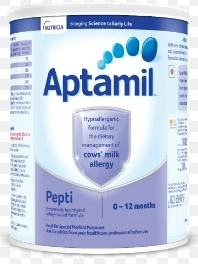
Aptamil Pepti Infant Formula 0 to 12 Months Tin 400gm
Brand: Nutricia International Private Limited
₹2000.00₹1960.00
View Details


Neocate LCP Infant Formula Powder 400GM
Brand: Nutricia International Private Limited
₹3300.00₹3234.00
View Details
Web Stories


Popular Lab Test






Live Doctor consultation
Live Doctor Chat

Fees ₹99
General Physician

Dr. Syed Mukhtar Mohiuddin
MBBS, MD , Fellowship in Diabetes Mellitus (UK)
- 7 Years
- English
Available at 00:00 to 07:00
Fees ₹99
General Physician
Fees ₹99
General Physician
Fees ₹99
General Physician
Fees ₹99
General Physician
Download Our App & Get Consultation from anywhere.