- Published on: Jan 24, 2025
- 3 minute read
- By: SecondMedic Expert
Guillain-Barre Syndrome - Symptoms And Causes




Guillain-Barré syndrome (GBS) is a rare but serious neurological condition in which the body’s immune system mistakenly attacks the peripheral nervous system. This condition can lead to muscle weakness, numbness, and even paralysis in severe cases. Understanding Guillain-Barré syndrome symptoms, causes, and treatment options is crucial for early detection and effective management.
Guillain-Barré Syndrome Symptoms
The symptoms of Guillain-Barré syndrome typically begin with mild sensations of tingling or numbness in the hands and feet. These early signs of Guillain-Barré syndrome may quickly progress to more severe issues, including:
-
Muscle Weakness: Starting in the legs and spreading to the upper body, this weakness can become so severe that mobility is significantly impaired.
-
Reflex Loss: Deep tendon reflexes, such as the knee-jerk response, are often diminished or absent.
-
Pain: Many individuals experience sharp or cramping pain, particularly in the lower back.
-
Difficulty with Eye or Facial Movements: Symptoms may include difficulty speaking, chewing, or swallowing.
-
Respiratory Problems: In some cases, Guillain-Barré syndrome and respiratory failure become significant concerns, necessitating immediate medical intervention.
-
Autonomic Dysfunction: Irregular heart rhythms, blood pressure fluctuations, and other involuntary functions can be affected.
Guillain-Barré Syndrome Causes
The exact causes of Guillain-Barré syndrome are not fully understood. However, it is widely believed that the syndrome is triggered by an overactive immune response to an infection or other environmental factors. Common Guillain-Barré syndrome causes and risk factors include:
-
Viral Infections: Conditions such as influenza, Zika virus, and Epstein-Barr virus have been associated with GBS.
-
Bacterial Infections: Campylobacter jejuni, a bacterium often linked to food poisoning, is a common trigger.
-
Vaccinations: Although extremely rare, certain vaccines have been linked to GBS.
-
Surgical Procedures: Some individuals may develop Guillain-Barré syndrome following surgery.
-
Other Risk Factors: A history of autoimmune disorders or genetic predispositions may increase the risk.
Guillain-Barré Syndrome Progression Stages
Guillain-Barré syndrome progression stages typically unfold in three distinct phases:
-
Initial Stage: Lasting 1-4 weeks, this stage includes the rapid onset of Guillain-Barré syndrome symptoms such as weakness and numbness.
-
Plateau Stage: Symptoms stabilize but remain severe. This stage can last several weeks.
-
Recovery Stage: Gradual improvement begins, although Guillain-Barré syndrome recovery time can vary significantly between individuals, often taking weeks to months.
Guillain-Barré Syndrome Diagnosis
Diagnosing Guillain-Barré syndrome requires a thorough clinical evaluation. Physicians rely on specific Guillain-Barré syndrome diagnosis criteria, which include:
-
Patient History: Recent infections or medical procedures may provide crucial clues.
-
Neurological Examination: Reflexes, muscle strength, and sensory responses are assessed.
-
Electrodiagnostic Tests: Nerve conduction studies (NCS) and electromyography (EMG) help identify nerve damage.
-
Lumbar Puncture: Testing cerebrospinal fluid (CSF) can reveal elevated protein levels, a hallmark of GBS.
Early diagnosis is essential for effective treatment and to prevent complications like Guillain-Barré syndrome and respiratory failure.
Guillain-Barré Syndrome Treatment
Treatment for Guillain-Barré syndrome focuses on managing symptoms and speeding up recovery. The primary Guillain-Barré syndrome treatment options include:
-
Plasma Exchange (Plasmapheresis): This procedure removes harmful antibodies from the blood.
-
Intravenous Immunoglobulin (IVIG): High-dose immunoglobulin therapy helps neutralize the antibodies attacking the nervous system.
-
Supportive Care: Ventilatory support may be needed in severe cases, along with physical therapy to aid rehabilitation.
Guillain-Barré Syndrome Prognosis
The prognosis for Guillain-Barré syndrome varies depending on the severity of the condition and the timeliness of treatment. While most individuals recover fully, Guillain-Barré syndrome prognosis can include long-term complications such as:
-
Persistent Weakness: Some patients may experience lingering muscle weakness.
-
Nerve Damage: Chronic nerve pain or numbness can occur in rare cases.
-
Recurrence: Although uncommon, some individuals may develop Guillain-Barré syndrome again.
Guillain-Barré Syndrome Recovery Time
Guillain-Barré syndrome recovery time can range from a few weeks to several months. Factors that influence recovery include:
-
Age: Younger individuals generally recover faster.
-
Severity: Severe cases with extensive nerve damage may take longer to heal.
-
Timely Treatment: Early intervention is key to minimizing long-term effects and shortening recovery time.
Conclusion
Guillain-Barré syndrome is a challenging condition that requires early recognition and prompt treatment. By understanding the symptoms, causes, and treatment options, individuals can better manage this syndrome and improve their outcomes. If you or a loved one suspect Guillain-Barré syndrome, consult a healthcare professional immediately. Early diagnosis and treatment are critical for a full recovery.
Read FAQs
A. Early signs include tingling or numbness in the hands and feet, muscle weakness, and loss of reflexes. These symptoms may progress quickly if untreated.
A. Guillain-Barré syndrome is diagnosed using clinical evaluation, nerve conduction studies, electromyography (EMG), and cerebrospinal fluid (CSF) analysis.
A. Recovery time varies but typically ranges from a few weeks to several months. Early treatment can significantly speed up the recovery process.


5K Run for a Cause: How Community Fitness Drives Preventive Health Awareness
Physical activity is one of the most effective tools for disease prevention, yet it remains underutilised in everyday life. Community-based fitness initiatives such as a 5K Run for a Cause play a powerful role in bridging this gap by making movement accessible, meaningful and socially engaging. These events combine the benefits of exercise with awareness-building, creating lasting impact on public health.
In India, lifestyle-related diseases such as diabetes, heart disease and obesity are rising rapidly. According to the Indian Council of Medical Research (ICMR) and National Family Health Survey (NFHS-5), physical inactivity is a major contributor to this growing burden. Events that encourage structured, enjoyable physical activity help counter this trend.
What Is a 5K Run for a Cause?
A 5K Run for a Cause is a short-distance running or walking event designed to promote fitness while supporting a health, social or community objective. Participants may run, jog or walk the 5-kilometre distance, making the event inclusive for people of varying fitness levels.
Beyond physical activity, these runs aim to:
-
raise awareness about preventive health
-
encourage active lifestyles
-
build community participation
-
support wellness-driven causes
Why 5K Is an Ideal Distance
The 5-kilometre distance is widely recognised as:
-
achievable for beginners
-
challenging enough to promote fitness
-
safe for most age groups with minimal training
WHO physical activity guidelines support moderate-intensity exercise like running or brisk walking for improving cardiovascular and metabolic health.
Health Benefits of Participating in a 5K Run
Improved Cardiovascular Health
Running and brisk walking strengthen the heart, improve circulation and lower blood pressure. Regular participation reduces the risk of heart disease and stroke.
Better Metabolic Health
Physical activity improves insulin sensitivity and supports weight management. ICMR data shows that regular movement significantly reduces diabetes risk.
Enhanced Mental Wellbeing
Exercise releases endorphins that reduce stress, anxiety and depression. Community runs add a social element that further supports mental health.
Improved Musculoskeletal Strength
Running strengthens muscles, bones and joints, reducing the risk of age-related mobility issues.
Role of 5K Runs in Preventive Healthcare
Preventive healthcare focuses on reducing disease risk before illness develops. A 5K Run for a Cause supports prevention by:
-
promoting physical activity
-
encouraging regular movement habits
-
raising awareness about lifestyle diseases
-
motivating health-conscious behaviour
NITI Aayog identifies physical activity promotion as a key pillar of preventive healthcare in India.
Community Impact of a 5K Run for a Cause
Building Health Awareness
Runs often highlight specific causes such as heart health, diabetes prevention or mental wellbeing, reinforcing public health messages.
Strengthening Social Bonds
Community participation fosters shared goals and mutual motivation, increasing long-term adherence to healthy habits.
Encouraging Family Participation
Inclusive events encourage families to adopt healthier lifestyles together.
5K Runs and Corporate Wellness Programs
Corporate wellness programs increasingly include physical activity initiatives.
Benefits for organisations include:
-
improved employee engagement
-
reduced absenteeism
-
enhanced team bonding
-
positive employer branding
EY-FICCI reports show that wellness initiatives focused on physical activity deliver strong participation and measurable health benefits.
Accessibility and Inclusivity
A key strength of 5K runs is inclusivity.
They accommodate:
-
first-time runners
-
walkers
-
older adults
-
people transitioning to active lifestyles
This inclusiveness reduces barriers to participation.
Supporting Long-Term Behaviour Change
One-time events create awareness, but their true value lies in inspiring long-term change.
Participants often:
-
continue walking or running regularly
-
become more conscious of fitness
-
seek preventive health checkups
Lancet studies indicate that community-based physical activity initiatives can influence long-term health behaviours.
Safety and Health Considerations
For safe participation:
-
individuals should assess fitness levels
-
warm-up and cool-down are essential
-
hydration should be prioritised
-
those with medical conditions should seek medical advice
Proper guidance ensures benefits without injury.
Role of Awareness and Education
Successful runs integrate education through:
-
health talks
-
informational materials
-
screening camps
-
wellness resources
This combination reinforces preventive health messages.
Measuring Impact
Impact can be assessed through:
-
participation rates
-
follow-up health initiatives
-
employee engagement metrics
-
community feedback
Data-driven evaluation improves future program design.
Why 5K Runs Matter in India
India faces challenges such as:
-
rising sedentary lifestyles
-
limited health awareness
-
increasing chronic disease burden
Community fitness events provide a scalable, low-cost solution to promote active living and prevention.
Conclusion
A 5K Run for a Cause is more than a fitness event—it is a preventive health movement. By combining physical activity with purpose, these runs encourage healthier lifestyles, strengthen community bonds and raise awareness about long-term wellbeing. In a country where lifestyle diseases are growing rapidly, initiatives that make movement accessible and meaningful are essential. A simple 5K run can be a powerful step toward a healthier, more active society.
References
-
ICMR – Physical Activity and Lifestyle Disease Prevention Reports
-
National Family Health Survey (NFHS-5) – Physical Activity and Health Data
-
NITI Aayog – Preventive Healthcare and Physical Activity Promotion Strategy
-
WHO – Physical Activity and Health Guideline
-
Lancet – Community Fitness and Preventive Health Studies
-
Statista – Fitness Events and Participation Trends India
-
EY-FICCI – Corporate Wellness and Physical Activity Reports
Our Services
Request A Callback
Recent Posts



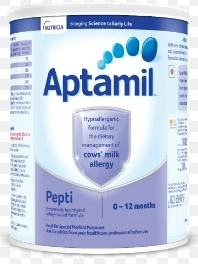
Aptamil Pepti Infant Formula 0 to 12 Months Tin 400gm
Brand: Nutricia International Private Limited
₹2000.00₹1960.00
View Details


Neocate LCP Infant Formula Powder 400GM
Brand: Nutricia International Private Limited
₹3300.00₹3234.00
View Details
Web Stories


Popular Lab Test






Live Doctor consultation
Live Doctor Chat

Fees ₹99
General Physician

Dr. Syed Mukhtar Mohiuddin
MBBS, MD , Fellowship in Diabetes Mellitus (UK)
- 7 Years
- English
Available at 00:00 to 07:00
Fees ₹99
General Physician
Fees ₹99
General Physician
Fees ₹99
General Physician
Fees ₹99
General Physician
Download Our App & Get Consultation from anywhere.