Q. How can I lower my BP in 5 minutes?
Doctor Answer is medically reviewed by SecondMedic medical review team.
Lowering blood pressure in just 5 minutes is challenging, as significant changes in blood pressure usually require consistent lifestyle modifications and sometimes medication. However, here are a few techniques that may help temporarily lower blood pressure:
1. Deep Breathing: Practice deep breathing exercises for a few minutes. Sit or lie down comfortably, close your eyes, and take slow, deep breaths. Inhale deeply through your nose, hold your breath for a few seconds, and then exhale slowly through your mouth. Deep breathing can help relax your body and temporarily lower blood pressure.
2. Relaxation Techniques: Engage in relaxation techniques such as progressive muscle relaxation or visualization. These techniques can help reduce stress and promote relaxation, which may lead to a temporary decrease in blood pressure.
3. Hydration: Drink a glass of water. Proper hydration can help maintain blood volume and support cardiovascular function, which may have a modest effect on lowering blood pressure.
4. Light Physical Activity: Engage in light physical activity such as walking or gentle stretching. Moving your body can help improve blood circulation and promote relaxation, which may contribute to a temporary reduction in blood pressure.
5. Avoid Caffeine and Stressors: If you're in a situation where you need to quickly lower your blood pressure, avoid caffeine and stressful stimuli. Caffeine can temporarily raise blood pressure, so avoiding it may prevent further increases.
It's important to note that these techniques may only provide temporary relief and are not a substitute for long-term management of hypertension. If you have persistently high blood pressure, it's essential to work with your healthcare provider to develop a comprehensive treatment plan that includes lifestyle modifications and, if necessary, medication. Additionally, sudden, severe changes in blood pressure can be a sign of a medical emergency, so seek immediate medical attention if you experience symptoms such as chest pain, severe headache, or difficulty breathing.

Q. Hello Doctor, from past 3 weeks I have too much dandruff problem and it cause hair loss will you suggest any best solution for this?
Doctor Answer is medically reviewed by SecondMedic medical review team.
Answered by Secondmedic ExpertDealing with excessive dandruff leading to hair loss can be frustrating, but there are effective ways to address this issue. Here's what you can do:
1. Switch to a Gentle Shampoo: Opt for shampoos specifically designed for dandruff, containing ingredients like ketoconazole, zinc pyrithione, coal tar, or selenium sulfide. Use these shampoos regularly to reduce dandruff buildup.
2. Scalp Massage: Gently massage your scalp while shampooing to help remove flakes and improve blood circulation, which can promote healthier hair growth.
3. Avoid Hot Water: Wash your hair with lukewarm water instead of hot water, as hot water can dry out your scalp and worsen dandruff.
4. Balanced Diet: Ensure you're eating a balanced diet rich in vitamins and minerals essential for healthy hair and scalp, such as omega-3 fatty acids, zinc, and B vitamins.
5. Manage Stress: Stress can exacerbate dandruff problems. Practice stress-relief techniques like meditation, yoga, or regular exercise to help manage stress levels.
6. Apple Cider Vinegar Rinse: Consider using diluted apple cider vinegar as a rinse after shampooing. It can help restore the scalp's pH balance and reduce dandruff.
7. Consult a Dermatologist: If the issue persists despite trying home remedies or over-the-counter solutions, seek advice from a dermatologist. They can provide a personalized treatment plan tailored to your specific scalp condition.
Remember, consistency is key when dealing with dandruff. Give these remedies some time to work, as immediate results might not always occur. It's essential to find what works best for your scalp, so don't get discouraged if you don't see immediate improvements.
Taking care of your scalp health not only addresses dandruff but also aids in reducing hair loss associated with this issue. Feel free to incorporate these tips into your routine and observe how your scalp responds. If the problem persists or worsens, seeking professional guidance is always recommended.
Related Questions
-
What are the risk factors for heart-related chest pain, and how can I reduce these risks? | Secondmedic
-
What are the common underlying causes of cyanosis in individuals? | Secondmedic
-
Does having a heart attack or a stroke hurt? | Secondmedic
-
Cardiology Heart disease What is the major cause of congenital h
-
What precautions should be taken by individuals with heart murmurs during physical activities? | Secondmedic
-
What can an ECG reveal about heart conditions? | Secondmedic
Related Posts


Aptamil Pepti Infant Formula 0 to 12 Months Tin 400gm
Brand: Nutricia International Private Limited
₹2000.00₹1960.00
View Details
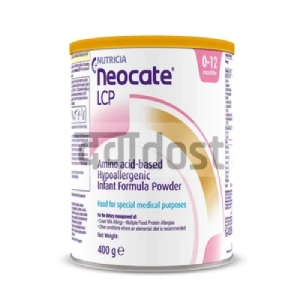
Neocate LCP Infant Formula Powder 400GM
Brand: Nutricia International Private Limited