Heart disease is one of India’s leading causes of death, contributing to a rapidly rising burden of cardiovascular disorders. According to ICMR and Lancet studies, Indians experience heart attacks nearly a decade earlier than global averages. Sedentary lifestyles, high stress, poor dietary patterns, rising diabetes rates and limited early testing contribute significantly to this trend.
Heart health screening tests play a crucial role in identifying risk early so people can begin preventive care before symptoms appear. SecondMedic provides expert-backed screening support, report interpretation and personalised heart health planning.
Why Heart Screening Matters in India
1. High prevalence of silent heart disease
Many individuals experience no symptoms until a major event occurs. Risk markers such as cholesterol imbalance, inflammation or high blood pressure often go unnoticed without testing.
2. Increasing lifestyle risk factors
ICMR and NFHS-5 data show:
-
28% of Indian adults have hypertension
-
25% have high cholesterol
-
Over 100 million Indians have diabetes
-
Over 74% are physically inactive
These factors significantly increase cardiac risk.
3. Younger age of onset
Indians are developing heart disease between ages 35-55, much earlier than Western populations.
4. Early detection saves lives
WHO and NITI Aayog emphasise that regular screenings reduce heart attack risk by enabling timely lifestyle and medical interventions.
Essential Heart Health Screening Tests
1. Blood Pressure Test
High BP damages arteries silently. Regular checks help detect hypertension early.
2. Lipid Profile
Measures:
-
LDL (bad cholesterol)
-
HDL (good cholesterol)
-
Total cholesterol
-
Triglycerides
Imbalance indicates arterial plaque risk.
3. Fasting Blood Sugar / HbA1c
Diabetes significantly increases heart disease risk.
HbA1c shows long-term sugar control.
4. ECG (Electrocardiogram)
Identifies rhythm abnormalities, previous silent attacks and electrical disturbances.
5. Echocardiogram (ECHO)
Ultrasound imaging that evaluates:
-
Valve function
-
Heart pumping strength
-
Structural abnormalities
6. TMT (Treadmill Test)
Assesses how the heart responds to physical stress. Detects blockages indirectly.
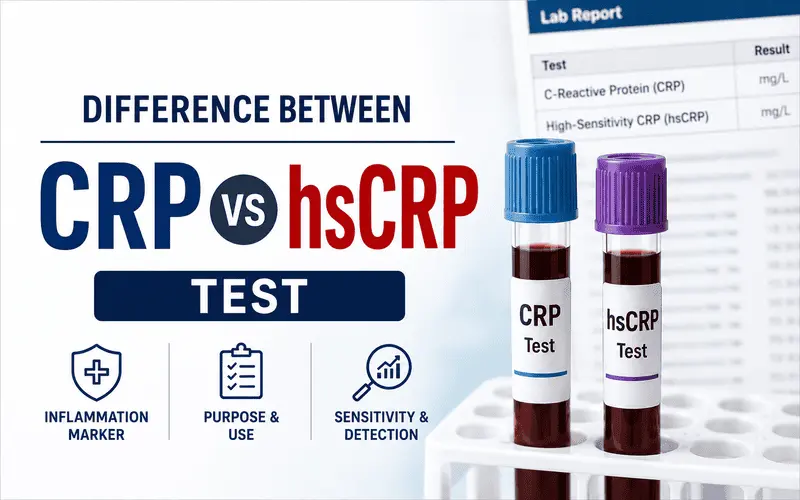
7. hs-CRP (High-Sensitivity C-Reactive Protein)
Indicates inflammation-a major risk factor for heart attack.
8. Coronary Calcium Score (CT Scan)
For individuals with family history or high risk; detects early artery calcification.
Who Should Get Heart Screenings?
Age-based
-
Adults 30+ (baseline screening)
-
Adults 40+ (annual screening)
-
Earlier for those with risk factors
Condition-based
-
Diabetes
-
High blood pressure
-
Thyroid disease
-
Obesity
-
PCOS
Family history
Strong family history of heart disease requires earlier and more frequent testing.
How Heart Screening Helps Prevent Complications
1. Detects risk early
Identifies abnormalities before they become dangerous.
2. Helps tailor lifestyle changes
Doctors personalise:
-
diet
-
physical activity
-
weight management
-
stress reduction
3. Improves medication planning
Correct treatment reduces long-term damage.
4. Prevents heart attacks and strokes
Studies show early screening reduces risk by up to 40%.
How SecondMedic Supports Heart Health
• Interprets screening results clearly
Patients receive easy-to-understand explanations.
• AI Health Guide patterns
AI identifies:
-
unusual trends
-
inflammatory risk
-
cholesterol patterns
-
early signs of metabolic syndrome
• Personalised heart protection plan
Includes:
-
nutrition guidance
-
exercise plan
-
stress management
-
sleep hygiene
• Consultation with cardiologists
For advanced cases or concerning results.
• Ongoing monitoring
Helps track improvement over time.
Conclusion
Heart health screening tests empower individuals across India to take control of their wellbeing. As heart disease continues to rise, early detection remains the most powerful tool in preventing complications. SecondMedic’s combination of expert evaluation and AI-guided insights ensures that every patient receives personalised, accurate and actionable heart care.
References
• ICMR - Cardiovascular Disease Burden in India
• NFHS-5 - India Blood Pressure & Diabetes Data
• NITI Aayog - Preventive Health & Screening Framework
• WHO - Heart Disease Prevention Guidelines
• Lancet - Cardiovascular Risk Factors in South Asians
• Statista India - Heart Health & Lifestyle Trends
• EY-FICCI - Preventive Health & Screening Adoption Report