Every Navratri, one question quietly finds its way into thousands of Indian kitchens:
Is corn allowed during fasting?
For some families, sweet corn is a completely acceptable vrat food. Others avoid it because it is seen as grain-like or too heavy for fasting rituals. The confusion usually comes from the fact that Navratri food practices differ widely across regions, traditions, and households.
From a health perspective, however, sweet corn is not inherently unhealthy during fasting. In fact, when prepared simply and eaten in moderation, it can offer something many modern vrat diets are missing: fibre, satiety, and digestive balance.
That matters more than people realise because many Navratri meals today are built around fried potatoes, sabudana, packaged fasting snacks, and multiple cups of tea. By the fourth or fifth day of fasting, people often begin experiencing acidity, bloating, constipation, headaches, or energy crashes, not because they are eating too little, but because the nutritional balance quietly shifts.
In clinical practice, doctors frequently notice that fasting-related digestive discomfort has increased over the years, especially in urban lifestyles. Long working hours, dehydration, late-night vrat meals, and reliance on processed fasting foods have changed the way many people fast today.
A large number of patients who complain of “fasting weakness” are actually dealing with:
- poor hydration
- irregular meal timing
- excessive fried food
- low fibre intake
- unstable blood sugar fluctuations
This is where foods like banana and sweet corn become useful. They provide steady energy without making meals excessively oily or difficult to digest.
“People often assume fasting automatically improves digestion, but we frequently see the opposite when meals become heavily fried or starch-dominant,” Clinical Nutrition Specialist at SecondMedic. “Simple additions like fruits, fresh vegetables, and moderate portions of sweet corn can help maintain better satiety and digestive comfort during Navratri.”
Is Sweet Corn a Healthy Choice During Navratri?
Nutritionally, sweet corn offers a combination of carbohydrates, fibre, antioxidants, and small amounts of plant-based protein. Compared to heavily fried fasting snacks, boiled or roasted corn tends to feel lighter while still keeping hunger under control for longer periods.
One reason many people struggle during fasting is that meals become excessively refined. Sabudana, potatoes, fried peanuts, and sweets provide quick energy but often lack enough fibre to support digestive comfort throughout the day.
Sweet corn may help because it:
- provides sustained energy
- supports fullness
- contains fibre
- reduces excessive snacking
- adds variety to repetitive fasting meals
A 34-year-old finance professional from Pune consulted SecondMedic after developing severe bloating and acidity during Navratri every year. Her meals mainly consisted of fried sabudana snacks, tea, and potato-based vrat foods. After introducing lighter meals containing fruit, curd, and small portions of boiled sweet corn, her digestive symptoms reduced significantly during fasting hours.
The improvement did not come from one “superfood.” It came from creating more balance within the fasting pattern itself.
Why Banana and Corn Work Well Together in a Vrat Diet
Banana and corn support the body differently during fasting.
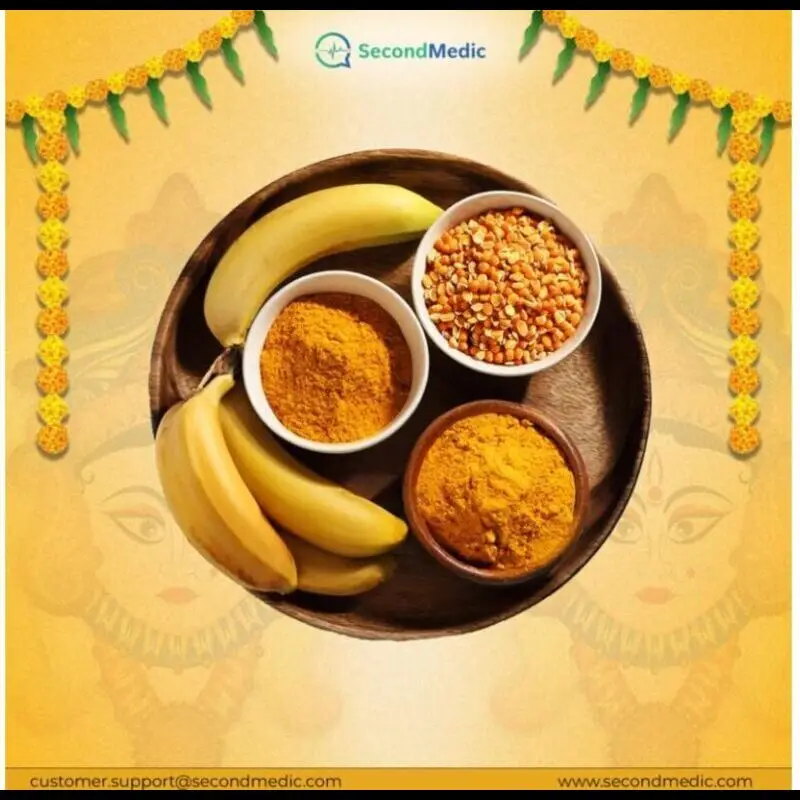
Bananas are easy to digest and provide quick energy along with potassium, which may help during long fasting hours or dehydration. Corn, on the other hand, adds more fibre and helps meals feel more filling.
Together, they help reduce some of the most common fasting problems:
- sudden hunger spikes
- overeating at night
- low energy
- excessive snacking
- digestive sluggishness
This becomes especially relevant for people who continue full office schedules while fasting.
Many professionals unintentionally go several hours without proper hydration or balanced meals and then consume very heavy dinners late at night. That pattern alone can worsen acidity more than any individual ingredient.
The Bigger Problem Is Usually the Preparation Style
The debate around whether corn is “allowed” often overlooks a more important issue: how the food is prepared.
Plain roasted or boiled sweet corn is very different from:
- butter-loaded popcorn
- fried corn mixtures
- processed corn snacks
- heavily salted packaged foods
The same principle applies to most fasting foods.
A lightly prepared homemade vrat meal behaves very differently in the body compared to restaurant-style fasting thalis overloaded with oil, starch, and salt.
This is why some people tolerate corn perfectly well during fasting, while others experience bloating or heaviness. The issue is often not the ingredient itself, but:
- portion size
- oil content
- meal timing
- overall digestion
- hydration status
Can Corn Cause Acidity During Fasting?
For some individuals, yes, especially when digestion is already sensitive.
However, corn alone is rarely the primary reason people develop acidity during Navratri. Doctors more commonly see acidity triggered by:
- long gaps between meals
- excessive tea or coffee
- fried fasting snacks
- overeating after sunset
- poor sleep
- dehydration
Patients with gastritis or chronic acid reflux may tolerate smaller portions of simple, lightly seasoned foods better than spicy or fried preparations.
This is why fasting diets should focus less on rigid food fear and more on digestive balance overall.
What About Popcorn During Fast?
Many people assume popcorn is automatically healthier because it is made from corn. In reality, preparation matters again.
Plain homemade popcorn with minimal oil is nutritionally very different from heavily buttered packaged popcorn containing excess sodium and flavouring additives.
People with sensitive digestion may still tolerate simple roasted makhana or boiled corn better than processed snack foods marketed as “fasting friendly.”
Common Mistakes People Make During Navratri Fasting
Doctors frequently observe a few repeating patterns during fasting periods:
- replacing meals with tea
- depending heavily on fried snacks
- eating very large dinners
- drinking too little water
- relying entirely on potatoes and sabudana
- confusing “fasting food” with “healthy food”
These habits often contribute to:
- bloating
- constipation
- fatigue
- headaches
- acidity
- sluggish digestion
Adding fresh foods with fibre and hydration can make fasting feel considerably lighter on the body.
Myths vs Facts About Corn During Fast
| Myth | Fact |
|---|---|
| Corn is unhealthy during fasting. | Simple homemade corn preparations can fit well into balanced fasting meals. |
| Fried vrat foods provide better energy. | Excess fried food often worsens heaviness and digestive discomfort. |
| Sweet corn always causes weight gain. | Portion size and preparation matter far more than the ingredient alone. |
| Fasting means eating as little as possible. | Poor nutritional balance often creates more digestive problems during fasting. |
| Packaged vrat snacks are healthier than regular snacks. | Many contain high amounts of oil, salt, and refined starches. |
When Should You Be More Careful?
Some individuals may need personalised dietary guidance during fasting:
- diabetic patients
- people with chronic acidity
- IBS patients
- individuals prone to bloating
- elderly individuals
- patients recovering from gastrointestinal illness
Aggressive fasting without balanced nutrition can sometimes worsen existing health conditions.
Colnlusion
SecondMedic helps patients consult verified nutritionists, gastroenterologists, and internal medicine specialists online for acidity, digestive discomfort, fasting-related dietary concerns, diabetes management, and nutritional guidance. Patients experiencing bloating, weakness, constipation, or reflux during fasting can receive personalised advice based on their health history and dietary patterns.
Sources
- Indian Council of Medical Research (ICMR), Dietary Guidelines for Indians, 2024
- National Institute of Nutrition (NIN), Healthy Fasting and Balanced Diet Guidance
- Harvard T.H. Chan School of Public Health, Corn and Whole Grain Nutrition
- Mayo Clinic, Healthy Snacking and Digestive Health