Q. Why do mood swings and irritability clearly show the negative effects of working late nights on mental health?
Doctor Answer is medically reviewed by SecondMedic medical review team.
Why do mood swings and irritability clearly show the negative effects of working late nights on mental health?
-
Disrupted Sleep Cycle
-
Working late nights disturbs the natural sleep-wake cycle.
-
Lack of quality sleep leads to mood fluctuations and irritability.
-
-
Increased Stress Hormones
-
Staying awake late increases cortisol levels (stress hormone).
-
High cortisol makes people more reactive, impatient, and moody.
-
-
Reduced Emotional Control
-
The brain needs rest to regulate emotions.
-
Without proper rest, emotional stability weakens, leading to irritability.
-
-
Impact on Brain Chemistry
-
Late-night work reduces serotonin and dopamine levels.
-
These chemicals are responsible for happiness and calmness.
-
Their imbalance causes mood swings and anxiety.
-
-
Fatigue and Low Energy
-
Constant tiredness from late-night work lowers patience.
-
Small issues may trigger anger or frustration.
-
-
Isolation and Social Disconnect
-
Late-night workers miss out on family and social interactions.
-
This isolation often fuels loneliness, sadness, and irritability.
-
-
Poor Lifestyle Choices
-
Night workers often depend on caffeine, junk food, or smoking.
-
These habits further increase irritability and unstable moods.
-
-
Higher Risk of Anxiety & Depression
-
Studies show night shifts raise the chances of long-term mental health problems.
-
Mood swings and irritability are the early warning signs.
-
Conclusion
Mood swings and irritability are not random – they are clear signals that your body and mind are struggling. They clearly show the negative effects of working late nights on mental health. If ignored, these signs may lead to long-term stress, anxiety, and burnout. Take steps today to balance your work and rest for a healthier mind.

Q. Hello Doctor, from past 3 weeks I have too much dandruff problem and it cause hair loss will you suggest any best solution for this?
Doctor Answer is medically reviewed by SecondMedic medical review team.
Answered by Secondmedic ExpertDealing with excessive dandruff leading to hair loss can be frustrating, but there are effective ways to address this issue. Here's what you can do:
1. Switch to a Gentle Shampoo: Opt for shampoos specifically designed for dandruff, containing ingredients like ketoconazole, zinc pyrithione, coal tar, or selenium sulfide. Use these shampoos regularly to reduce dandruff buildup.
2. Scalp Massage: Gently massage your scalp while shampooing to help remove flakes and improve blood circulation, which can promote healthier hair growth.
3. Avoid Hot Water: Wash your hair with lukewarm water instead of hot water, as hot water can dry out your scalp and worsen dandruff.
4. Balanced Diet: Ensure you're eating a balanced diet rich in vitamins and minerals essential for healthy hair and scalp, such as omega-3 fatty acids, zinc, and B vitamins.
5. Manage Stress: Stress can exacerbate dandruff problems. Practice stress-relief techniques like meditation, yoga, or regular exercise to help manage stress levels.
6. Apple Cider Vinegar Rinse: Consider using diluted apple cider vinegar as a rinse after shampooing. It can help restore the scalp's pH balance and reduce dandruff.
7. Consult a Dermatologist: If the issue persists despite trying home remedies or over-the-counter solutions, seek advice from a dermatologist. They can provide a personalized treatment plan tailored to your specific scalp condition.
Remember, consistency is key when dealing with dandruff. Give these remedies some time to work, as immediate results might not always occur. It's essential to find what works best for your scalp, so don't get discouraged if you don't see immediate improvements.
Taking care of your scalp health not only addresses dandruff but also aids in reducing hair loss associated with this issue. Feel free to incorporate these tips into your routine and observe how your scalp responds. If the problem persists or worsens, seeking professional guidance is always recommended.
Related Questions
Related Posts
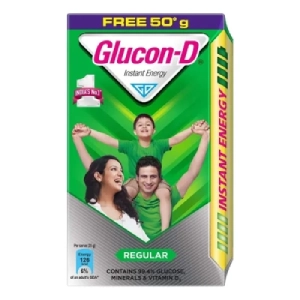



Aptamil Pepti Infant Formula 0 to 12 Months Tin 400gm
Brand: Nutricia International Private Limited
₹2000.00₹1960.00
View Details
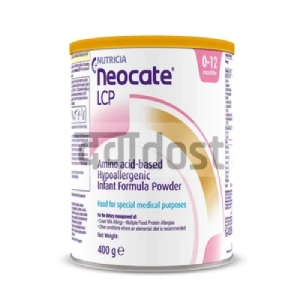
Neocate LCP Infant Formula Powder 400GM
Brand: Nutricia International Private Limited